Blog

All HIBBING Chevrolet Dealer HIBBING Chevrolet Service hibbing gmc dealer North Country Chevrolet GMC Service hibbing gmc service Service 2026 Chevrolet Technology north country gmc sierra 1500 2026 Silverado 1500 Best Chevrolet Models check engine light Chevrolet Trucks Chevrolet vehicles in Hibbing, MN sierra 2500 sierra 3500 tire care 2026 Traverse 2027 Chevrolet 2027 Traverse A/C and Heat Alternator Car Oil Type FAQ Chevrolet Key FOB Chevrolet Warranty Coolant Differential engine belts engine overheating HIBBING Used Cars North Country Chevrolet serpentine belt Spark Plugs Synthetic Oil Guide for Drivers in Hibbing, MN timing belt Towing Trims
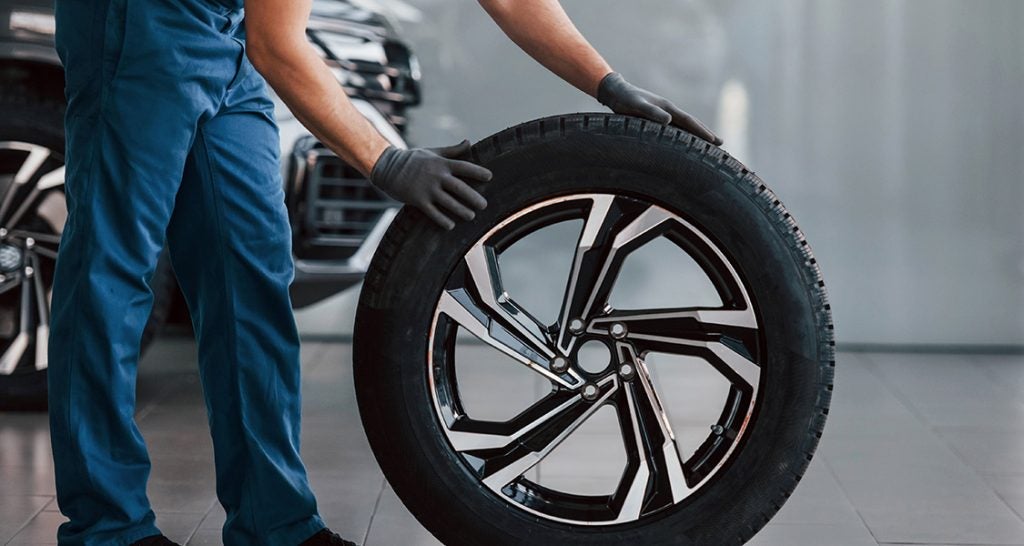
A man holding a wheel that has been removed for tire rotation

Tire Rotation FAQ: Everything You Need to Know

Drivers in Hibbing, MN often wonder if tire rotation is truly necessary. This simple service plays a major role in extending tire life, maintaining handling stability, and supporting safe driving. Tire rotations help ensure that all four tires wear evenly, which leads to more predictable steering response and better overall performance on the road. This FAQ explains why tire rotations matter, how often they should be performed, and how they benefit your vehicle throughout Minnesota’s challenging driving conditions. Why Should you Rotate Your Tires? Tires wear at different rates due to vehicle weight distribution, drivetrain layout, and the demands placed on specific wheels. Front tires typically experience higher wear because they manage steering input and often carry more load due to engine placement. As a result, tread depth can diminish faster in front positions compared to the rear. Rotating the tires at regular intervals evens out the wear patterns, helping each tire maintain better traction and road contact. This is especially important in Hibbing, MN, where winter weather increases the importance of consistent traction and stable handling. How Often Should I Rotate My Tires? Most industry guidelines recommend tire rotations every 5,000 to 7,500 miles. This interval aligns with general ASE recommendations and the service schedules of many auto manufacturers. The exact interval can vary slightly based on the vehicle’s configuration, tire type, and driving habits. Drivers who frequently encounter gravel roads, uneven terrain, or harsh winter conditions around Hibbing may benefit from more frequent rotations. Checking your owner’s manual provides the most accurate interval for your specific vehicle, and the service team at North Country Chevrolet GMC can offer guidance tailored to your driving environment. What Are the Benefits of Tire Rotation? Regular tire rotations provide multiple long-term benefits and support your vehicle’s overall performance. Evening out tread wear helps extend the usable life of the tires and can improve both ride quality and braking consistency. Rotations also support better fuel efficiency by helping each tire maintain smoother, more uniform rolling resistance. Another advantage of scheduled rotations is early detection of alignment or suspension issues. Uneven wear patterns can signal underlying mechanical concerns, and addressing them early prevents more extensive repairs down the road. This proactive approach is especially valuable in regions like Hibbing, MN, where weather and road conditions accelerate wear. Schedule Your Tire Rotation in Hibbing, MN Tire rotations are essential for preserving safety, improving performance, and maximizing tire longevity. Drivers in Hibbing, MN can rely on North Country Chevrolet GMC for professional tire rotation service and expert maintenance support. Keep your tires performing at their best— schedule your tire rotation today and enjoy greater confidence on every drive.

First time buyers signing paperwork for their new vehicle

First-Time Buyers Guide: Essential Tips

Purchasing a vehicle for the first time is an exciting and significant milestone. Whether you're buying a new or pre-owned vehicle, understanding the process is crucial to making a smart, informed decision. At North Country Chevrolet GMC in Hibbing, MN, we are dedicated to helping first-time buyers navigate the car-buying experience with confidence. In this guide, we’ll walk you through the essential steps to take, tips for selecting the right vehicle, and how to make the process smooth and straightforward. Step 1: Determine Your Budget and Financing Options Before you even step foot on a dealership lot, it’s important to determine your budget. Understanding what you can afford will not only help you narrow down your options but also save you time in the long run. Calculate your monthly budget: Take a look at your monthly income and expenses to determine how much you can comfortably allocate toward a car payment. A general rule of thumb is that your car payment should not exceed 15% of your monthly take-home pay. Consider additional costs: Don’t forget to factor in other costs like insurance, fuel, maintenance, and registration fees. These costs can add up, so be sure to account for them when setting your budget. Explore financing options: Whether you’re planning to buy a new or pre-owned vehicle, most first-time buyers will need financing. At North Country Chevrolet GMC, we offer a variety of financing options tailored to fit your needs. You can also check your credit score in advance to get an idea of the loan terms you might be eligible for. Step 2: Research and Select the Right Vehicle Choosing the right vehicle is one of the most important aspects of the car-buying process. As a first-time buyer, you’ll want to consider factors such as your lifestyle, driving habits, and long-term needs. Consider your needs: Think about how you will primarily use the vehicle. Are you commuting to work daily? Do you need a family-friendly vehicle? Or are you looking for something more sporty? Defining your needs will help you decide between different types of vehicles, such as sedans, SUVs, or trucks. Evaluate vehicle reliability and safety: Look into the reliability and safety ratings of the vehicles you're interested in. Brands like Chevrolet and GMC are known for their dependability and safety features. Both offer a range of vehicles equipped with advanced driver-assistance systems (ADAS), including lane-keeping assist, automatic emergency braking, and rearview cameras. Fuel efficiency: If you plan to do a lot of driving, fuel efficiency is another key factor to consider. With gas prices fluctuating, a vehicle with great fuel economy can help you save money over time. At North Country Chevrolet GMC, we offer a wide range of Chevy and GMC models, each tailored to meet different needs. Whether you’re looking for the versatile Chevy Traverse or the hardworking GMC Sierra 1500, we have options that will suit your preferences and budget. Step 3: New or Pre-Owned for First-Time Buyers As first-time buyers, you may be wondering whether to buy new or pre-owned. Both options have their advantages, so it's essential to weigh them carefully based on your needs and budget. New Vehicles Advantages: Latest Features and Technology: New cars come equipped with the most advanced technology and features, such as up-to-date infotainment systems, enhanced safety features, and more efficient engines. Full Warranty: New vehicles typically come with a manufacturer warranty that covers repairs for several years. Customization: When buying new, you can often select your preferred color, trim, and features. Disadvantages: Higher Price: New cars are more expensive than used vehicles, and they depreciate faster. You may find that the vehicle loses value quickly once you drive it off the lot. Pre-Owned Vehicles Advantages: Lower Price: Pre-owned vehicles cost less than new cars, making them an excellent option for first-time buyers on a budget. Slower Depreciation: Since the car has already depreciated, it will retain its value better than a new car. Certified Pre-Owned (CPO) Options: At North Country Chevrolet GMC, we offer a variety of Certified Pre-Owned (CPO) vehicles, which come with extended warranties and have passed thorough inspections to ensure quality. Disadvantages: Potential for Hidden Issues: While many pre-owned cars are in excellent condition, it’s essential to research the vehicle’s history, such as whether it has been in an accident or has had significant repairs. Step 4: Take a Test Drive Once you’ve narrowed down your options, the next step is to take a test drive. This is a crucial part of the decision-making process, as it allows you to get a feel for the vehicle’s handling, comfort, and features. Inspect the car’s condition: Check the interior and exterior for signs of wear and tear. Look for any damage to the seats, upholstery, or paint. Test the ride and handling: Pay attention to how the vehicle drives. Does it feel comfortable? Is the ride smooth? How responsive is the steering? Take note of these factors to ensure the vehicle meets your expectations. Try different conditions: Test the vehicle under various conditions, such as city driving, highways, and even parking lots. This will give you a full understanding of how the vehicle performs. At North Country Chevrolet GMC, our friendly sales team will guide you through the test drive process and answer any questions you may have. Step 5: Understand the Purchase and Financing Terms Before making your final decision, it’s essential to understand the purchase and financing terms. Be sure to ask the dealership about: Loan terms and interest rates: What is the length of the loan, and what interest rate are you being offered? If you have a co-signer with better credit, you may qualify for better financing terms. Monthly payments: Ensure that the monthly payment fits within your budget. Don’t forget to account for other car-related expenses, such as insurance and maintenance. Additional fees: Ask about any hidden fees, such as documentation fees, taxes, or dealer add-ons that might affect the final price of the vehicle. At North Country Chevrolet GMC, we work with you to ensure you understand the complete financing process and help you make a well-informed decision. Step 6: Finalize the Purchase and Enjoy Being a First-Time Buyer Once all terms have been agreed upon, it’s time to finalize the purchase. Our team at North Country Chevrolet GMC will handle all the paperwork, ensuring a smooth and hassle-free transaction. From there, you can enjoy your new vehicle with peace of mind knowing that you’ve made a smart, well-researched decision. Whether you're taking your first drive in a new Chevy Malibu or a pre-owned GMC Acadia, we’re here to ensure the process is easy, efficient, and enjoyable.

Two cars engaged in a roadway collision - GAP Insurance

GAP Insurance When Buying Your Next Vehicle

When purchasing a new vehicle, whether it's a Chevy Silverado, GMC Sierra, or any other model, it's important to protect your investment. One of the best ways to do this is by adding Guaranteed Asset Protection (GAP) insurance to your coverage. GAP insurance is often overlooked, but it offers significant benefits, especially if you have a loan or lease on your vehicle. At North Country Chevrolet GMC in Hibbing, MN, we believe in educating our customers about how GAP insurance can help safeguard your financial future. What is GAP Insurance? GAP insurance is a type of coverage designed to protect you in the event that your vehicle is totaled or stolen. In many cases, the insurance payout for a totaled vehicle will not cover the remaining balance on your loan or lease. This is because cars depreciate quickly, and the payout from your standard auto insurance policy is based on the actual cash value (ACV) of your vehicle, which is often much lower than the amount you owe on your loan. For example, if you owe $30,000 on your loan but your vehicle is only worth $25,000 at the time of an accident, you would be responsible for the remaining $5,000 out-of-pocket. GAP insurance bridges that gap by covering the difference between your car’s ACV and the outstanding balance on your loan or lease. Why Should You Buy GAP Insurance? While GAP insurance may seem like an added expense, the peace of mind it provides is invaluable, especially in certain situations. Here are a few reasons why you should strongly consider purchasing GAP insurance when buying a vehicle from North Country Chevrolet GMC: 1. Protection Against Depreciation New cars can lose up to 20% of their value within the first year alone, and up to 60% within the first five years. If your car is totaled or stolen during this period, your standard insurance may not fully cover the loan balance. GAP insurance ensures that you're not left paying for a car you no longer own. 2. Safeguard Your Investment A vehicle is a significant investment, and it’s important to protect that investment. Without GAP insurance, you could end up paying off a car loan for a car that no longer exists, leaving you with nothing but debt. GAP insurance helps you avoid this scenario, so you don’t lose your hard-earned money. 3. Protect Yourself If You Have a Small Down Payment If you put down a smaller down payment when purchasing your vehicle, you may be financing a larger portion of the car’s value. In this case, the risk of owing more than the vehicle is worth increases, making GAP even more important. If the car is totaled early in the loan term, you might owe more than your insurance will cover, and GAP insurance can fill that gap. 4. Peace of Mind Having GAP insurance gives you peace of mind knowing that if the worst happens, you won’t be left struggling to pay off a loan for a car you can no longer use. This added protection can relieve financial stress, allowing you to focus on other aspects of your life without worrying about the financial implications of a totaled vehicle. Who Should Buy GAP Insurance? GAP isn’t required for every driver, but there are certain situations where it is highly recommended. Here are some of the scenarios where purchasing GAP would be beneficial: If You Have a Loan or Lease: If you’re financing or leasing your vehicle, you are at risk of owing more than the vehicle is worth, especially in the first few years of the loan. GAP ensures that you won’t be left with a significant financial burden if something happens to your car. If You Have a Small Down Payment: As mentioned earlier, a smaller down payment increases the chances of having negative equity in your vehicle, which makes GAP an important option. If You Drive a New or High-Depreciating Vehicle: New vehicles or vehicles that lose value quickly (like trucks and SUVs) are more likely to result in a situation where you owe more than your car is worth. GAP is a smart choice in these cases. If You Plan to Keep the Car for a Few Years: If you plan to keep your car for a long time, it’s a good idea to buy GAP when you first purchase the vehicle. If something happens during the early years of your ownership, you’ll be protected. GAP vs. Comprehensive Coverage It’s important to note that GAP insurance is not a substitute for comprehensive or collision insurance. Comprehensive coverage protects against damage caused by things like theft, fire, or vandalism, while collision coverage covers damage caused by an accident. However, neither of these policies will cover the gap between your loan balance and the car’s value in the event of a total loss. GAP insurance is a supplemental policy that provides coverage for this gap, filling in the space left by your other insurance policies. So, while you still need comprehensive and collision coverage, GAP adds an extra layer of protection that these policies don’t provide. When to Buy GAP Insurance Ideally, you should purchase GAP insurance when you first buy your vehicle, as this will ensure that you are fully covered from the start. At North Country Chevrolet GMC, we offer GAP as part of our financing options, so you can include it when you purchase your new or pre-owned vehicle. If you’re leasing a vehicle, GAP is often included in the terms of the lease, but it’s always worth checking. It’s also possible to purchase GAP insurance later on, but keep in mind that the sooner you buy it, the sooner you’ll have protection. If you’re already several years into your loan and your vehicle has depreciated significantly, you may be at greater risk of needing GAP, especially if you’re still financing a significant portion of the vehicle. How to Purchase GAP At North Country Chevrolet GMC, purchasing GAP insurance is a simple process. Our finance team can help you include GAP in your vehicle purchase or lease agreement, and we’ll walk you through the process to ensure you understand your coverage. We work with trusted insurance providers to offer GAP insurance that suits your needs and gives you peace of mind while driving your new vehicle. While it’s easy to think that your standard insurance will be enough to protect you in the event of an accident or theft, the reality is that most standard policies do not cover the full amount of your loan or lease. GAP provides essential protection that helps ensure you’re not left with a financial burden if something happens to your vehicle. By adding GAP to your coverage, you can drive with confidence, knowing that your investment is well protected. If you're in Hibbing, MN, and you're considering purchasing a vehicle, don’t overlook the importance of GAP insurance. Visit North Country Chevrolet GMC today to learn more about how this affordable coverage can protect your financial future.

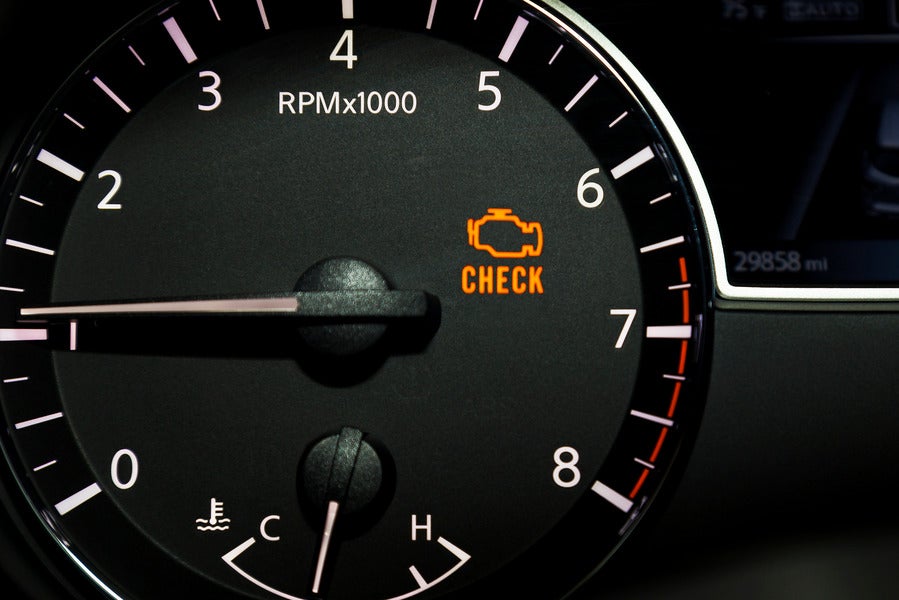
A close up of a vehicle dashboard with the check engine light on

Check Engine Light On? A Guide On What To Do

When the check engine light illuminates on your Chevrolet or GMC vehicle, it’s a sign that something may be wrong under the hood. While it’s easy to feel overwhelmed or frustrated when the light appears, it's important to understand that this light is not always an immediate cause for panic. Instead, it’s a diagnostic tool designed to alert you to potential issues. This article will guide you through the steps you should take when the check engine light comes on and help you determine what to do next. Understanding the Check Engine Light The check engine light (CEL), also known as the malfunction indicator light (MIL), is part of your vehicle’s onboard diagnostics (OBD) system. When something is wrong with the engine or emission system, the OBD system triggers the CEL to notify the driver. The light could indicate a minor issue, like a loose gas cap, or something more serious, like a malfunction in the engine or exhaust system. There are two primary types of check engine light warnings: Solid Yellow or Amber CEL: This is a general warning that indicates an issue with the engine or emission system. In most cases, this means that your vehicle can still be driven, but it should be diagnosed as soon as possible. Flashing CEL: A flashing light is a more serious warning that indicates a significant problem, such as a misfire or a critical engine issue. If the light is flashing, you should pull over and stop driving as soon as it’s safe, as continuing to drive may cause further damage. Immediate Steps to Take When the Check Engine Light Comes On 1. Check for Obvious Issues Before you do anything else, it’s a good idea to check for any simple issues that may be triggering the light. Some common problems that can cause the CEL to come on include: Loose or Damaged Gas Cap: One of the most common causes of a CEL is a loose or damaged gas cap. This can cause a drop in fuel pressure, triggering the light. Make sure the gas cap is securely tightened and properly sealed. Low Oil Level or Leaks: Insufficient oil levels or oil leaks can also trigger the CEL. Make sure to check the oil level, and if needed, top it off. If there’s evidence of leaks, it’s best to schedule a service appointment. Underinflated Tires: While not directly related to the engine, underinflated tires can cause stress on the engine, affecting performance and fuel efficiency. Always check the tire pressure if you notice the light appears. 2. Look for Additional Warning Lights If the CEL comes on alongside other warning lights, such as the oil pressure light, temperature gauge, or brake system warning, it’s a clear signal that your vehicle needs attention. Multiple warning lights can indicate a more serious problem with the engine or another critical system, requiring immediate professional diagnosis. 3. Avoid Panic, But Don’t Ignore the Check Engine Light In many cases, a solid yellow check engine light doesn’t require immediate action but should not be ignored for long. Driving with a check engine light on for too long can cause further damage to your vehicle, possibly leading to more expensive repairs down the line. Even if the vehicle seems to be running fine, it's always a good idea to schedule a diagnostic check to ensure everything is functioning properly. If the check engine light is flashing, however, this indicates a more urgent issue, and driving should be avoided until the problem is addressed. A flashing check engine light often points to a problem that can damage the engine, such as a misfire. How to Diagnose the Problem 1. Use an OBD-II Scanner To pinpoint the cause of the check engine light, you can use an OBD-II scanner. These scanners connect to your vehicle’s OBD-II port, located beneath the dashboard, and provide a trouble code that indicates where the issue may lie. Many auto parts stores offer free OBD-II scans, or you can purchase your own scanner for personal use. While the scanner will give you an error code, it’s important to understand that this code is a starting point, not a full diagnosis. You’ll need a trained technician to analyze the code and assess the underlying problem in detail. 2. Schedule a Service Appointment At North Country Chevrolet GMC, we offer professional diagnostic services for all Chevrolet and GMC vehicles. Our experienced technicians can run a complete diagnostic test to identify the issue triggering the check engine light. We will then provide you with a detailed explanation of the problem and recommend the best course of action for repairs. Don’t hesitate to bring your vehicle to our service center in Hibbing, MN, for a thorough inspection. We’ll work quickly to address the issue and ensure that your vehicle is running smoothly. Common Causes of the Check Engine Light 1. Oxygen Sensor Failure The oxygen sensor is responsible for measuring the level of oxygen in your exhaust gases. It helps your engine run efficiently and reduces harmful emissions. A faulty oxygen sensor can lead to poor fuel economy and higher emissions, and it will trigger the check engine light. Replacing a malfunctioning oxygen sensor can help restore proper engine function. 2. Catalytic Converter Issues The catalytic converter helps reduce exhaust emissions and is essential for maintaining your vehicle's environmental performance. If the catalytic converter is failing, your vehicle may experience poor acceleration, increased fuel consumption, and rough idling. This issue will trigger the check engine light and should be addressed promptly to prevent further damage. 3. Mass Airflow Sensor Problems The mass airflow (MAF) sensor measures the amount of air entering the engine and helps the vehicle’s computer adjust the fuel-to-air ratio for optimal performance. A malfunctioning MAF sensor can lead to engine performance issues, such as poor acceleration, stalling, or rough idle. If the sensor is faulty, it will cause the check engine light to come on. 4. Ignition Coil Failure The ignition coil is responsible for providing the spark that ignites the air/fuel mixture in the engine. If one of the ignition coils fails, the engine may misfire, causing the CEL to illuminate. Misfires can lead to poor fuel efficiency, engine damage, and increased emissions. Ignition coil replacement is a common fix for this issue. What to Do After the Check Engine Light Is Fixed Once you’ve had your Chevrolet or GMC vehicle repaired and the check engine light turned off, it’s important to monitor the vehicle for any recurring problems. If the light comes back on shortly after repairs, it may indicate an unresolved issue or a new problem that needs to be addressed. At North Country Chevrolet GMC, we offer thorough inspections and repair services to ensure that your check engine light doesn’t come on again after fixing the issue. Our experienced technicians will conduct a detailed diagnostic check to ensure that all systems are operating as they should.

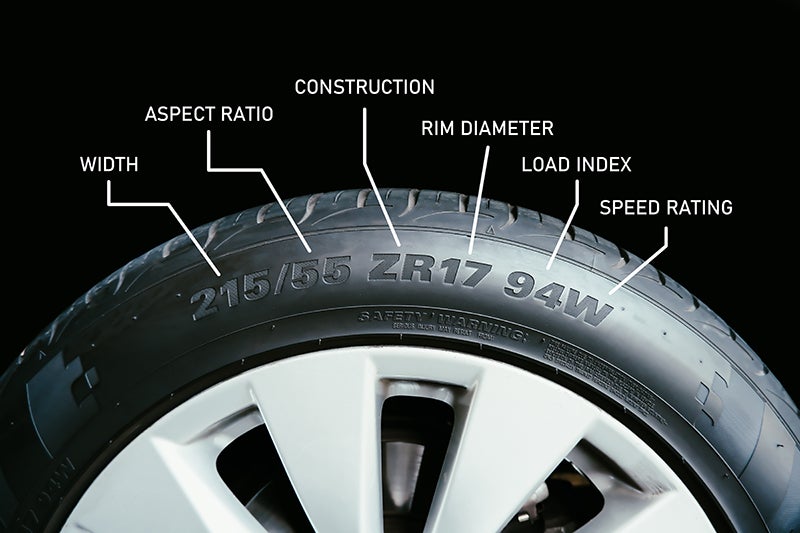
A guide depicting how to read the numbers on the side of new tires

New Tires in Hibbing: Everything You’ve Ever Wanted to Know

When it comes to vehicle maintenance, new tires play a crucial role in both performance and safety. The right set of tires ensures smooth driving, optimal fuel efficiency, and better handling on various road conditions. At North Country Chevrolet GMC in Hibbing, MN, we understand how essential it is to choose the right tires for your vehicle, whether you’re looking for all-season performance or a specialized option for off-roading. In this article, we’ll cover everything you need to know about tires, from types and features to maintenance tips and when to replace them. The Importance of Tires and Purchasing them in Hibbing Tires are the only point of contact between your vehicle and the road, which makes them incredibly important for safety and overall driving experience. High-quality tires contribute to: Traction and Grip: Tires provide the necessary friction between your vehicle and the road surface, which helps maintain control, especially during adverse weather conditions like rain, snow, or ice. Handling and Stability: The right tires ensure your car handles smoothly around corners, brakes efficiently, and provides a comfortable ride. Fuel Efficiency: Tires with lower rolling resistance contribute to better fuel economy, allowing you to drive further on less fuel. Safety: Properly inflated and maintained tires can significantly reduce the risk of accidents, especially in wet or icy conditions. Understanding Different Types of Tires Not all tires are created equal, and choosing the right tire depends on your vehicle type, driving habits, and local climate. Here’s an overview of the different types of tires available: All-Season Tires: These tires are designed to perform well in a variety of conditions, including dry, wet, and light winter driving. All-season tires offer a balance of performance, comfort, and durability, making them ideal for year-round use in moderate climates. Winter Tires (Snow Tires): If you live in an area with harsh winters, winter tires are a must. These tires are made from a special rubber compound that remains flexible in cold temperatures, providing better traction on snow, ice, and slush. They feature deeper treads and unique patterns to enhance grip in winter conditions. These are an ideal choice for new tires in Hibbing. Summer Tires: Built for warm weather, summer tires provide superior handling and traction in dry and wet conditions. However, they are not suitable for cold temperatures or snow, as the rubber tends to harden and lose its effectiveness in freezing conditions. These may not be a suitabale choice for new tires in Hibbing. Performance Tires: Designed for high-speed stability and handling, performance tires are commonly used on sports cars and high-performance vehicles. They offer enhanced grip on dry roads and improved cornering but may not be as durable or suitable for rough weather conditions. Off-Road Tires: For drivers who enjoy off-roading or rugged terrain, off-road tires are essential. These tires have reinforced tread patterns and stronger sidewalls, allowing them to perform well on dirt, mud, and gravel. They are ideal for trucks and SUVs used in off-road adventures. Key Tire Features You Should Know When choosing tires, it's important to consider various features that contribute to performance, durability, and comfort. These include: Tread Pattern: The tread pattern is what comes into contact with the road. It plays a significant role in traction, water displacement, and overall performance. There are several types of tread patterns, including: Symmetrical Tread: Common in all-season tires, this pattern provides balanced performance and is suitable for everyday driving. Asymmetrical Tread: Found in performance tires, asymmetrical treads are designed for high-speed stability and superior grip on dry and wet roads. Directional Tread: Best for winter and performance tires, this V-shaped pattern helps with water dispersion and traction, particularly in snow and rain. Tire Size: Tire size affects the ride quality and handling of your vehicle. You’ll find the recommended tire size for your vehicle in the owner’s manual or on the tire placard inside the driver’s door. The size includes the tire width, aspect ratio (sidewall height), and diameter, and it’s important to match these specifications for optimal performance. Load Rating and Speed Rating: The load rating indicates how much weight a tire can safely carry, while the speed rating tells you the maximum speed the tire can handle without risk of failure. These ratings are especially important for performance vehicles or heavy-duty trucks. Tire Pressure Monitoring System (TPMS): Many modern vehicles come equipped with a TPMS, which alerts drivers when tire pressure is low. Maintaining proper tire pressure is critical for safety, performance, and fuel efficiency. When to Purchase New Tires in Hibbing Knowing when to replace your tires can make a significant difference in your vehicle's safety and performance. Here are some indicators that it may be time for new tires in Hibbing: Tread Wear: Check the tread depth using a tread depth gauge. If the tread is worn down to 2/32 of an inch, it's time for new tires. Many tires have tread wear indicators built into them, which become visible when the tread has worn too thin. Cracks or Bulges: Inspect the sidewalls for any cracks, bulges, or punctures. These signs can indicate structural damage to the tire, which could lead to a blowout. If you find any, replace the tire immediately. Vibration: If your vehicle starts vibrating or pulling to one side while driving, it could indicate uneven tire wear or misalignment. Have your tires inspected by a professional to determine if a replacement is necessary. Age of Tires: Even if your tires appear to be in good condition, they can deteriorate over time. Tires should be replaced every six years, even if they haven’t been heavily used. The rubber can degrade and lose its effectiveness, increasing the risk of failure. Maintenance Tips For Old and New Tires Maintaining your tires properly can extend their lifespan, improve performance, and keep you safe on the road. Here are some essential tire maintenance tips: Check Tire Pressure Regularly: Tire pressure should be checked monthly, as low pressure can reduce fuel efficiency, increase wear, and affect handling. Always check tire pressure when the tires are cold. Rotate Your Tires: Rotating your tires every 6,000 to 8,000 miles ensures even wear across all four tires. This helps prolong their lifespan and improves handling. Balance and Align Your Tires: Proper wheel alignment and balancing help prevent uneven wear, improve fuel economy, and ensure a smoother ride. Inspect Tires for Damage: Regularly inspect your tires for any signs of damage, including punctures, cracks, or bulges. Catching issues early can prevent costly repairs or replacements down the road. Choosing the right tires depends on your driving needs, vehicle type, and local climate. At North Country Chevrolet in Hibbing, MN, our team is here to help you select the perfect tires for your car, truck, or SUV. We offer a wide range of tires designed for various conditions, ensuring your vehicle performs at its best no matter where the road takes you. Visit us today to explore our tire options, get expert advice, and schedule a tire checkup or replacement. Keeping your tires in top condition is key to maintaining the overall health and safety of your vehicle.

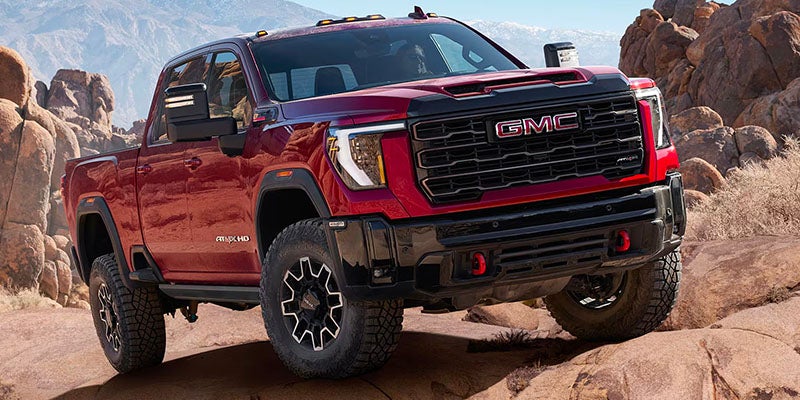
A 2025 GMC Sierra 2500 HD - Sierra 1500 vs 2500

Sierra 1500 vs 2500 vs 3500: Which GMC Truck Fits Your Needs?

Sierra 1500 vs 2500 vs 3500 When it comes to picking the right pickup truck, GMC offers some of the most versatile, capable, and powerful options in the market. Whether you’re looking for an everyday workhorse or a heavy-duty truck designed to tackle the most demanding jobs, the GMC Sierra lineup offers a model suited for every need. In this detailed comparison, we’ll break down the key features, performance, and benefits of the Sierra 1500 vs Sierra 2500 vs Sierra 3500 to help you determine which truck best fits your driving style and work requirements. GMC Sierra 1500: The Versatile Pickup The GMC Sierra 1500 is the most popular model in the Sierra lineup, offering a perfect balance of capability and everyday practicality. Whether you’re commuting through Hibbing or towing a trailer, the Sierra 1500 is designed to handle a wide range of tasks with ease. Performance: The Sierra 1500 offers a range of powerful engine options, including a 4.3L V6, a 5.3L V8, and a 3.0L Duramax turbo diesel. Depending on your needs, the Sierra 1500 can deliver up to 420 horsepower and 460 lb-ft of torque. Towing Capacity: With its maximum towing capacity of 11,800 pounds (when properly equipped), the Sierra 1500 is capable of hauling boats, trailers, and other heavy loads without breaking a sweat. For everyday hauling, this capacity is more than enough for most drivers. Interior and Technology: The Sierra 1500 features a well-appointed interior with options for premium materials, a 13.4-inch touchscreen with the GMC Infotainment System, and available driver-assist features such as Forward Collision Alert and Lane Keep Assist. The spacious cabin comfortably seats up to six people, making it a great choice for work and leisure alike. The Sierra 1500 is perfect for drivers who need a reliable truck with enough power for towing and hauling, but don't require the maximum towing capabilities found in the 2500 and 3500 models. GMC Sierra 2500: Heavy-Duty Performance For those who need more muscle for tougher jobs, the GMC Sierra 2500 offers enhanced towing and payload capacities. Whether you’re working in construction, hauling equipment, or taking on challenging off-road terrains, the Sierra 2500 is built for durability and performance. Performance: The Sierra 2500 offers two powerful engine choices: a 6.6L V8 gasoline engine and an available 6.6L Duramax turbo diesel. The diesel engine produces an impressive 445 horsepower and 910 lb-ft of torque, which translates to outstanding performance, especially when towing or carrying heavy loads. Towing Capacity: With a maximum towing capacity of up to 18,500 pounds (when properly equipped), the Sierra 2500 is ideal for larger trailers, construction equipment, or any other heavy-duty hauling needs. Interior and Technology: The Sierra 2500 offers a spacious interior with premium seating options and the latest in infotainment and safety technologies. Features like Apple CarPlay, Android Auto, and the available 15-inch head-up display make this truck both comfortable and technologically advanced. The 2500 also offers a wide variety of cargo space options, including a high-strength bed designed to handle rough use. The Sierra 2500 is perfect for those who need more power and towing capacity than the Sierra 1500 but don’t require the extreme capabilities of the Sierra 3500. GMC Sierra 3500: Maximum Power and Capability If you need the absolute highest towing capacity and payload limits, the GMC Sierra 3500 is the truck for you. Designed for serious work, this heavy-duty truck is engineered to handle the most demanding jobs with ease, whether you’re hauling large loads or working in extreme conditions. Performance: The Sierra 3500 features a choice of a 6.6L V8 gasoline engine or the 6.6L Duramax turbo diesel engine. The diesel version generates an astonishing 445 horsepower and 910 lb-ft of torque, ensuring maximum performance when you need it the most. Towing Capacity: With a maximum towing capacity of up to 36,000 pounds (when properly equipped with a fifth-wheel or gooseneck hitch), the Sierra 3500 can tow just about anything you can throw at it. Whether you’re hauling massive construction equipment or towing a large RV, this truck is built to handle it. Interior and Technology: While built for heavy-duty performance, the Sierra 3500 doesn’t compromise on comfort. The truck is equipped with the latest technology, including an available 15-inch head-up display, a 13.4-inch touchscreen, and a premium sound system. The interior is designed for long days on the job, with options for heated and ventilated seating, a high-end cabin, and ample storage space. The Sierra 3500 is the best choice for those who require maximum towing power and payload capacity, especially for commercial or industrial applications where performance is a top priority. Choosing the Sierra 1500 vs 2500 vs 3500 Model for Your Needs Each model in the GMC Sierra lineup offers unique features that make them suitable for different types of drivers. When determining which model to choose, it's important to consider your specific needs in terms of towing, payload, and performance. For Everyday Drivers and Light Towing: The Sierra 1500 is perfect for those who need a versatile truck for daily commuting and light hauling. For Heavy-Duty Tasks and Larger Loads: The Sierra 2500 provides more towing and payload capacity, making it ideal for those who need a reliable truck for heavier workloads and tougher tasks. For Maximum Towing and Commercial Use: The Sierra 3500 is the top choice for those who need the most powerful truck available, capable of towing massive loads and handling the most demanding tasks with ease. At North Country Chevrolet GMC, we offer a wide selection of GMC Sierra models, and our team is ready to help you find the perfect truck for your needs. Whether you’re looking for the flexibility of the Sierra 1500 vs 2500, or the extreme performance of the Sierra 3500, we have the perfect model waiting for you. Visit us in Hibbing, MN, to take a test drive and experience these powerful trucks for yourself.

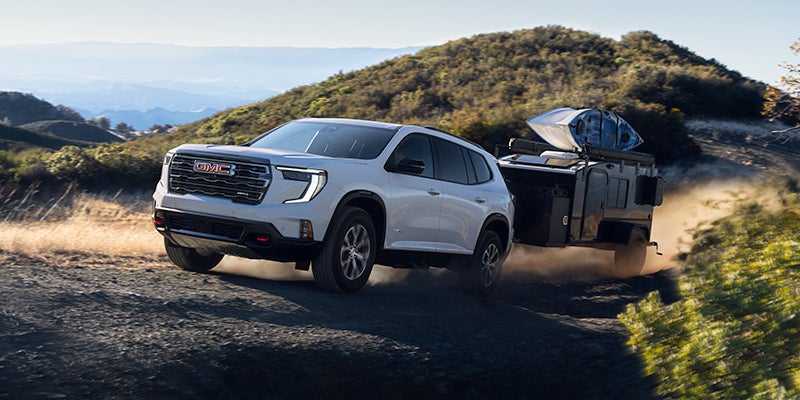
A 2025 GMC Yukon hauling a trailer - Is GMC Reliable?

Is GMC Reliable? A Comprehensive Look at GMC's Dependability

When it comes to purchasing a vehicle, one of the most important factors for consumers is reliability. No one wants a vehicle that requires frequent repairs or doesn’t perform well over time. GMC, a brand that has been a staple in the automotive industry for decades, has earned a reputation for producing dependable and long-lasting vehicles. So, the question arises: Is GMC reliable? The answer is a resounding yes. In this blog, we’ll explore why GMC vehicles are known for their reliability and what factors contribute to the brand's consistent performance. GMC's Reputation for Reliability GMC, part of General Motors, has consistently delivered vehicles that stand the test of time. From pickup trucks like the Sierra to SUVs like the Acadia and Terrain, GMC vehicles are built with quality in mind. The brand’s commitment to innovation, durability, and attention to detail has made it a trusted choice for drivers who want both performance and longevity. 1. Proven Durability Across Models Whether you're looking at a GMC Sierra 1500 for its towing capacity, the GMC Yukon for its family-friendly features, or the GMC Canyon for its off-road capabilities, each model showcases GMC’s focus on building vehicles that are both rugged and long-lasting. These vehicles are engineered to handle the toughest conditions while offering a smooth, comfortable ride. GMC vehicles are frequently praised for their durability, holding their value over time and maintaining strong performance for years. 2. Advanced Engineering and Technology GMC has always prioritized advanced engineering to enhance the reliability of its vehicles. With the integration of the latest technology, GMC vehicles are designed to perform optimally and efficiently. For example, GMC's use of their 4WD systems, advanced suspension setups, and powerful engines provides drivers with excellent performance, whether they are navigating city streets or tackling off-road adventures. The brand's continuous investment in engineering ensures that its vehicles maintain high performance and fewer breakdowns. 3. High Customer Satisfaction Ratings GMC consistently ranks well in consumer satisfaction surveys, with drivers noting the reliability and quality of the vehicles. From excellent handling to strong build quality, many drivers report their satisfaction with the performance and longevity of their GMC vehicles. Customers also appreciate the brand’s commitment to comfort and advanced technology, which further enhances the driving experience. 4. Low Maintenance Costs One of the benefits of owning a GMC is that maintenance and repair costs tend to be lower compared to some other brands. GMC vehicles are designed with ease of maintenance in mind, and parts are readily available, making repairs easier and more affordable. Routine maintenance, when done on time, helps to ensure that GMC vehicles run smoothly for years, preventing costly repairs down the line. What Makes GMC Vehicles So Reliable? GMC’s commitment to high-quality materials, advanced manufacturing processes, and continuous innovation is what makes their vehicles stand out. Here are a few key factors that contribute to GMC's reliability: Quality Manufacturing: GMC vehicles are built with high standards in mind. From body construction to engine performance, the brand focuses on ensuring every component is of the highest quality. Engine and Powertrain Durability: GMC uses robust engines and transmissions that are designed to withstand the wear and tear of daily use. The Duramax diesel engines and V8 engines are examples of the brand’s commitment to durability and long-term reliability. Rigorous Testing: Each GMC vehicle undergoes a series of rigorous tests to ensure it can handle real-world conditions. These tests include everything from off-road trials to extreme temperature endurance tests, ensuring that GMC vehicles perform reliably in all environments. Is GMC Reliable? If you’re looking for a vehicle that combines performance, dependability, and value, GMC is a great choice. With a focus on high-quality engineering, durable powertrains, and customer satisfaction, GMC has earned its reputation as one of the most reliable brands in the automotive industry. Whether you need a rugged truck, a family-friendly SUV, or a versatile crossover, GMC offers vehicles that can handle any challenge. GMC Models Known for Their Reliability: GMC Sierra 1500: A powerful, dependable truck perfect for work and play. GMC Yukon: A spacious and reliable SUV with premium features. GMC Acadia: A midsize SUV offering great comfort and performance. GMC Terrain: A compact SUV that combines reliability with efficient fuel economy. When it comes to dependability, GMC stands out as a brand that delivers quality, durability, and performance. With their commitment to high standards of engineering, advanced technology, and customer satisfaction, GMC vehicles are built to last. Whether you're looking for a truck, SUV, or crossover, you can trust that a GMC vehicle will provide reliable performance for many years to come. If you’re considering purchasing a GMC, rest assured that you’re making a smart choice for long-term reliability.

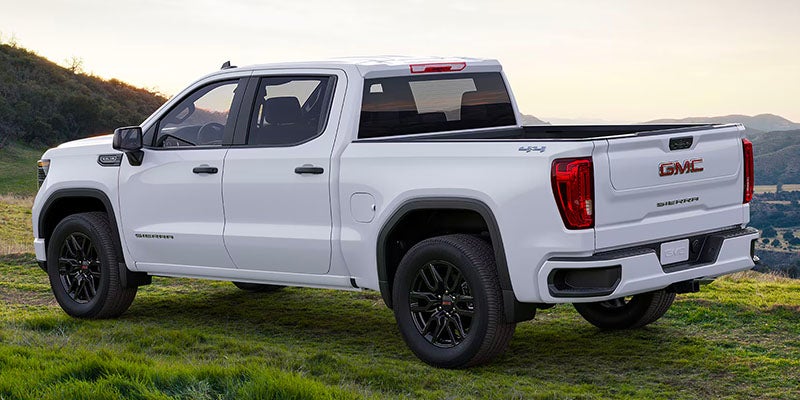
A 2025 GMC Sierra 1500 with the truck cab size crewcab

Cab Sizes in the Sierra 1500: A Comprehensive Guide

Considering the GMS Sierra 1500 but don't know the different cab sizes? When it comes to choosing the perfect truck, the 2025 GMC Sierra 1500 stands out as an exceptional choice. One of the critical factors to consider is the cab size, which plays a significant role in comfort, storage, and overall driving experience. GMC offers a variety of cab size options to cater to the needs of different drivers, whether you prioritize passenger space, cargo room, or towing capabilities. At North Country Chevrolet GMC, located in Hibbing, MN, we understand that selecting between the Sierra 1500 cab sizes can be a challenging task, but it's one that significantly impacts your driving experience. In this comprehensive guide, we will walk you through the different cab sizes available for the 2025 GMC Sierra 1500, their features, and how to decide which one is right for you. Exploring the 2025 GMC Sierra 1500 Cab Sizes The 2025 GMC Sierra 1500 is offered with three distinct cab size configurations, ensuring that there's a model to fit every need. Each cab size is designed to provide specific advantages, from extra passenger space to greater cargo capacity. These options include: Regular Cab Double Cab Crew Cab Understanding the differences between these configurations will help you make an informed decision that fits both your lifestyle and your driving preferences. Let’s explore each option in detail. 1. Regular Cab: Simplicity and Functionality The Regular Cab is the most basic configuration, perfect for those who need a straightforward truck with a strong focus on utility. This cab size is ideal for work-related tasks and those who don't require extra passenger seating. Here’s what you can expect from the Regular Cab: Seating Capacity: 2 to 3 passengers Cargo Space: Offers the longest bed length for maximum cargo capacity. Best for: Commercial use, small businesses, or individuals needing a workhorse truck. The Regular Cab’s minimalist design ensures that you have ample bed space for hauling larger loads. However, it does come with a trade-off in terms of passenger comfort, as it only accommodates two or three passengers. This is an excellent choice for those who prioritize cargo over additional passenger space. 2. Double Cab: The Balanced Option The Double Cab offers a perfect balance between passenger seating and cargo room. With this configuration, you get extra rear-seat space, making it more suitable for families or drivers who occasionally need to carry passengers but still want ample cargo capacity. Seating Capacity: 5 passengers Cargo Space: Offers a moderate-sized bed, not as large as the Regular Cab but still spacious enough for most tasks. Best for: Families, work trucks that need occasional passenger capacity, and those who want a balance between passenger comfort and cargo space. The rear seats in the Double Cab are more spacious than those in the Regular Cab, but they still provide enough room for short to medium trips. The design of the Double Cab allows you to bring along the occasional passenger, while still offering enough space in the bed for larger loads. For many, this cab size offers the best of both worlds, especially for those who need a versatile vehicle. 3. Crew Cab: Maximum Comfort and Versatility The Crew Cab is the largest and most versatile option, offering the most generous passenger space, making it perfect for families or those who frequently transport passengers. A Crew Cab is the ideal choice if you want both an expansive interior and enough cargo room to tackle any task. Seating Capacity: 5 to 6 passengers Cargo Space: Offers a slightly smaller bed compared to the Regular and Double Cabs but still sufficient for most hauling tasks. Best for: Long-distance driving, families, or anyone needing a balance of comfort and cargo capacity. The Crew Cab’s rear seating area is spacious enough to comfortably accommodate adults, even on long trips. Additionally, the extended cab area provides extra storage options inside the truck, adding more practicality for everyday use. While the bed is a bit shorter than the Regular Cab's, it still provides plenty of room for larger loads, making it ideal for those who need both comfort and cargo space. Which of the GMC Sierra 1500 Cab Sizes is Right for You? Choosing the right cab size depends on your unique needs. Here’s how to determine which 2025 GMC Sierra 1500 configuration best suits your requirements: If you primarily need a work truck and don’t require additional seating, the Regular Cab is the most practical option. It maximizes bed space for hauling and is perfect for businesses and those who use their truck primarily for transporting goods. For families or those who occasionally transport passengers, the Double Cab strikes a perfect balance between passenger space and cargo room. It’s an excellent choice for individuals who need a truck that can handle both work tasks and family duties. If you often transport passengers and prioritize comfort during long trips, the Crew Cab is the ideal option. It offers plenty of room for passengers while still providing enough bed space for most hauling needs. Consider Other Factors When Choosing Your 2025 GMC Sierra 1500 Cab Size While cab size is important, it’s also worth considering other factors that can affect your decision, including: Towing Capacity: The 2025 GMC Sierra 1500 comes with a powerful engine lineup, with varying towing capacities based on the cab size and drivetrain. The Regular Cab, being the most compact, often offers the highest towing capacities. Bed Length: Depending on the cab size, the bed length of the Sierra 1500 may vary. If you need the largest bed possible, the Regular Cab is your best bet, while the Crew Cab offers a shorter bed to accommodate more passenger space. Fuel Economy: Depending on the engine and cab configuration, fuel efficiency may vary. Typically, a Regular Cab will have slightly better fuel economy than the larger Crew Cab, but this difference is minimal for most drivers. Technology and Comfort: All cab sizes come equipped with advanced technology options, including infotainment systems, safety features, and comfort enhancements. However, if you opt for the Crew Cab, you may benefit from extra features geared toward improving the passenger experience. At North Country Chevrolet GMC, we are dedicated to helping you find the perfect truck for your needs. Whether you are interested in the 2025 GMC Sierra 1500 or any other model, our knowledgeable team will guide you through every step of the buying process, ensuring you get the best possible vehicle for your lifestyle. We pride ourselves on offering a wide selection of vehicles, top-tier customer service, and expert advice to make your buying experience as smooth as possible. Visit us today to explore the different cab sizes of the 2025 GMC Sierra 1500 and discover which one is right for you. We look forward to helping you drive away in the perfect truck!

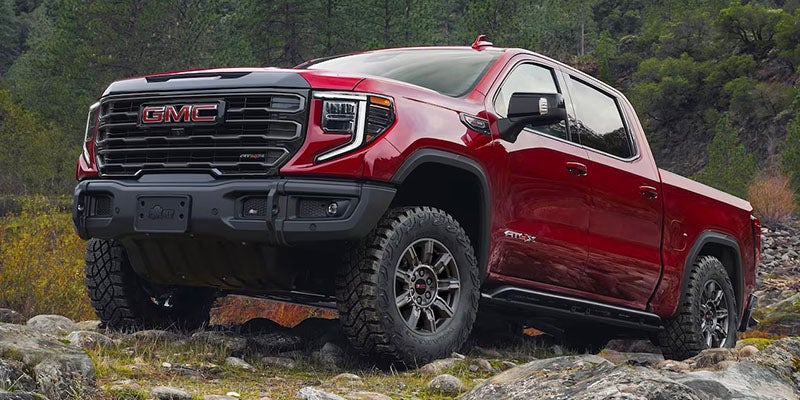
2025 GMC Sierra 1500 in Volcanic Red Tintcoat

Sierra 1500 Trims: A Guide to 2025 GMC Sierra Trim Levels

The 2025 GMC Sierra 1500 continues to be a powerhouse in the full-size pickup truck market, offering a wide range of trims and features to suit various needs and preferences. Whether you’re looking for a workhorse or a vehicle with luxurious appointments, the Sierra 1500 offers something for everyone. Let's dive into the available trim levels and what they bring to the table. GMC Sierra 1500 Trim Levels The 2025 GMC Sierra 1500 is available in several trims, each offering distinct features and configurations. Below is an overview of the available trims, including the GMC Sierra 1500 regular cab and Single cab GMC Sierra, as well as other options to match your lifestyle. 1. Sierra 1500 Pro The entry-level Sierra 1500 Pro is built for those who need a reliable and rugged truck for everyday tasks. This trim is equipped with a powerful engine and a straightforward, no-frills approach to functionality. Ideal for business or fleet use, the Sierra 1500 Pro offers the durability and efficiency you need. Key Features: Rear-wheel drive (4WD available) 7-inch infotainment system Standard V6 engine Basic interior with durable materials Strong towing capacity 2. Sierra 1500 SLE The Sierra 1500 SLE brings a step up in both features and comfort. It includes many premium amenities while still keeping a focus on performance. This trim offers enhanced tech features and optional upgrades that make it a great choice for both work and play. Key Features: Upgraded 8-inch infotainment system Cloth seating with optional leather V8 engine option Advanced driver assistance features Optional GMC Sierra 1500 regular cab for those needing a simpler, more efficient configuration 3. Sierra 1500 SLT For those looking for more luxury, the Sierra 1500 SLT trim delivers a refined experience. With premium materials, enhanced tech features, and more powerful engine options, the SLT is perfect for drivers who want a versatile truck that blends workhorse capability with everyday comfort. Key Features: Leather seating 12-inch driver display Enhanced safety features Multiple engine options, including a powerful turbocharged engine Single cab GMC Sierra available for those who prefer a minimalist and efficient design 4. GMC Sierra 1500 AT4 The AT4 trim is designed for those who need a truck that can handle off-road challenges without compromising on comfort. With special off-road suspension and a rugged design, the AT4 is perfect for outdoor adventures, job sites, or any off-road excursion. Key Features: Off-road suspension and skid plates 4WD as standard Raised suspension for better ground clearance Specialized all-terrain tires Bold and rugged exterior styling 5. Sierra 1500 Denali At the top of the lineup is the Sierra 1500 Denali, which offers the ultimate in luxury and performance. This trim is perfect for drivers who demand the best in terms of both comfort and capability. The Denali features high-end materials, advanced tech features, and a range of powerful engines, including an available 6.2L V8. Key Features: Premium leather upholstery Advanced multi-camera system Signature Denali grille and exclusive exterior styling Air suspension system for a smoother ride Adaptive cruise control and other premium driver-assist features Trim Packages for GMC Sierra In addition to the base trims, GMC also offers various trim packages for GMC Sierra, which allow for customization of features such as exterior finishes, wheel designs, and tech options. Depending on your needs and preferences, these packages can enhance both the style and functionality of your Sierra 1500. Appearance Packages: These packages offer upgraded exterior features, such as chrome accents, sport appearance packages, and bold wheel designs. Technology Packages: Advanced navigation systems, enhanced audio setups, and safety tech can be added to many trim levels. Off-Road Packages: Available on trims like the AT4, these packages provide additional tools for off-road capability, including enhanced suspension systems and durable tires. Choosing the Right Trim for Your Needs Selecting the right GMC Sierra 1500 regular cab or Single cab GMC Sierra depends on your preferences and the work you intend to do with your truck. For those needing a basic, efficient truck for work, the Pro or SLE trims offer excellent value. If you want something that combines luxury with power, the SLT or Denali trims are ideal. For off-road enthusiasts, the AT4 trim is the perfect choice. The 2025 GMC Sierra 1500 is a versatile and powerful truck, with a range of trims and configurations to suit a variety of needs. Whether you need a rugged workhorse, an off-road adventurer, or a luxury vehicle, the Sierra 1500 has something for everyone. Visit North Country Chevrolet GMC in Hibbing, MN, to explore the available trims and find the perfect truck for your lifestyle.

Contact Us

Fill out this form below and we'll contact you shortly
*Required Fields