Blog / HIBBING Chevrolet Service

Tire Rotation FAQ: Everything You Need to Know

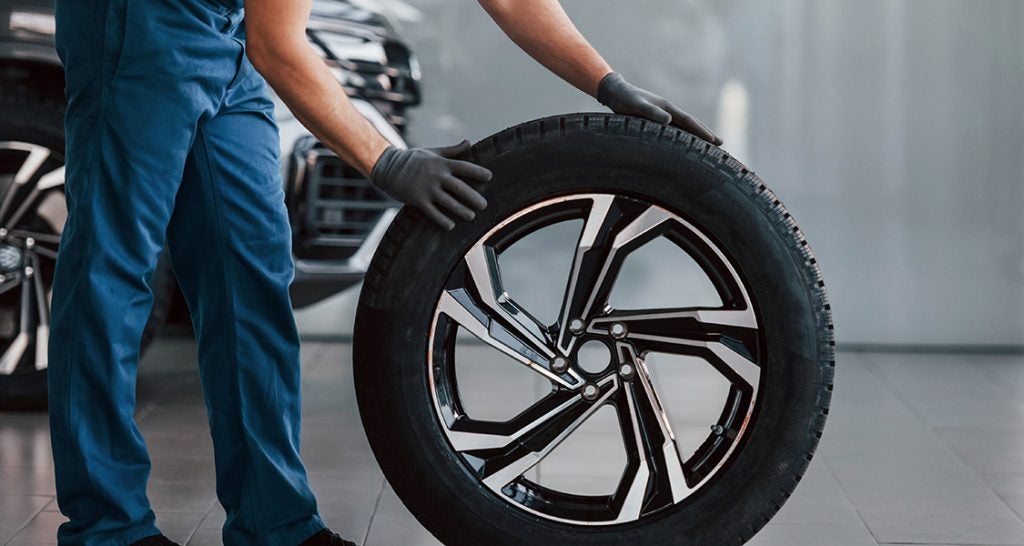
A man holding a wheel that has been removed for tire rotation

Drivers in Hibbing, MN often wonder if tire rotation is truly necessary. This simple service plays a major role in extending tire life, maintaining handling stability, and supporting safe driving. Tire rotations help ensure that all four tires wear evenly, which leads to more predictable steering response and better overall performance on the road. 

This FAQ explains why tire rotations matter, how often they should be performed, and how they benefit your vehicle throughout Minnesota’s challenging driving conditions. 

Why Should you Rotate Your Tires? 

Tires wear at different rates due to vehicle weight distribution, drivetrain layout, and the demands placed on specific wheels. Front tires typically experience higher wear because they manage steering input and often carry more load due to engine placement. As a result, tread depth can diminish faster in front positions compared to the rear. 

Rotating the tires at regular intervals evens out the wear patterns, helping each tire maintain better traction and road contact. This is especially important in Hibbing, MN, where winter weather increases the importance of consistent traction and stable handling. 

How Often Should I Rotate My Tires? 

Most industry guidelines recommend tire rotations every 5,000 to 7,500 miles. This interval aligns with general ASE recommendations and the service schedules of many auto manufacturers. The exact interval can vary slightly based on the vehicle’s configuration, tire type, and driving habits. 

Drivers who frequently encounter gravel roads, uneven terrain, or harsh winter conditions around Hibbing may benefit from more frequent rotations. Checking your owner’s manual provides the most accurate interval for your specific vehicle, and the service team at North Country Chevrolet GMC can offer guidance tailored to your driving environment. 

What Are the Benefits of Tire Rotation? 

Regular tire rotations provide multiple long-term benefits and support your vehicle’s overall performance. Evening out tread wear helps extend the usable life of the tires and can improve both ride quality and braking consistency. Rotations also support better fuel efficiency by helping each tire maintain smoother, more uniform rolling resistance. 

Another advantage of scheduled rotations is early detection of alignment or suspension issues. Uneven wear patterns can signal underlying mechanical concerns, and addressing them early prevents more extensive repairs down the road. This proactive approach is especially valuable in regions like Hibbing, MN, where weather and road conditions accelerate wear. 

Schedule Your Tire Rotation in Hibbing, MN 

Tire rotations are essential for preserving safety, improving performance, and maximizing tire longevity. Drivers in Hibbing, MN can rely on North Country Chevrolet GMC for professional tire rotation service and expert maintenance support. 

Keep your tires performing at their best—schedule your tire rotation today and enjoy greater confidence on every drive. 

Posted in:

Related Posts

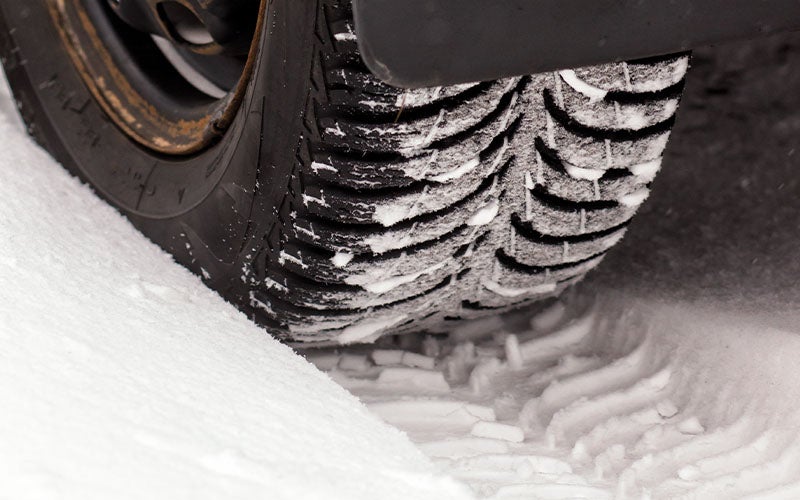
A vehicle tire in the snow - Winter Maintenance

Winter Maintenance: Vehicle Tips for Hibbing, MN

Winter in Hibbing, Minnesota, can be brutal, with heavy snowfall and icy conditions challenging even the most capable vehicles. To keep your car safe and performing at its best, proper winter vehicle maintenance is essential. Ensuring your car is ready for snow and ice not only helps you avoid unexpected breakdowns but also protects you and your passengers during the cold season. Prepare Your Car for Snow and Ice Winterizing your car starts with understanding the challenges posed by snow and ice. The first step in winter vehicle maintenance is inspecting and preparing vital components like your windshield wipers, defrosters, and battery. Cold weather can drain battery life quickly, so testing its charge can prevent inconvenient failures. more Additionally, make sure your windshield wiper fluid is rated for freezing temperatures to maintain visibility during snowstorms. Checking your brakes is another critical safety measure, as icy roads demand precise stopping power. Taking these steps will give you confidence as you navigate Hibbing’s snowy streets. Tire Chains and Snow Tires When it comes to handling snow and ice, your tires are your first line of defense. Standard all-season tires may not be enough to grip icy roads effectively. Installing snow tires can significantly improve traction, thanks to their specialized rubber compounds and tread designs. For areas with extreme snowfall, carrying tire chains is a smart move. While they may not be necessary for everyday driving in Hibbing, they can provide the extra grip needed for roads that are steep or not ploughed. Properly maintaining your tires—checking tread depth and ensuring correct tire pressure—is also a crucial part of winter vehicle maintenance. Coolant for Winter Maintenance Your vehicle’s coolant system is vital for keeping your engine from freezing in cold temperatures. Ensuring your coolant-to-water ratio is appropriate for winter (typically 50/50) is one of the easiest ways to winterize your car. It’s also a good idea to have your cooling system inspected for leaks or worn hoses before freezing temperatures set in. Using a quality antifreeze that meets your manufacturer’s specifications will protect your engine and keep it running smoothly, even on the coldest days in Hibbing. What to Keep in the Car in Winter Being prepared for emergencies is a key part of winter vehicle maintenance. Always carry a winter emergency kit in your car, especially when driving in remote areas around Hibbing. Your kit should include: - A snow shovel and ice scraper - Jumper cables or a portable jump starter - A flashlight with extra batteries - Warm blankets and extra clothing - Non-perishable snacks and bottled water Additionally, keeping sand or kitty litter in your trunk can help provide traction if you get stuck on icy surfaces. These items can make a big difference in ensuring your safety during unexpected situations. Schedule Your Winter Maintenance Preparing your car for winter weather doesn’t just protect your vehicle—it keeps you and your family safe during harsh Minnesota winters. By following these winter vehicle maintenance tips and taking the time to winterize your car, you’ll be ready to face snow and ice confidently. For expert assistance and professional winterizing services, visit North Country Chevrolet GMC. Stay safe this winter!

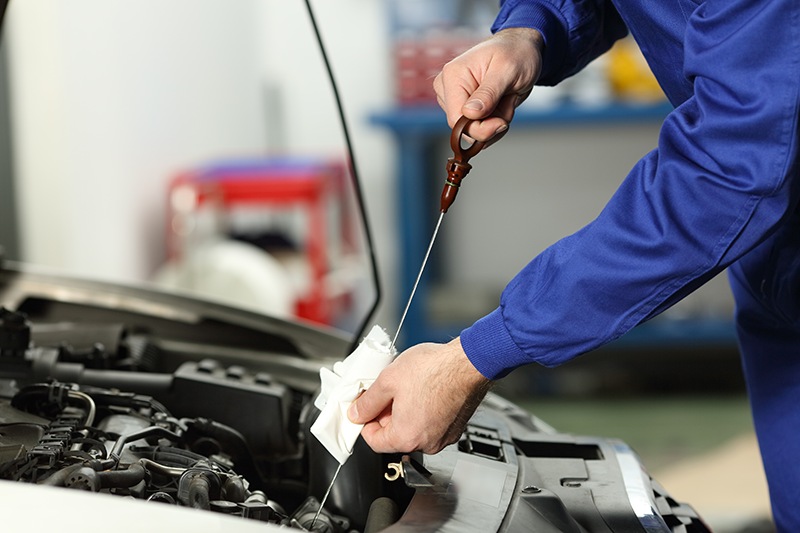
A mechanic checking a vehicles oil - Synthetic Oil vs Natural Oil

Synthetic vs Natural Oil: A Guide

Synthetic vs natural oil, which is best? When it comes to maintaining your vehicle, choosing the right oil is crucial. Whether you're driving through the snowy streets of Hibbing, MN, or taking long road trips, the oil in your engine plays a vital role in ensuring optimal performance. But with so many options on the market, like synthetic oil, natural oil, or blends, knowing which one to choose can feel overwhelming. Frequently asked questions - What is synthetic oil? Synthetic oil is man-made, engineered for optimal performance, and often includes additives for better engine protection under extreme conditions. more - What is natural oil? Also known as conventional oil, this type is derived directly from crude oil and is refined for use in engines. - What is a blend? A blend combines synthetic and natural oils, delivering some benefits of both at a more affordable price point compared to full synthetic oil. Understanding these basics is the first step toward selecting the ideal oil for your vehicle. Synthetic vs. Natural vs. Blend The choice between synthetic oil, natural oil, or a blend often depends on factors such as your driving habits, the age of your vehicle, and environmental conditions. Each type has distinct characteristics: - Synthetic Oil: Known for its superior performance, synthetic oil is ideal for extreme temperatures, heavy towing, or high-performance engines. It resists breakdown better than natural oil, providing longer intervals between oil changes. - Natural Oil: A more traditional option, natural oil is suitable for standard vehicles and everyday driving. However, it may require more frequent oil changes and provides less protection under severe driving conditions. - Blended Oil: The middle ground, blends deliver better performance than natural oil and are more cost-effective compared to full synthetic oil. This option works well for drivers who want enhanced protection without the higher price tag of synthetic oil. Considering these differences, many drivers in Hibbing, MN, opt for synthetic oil due to its reliability in harsh winter conditions. How to Decide Which Type Works for You Choosing the right oil for your vehicle doesn't have to be a difficult decision. Here are some tips to guide you: 1. Check Your Owner’s Manual: Manufacturers often recommend a specific type of oil for your vehicle. For many newer models, synthetic oil is the preferred choice. Chevrolet and GMC manuals are both available online. 2. Consider Your Driving Conditions: If you frequently drive in cold weather, tow heavy loads, or take long commutes, synthetic oil may be the best option. For more casual driving around Hibbing, MN, natural oil or a blend could suffice. 3. Think About Your Budget: While synthetic oil typically costs more upfront, its longer lifespan can save money over time. If you're looking for a balance between cost and performance, blended oil might be a smart choice. By considering these factors and consulting with a trusted mechanic, you'll find an oil type that meets your needs and keeps your engine running smoothly. Ready to make the switch to the perfect oil for your vehicle? Visit North Country Chevrolet GMC in Hibbing, MN, or schedule a service appointment through our website. Our expert technicians will help you decide whether synthetic vs natural oil, or a blend is best for your vehicle. Understanding the differences between synthetic oil, natural oil, and blends is key to keeping your engine in peak condition. For drivers in Hibbing, MN, the choice often depends on your specific needs and driving habits. If you're unsure which oil is right for your vehicle, trust the experts at North Country Chevrolet GMC to guide you. Stop by today and keep your engine running smoothly, no matter where your journey takes you!

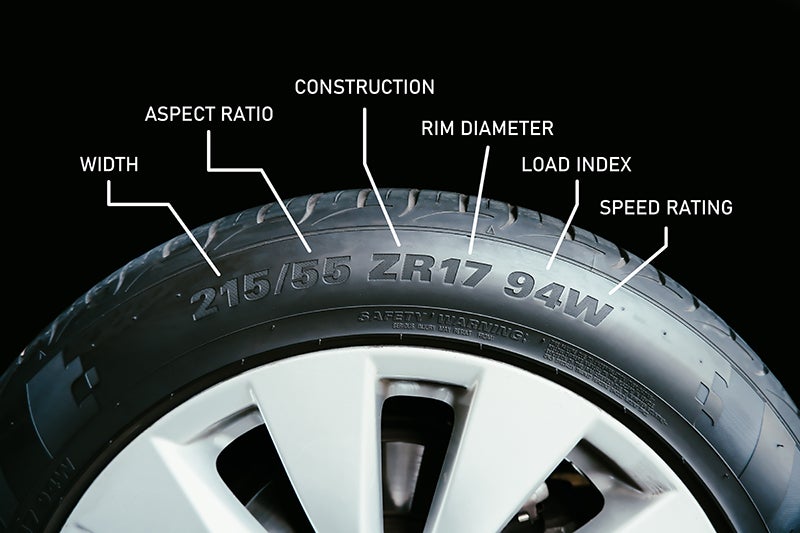
A guide depicting how to read the numbers on the side of new tires

New Tires in Hibbing: Everything You’ve Ever Wanted to Know

When it comes to vehicle maintenance, new tires play a crucial role in both performance and safety. The right set of tires ensures smooth driving, optimal fuel efficiency, and better handling on various road conditions. At North Country Chevrolet GMC in Hibbing, MN, we understand how essential it is to choose the right tires for your vehicle, whether you’re looking for all-season performance or a specialized option for off-roading. In this article, we’ll cover everything you need to know about tires, from types and features to maintenance tips and when to replace them. The Importance of Tires and Purchasing them in Hibbing Tires are the only point of contact between your vehicle and the road, which makes them incredibly important for safety and overall driving experience. High-quality tires contribute to: more Traction and Grip: Tires provide the necessary friction between your vehicle and the road surface, which helps maintain control, especially during adverse weather conditions like rain, snow, or ice. Handling and Stability: The right tires ensure your car handles smoothly around corners, brakes efficiently, and provides a comfortable ride. Fuel Efficiency: Tires with lower rolling resistance contribute to better fuel economy, allowing you to drive further on less fuel. Safety: Properly inflated and maintained tires can significantly reduce the risk of accidents, especially in wet or icy conditions. Understanding Different Types of Tires Not all tires are created equal, and choosing the right tire depends on your vehicle type, driving habits, and local climate. Here’s an overview of the different types of tires available: All-Season Tires: These tires are designed to perform well in a variety of conditions, including dry, wet, and light winter driving. All-season tires offer a balance of performance, comfort, and durability, making them ideal for year-round use in moderate climates. Winter Tires (Snow Tires): If you live in an area with harsh winters, winter tires are a must. These tires are made from a special rubber compound that remains flexible in cold temperatures, providing better traction on snow, ice, and slush. They feature deeper treads and unique patterns to enhance grip in winter conditions. These are an ideal choice for new tires in Hibbing. Summer Tires: Built for warm weather, summer tires provide superior handling and traction in dry and wet conditions. However, they are not suitable for cold temperatures or snow, as the rubber tends to harden and lose its effectiveness in freezing conditions. These may not be a suitabale choice for new tires in Hibbing. Performance Tires: Designed for high-speed stability and handling, performance tires are commonly used on sports cars and high-performance vehicles. They offer enhanced grip on dry roads and improved cornering but may not be as durable or suitable for rough weather conditions. Off-Road Tires: For drivers who enjoy off-roading or rugged terrain, off-road tires are essential. These tires have reinforced tread patterns and stronger sidewalls, allowing them to perform well on dirt, mud, and gravel. They are ideal for trucks and SUVs used in off-road adventures. Key Tire Features You Should Know When choosing tires, it's important to consider various features that contribute to performance, durability, and comfort. These include: Tread Pattern: The tread pattern is what comes into contact with the road. It plays a significant role in traction, water displacement, and overall performance. There are several types of tread patterns, including: Symmetrical Tread: Common in all-season tires, this pattern provides balanced performance and is suitable for everyday driving. Asymmetrical Tread: Found in performance tires, asymmetrical treads are designed for high-speed stability and superior grip on dry and wet roads. Directional Tread: Best for winter and performance tires, this V-shaped pattern helps with water dispersion and traction, particularly in snow and rain. Tire Size: Tire size affects the ride quality and handling of your vehicle. You’ll find the recommended tire size for your vehicle in the owner’s manual or on the tire placard inside the driver’s door. The size includes the tire width, aspect ratio (sidewall height), and diameter, and it’s important to match these specifications for optimal performance. Load Rating and Speed Rating: The load rating indicates how much weight a tire can safely carry, while the speed rating tells you the maximum speed the tire can handle without risk of failure. These ratings are especially important for performance vehicles or heavy-duty trucks. Tire Pressure Monitoring System (TPMS): Many modern vehicles come equipped with a TPMS, which alerts drivers when tire pressure is low. Maintaining proper tire pressure is critical for safety, performance, and fuel efficiency. When to Purchase New Tires in Hibbing Knowing when to replace your tires can make a significant difference in your vehicle's safety and performance. Here are some indicators that it may be time for new tires in Hibbing: Tread Wear: Check the tread depth using a tread depth gauge. If the tread is worn down to 2/32 of an inch, it's time for new tires. Many tires have tread wear indicators built into them, which become visible when the tread has worn too thin. Cracks or Bulges: Inspect the sidewalls for any cracks, bulges, or punctures. These signs can indicate structural damage to the tire, which could lead to a blowout. If you find any, replace the tire immediately. Vibration: If your vehicle starts vibrating or pulling to one side while driving, it could indicate uneven tire wear or misalignment. Have your tires inspected by a professional to determine if a replacement is necessary. Age of Tires: Even if your tires appear to be in good condition, they can deteriorate over time. Tires should be replaced every six years, even if they haven’t been heavily used. The rubber can degrade and lose its effectiveness, increasing the risk of failure. Maintenance Tips For Old and New Tires Maintaining your tires properly can extend their lifespan, improve performance, and keep you safe on the road. Here are some essential tire maintenance tips: Check Tire Pressure Regularly: Tire pressure should be checked monthly, as low pressure can reduce fuel efficiency, increase wear, and affect handling. Always check tire pressure when the tires are cold. Rotate Your Tires: Rotating your tires every 6,000 to 8,000 miles ensures even wear across all four tires. This helps prolong their lifespan and improves handling. Balance and Align Your Tires: Proper wheel alignment and balancing help prevent uneven wear, improve fuel economy, and ensure a smoother ride. Inspect Tires for Damage: Regularly inspect your tires for any signs of damage, including punctures, cracks, or bulges. Catching issues early can prevent costly repairs or replacements down the road. Choosing the right tires depends on your driving needs, vehicle type, and local climate. At North Country Chevrolet in Hibbing, MN, our team is here to help you select the perfect tires for your car, truck, or SUV. We offer a wide range of tires designed for various conditions, ensuring your vehicle performs at its best no matter where the road takes you. Visit us today to explore our tire options, get expert advice, and schedule a tire checkup or replacement. Keeping your tires in top condition is key to maintaining the overall health and safety of your vehicle.