



Blog

All HIBBING Chevrolet Dealer HIBBING Chevrolet Service hibbing gmc dealer North Country Chevrolet GMC Service hibbing gmc service Service 2026 Chevrolet Technology north country gmc sierra 1500 2026 Silverado 1500 Best Chevrolet Models check engine light Chevrolet Trucks Chevrolet vehicles in Hibbing, MN sierra 2500 sierra 3500 tire care 2026 Traverse 2027 Chevrolet 2027 Traverse A/C and Heat Alternator Car Oil Type FAQ Chevrolet Key FOB Chevrolet Warranty Coolant Differential engine belts engine overheating HIBBING Used Cars North Country Chevrolet serpentine belt Spark Plugs Synthetic Oil Guide for Drivers in Hibbing, MN timing belt Towing Trims
Chevrolet Key Fob Guide: Programming, Battery Replacement, and Troubleshooting

Chevrolet Key Fob Guide: Programming, Battery Replacement, and Troubleshooting

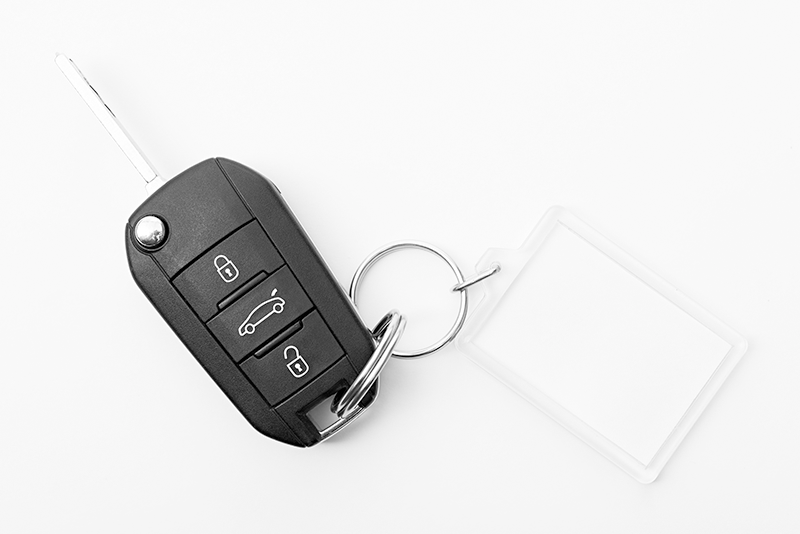
Your Chevrolet key fob does more than lock and unlock your doors. Depending on your vehicle's model and equipment, it can provide keyless entry, remote start, tailgate access, and other convenient features. When the remote stops responding or the battery begins to weaken, knowing how to identify the problem can save time and prevent unexpected inconvenience. Some Chevrolet key fob issues can be resolved with a simple battery replacement, while others require programming or professional service. At North Country Chevrolet in Hibbing, MN, we help drivers understand their Chevrolet key fobs and keep these everyday features working properly. How Chevrolet Key Fobs Work Chevrolet key fobs use wireless communication to send commands to a vehicle's receiver. Depending on the model year and equipment, the remote may control the door locks, activate the panic alarm, open the trunk or liftgate, release the tailgate, or start the engine remotely. Many newer Chevrolet models also offer Keyless Open and Keyless Start. These systems recognize a compatible key fob when it is within the required range, allowing the driver to unlock or start the vehicle without inserting a traditional key. Common Chevrolet key fob features include: Remote Lock and Unlock: Secure or unlock the vehicle using the corresponding buttons. Remote Start: Start the engine from outside the vehicle on properly equipped models. Keyless Open: Unlock compatible doors while carrying the key fob. Push-Button Start: Start the vehicle while an authorized remote is detected inside the cabin. Panic Alarm: Activate the vehicle's alarm to attract attention. Remote Trunk, Liftgate, or Tailgate Access: Open or release supported cargo areas on select models. Not every Chevrolet remote includes the same functions. A Silverado key fob may feature tailgate controls, while an Equinox or Traverse remote may include liftgate access. Features also differ between older keyed-ignition vehicles and newer push-button-start models. How to Program a Chevrolet Key Fob Programming a Chevrolet key fob connects the remote to your vehicle so that it can communicate with the electronic security and access systems. The process varies considerably depending on the model, year, and type of ignition system. Some Chevrolet models support an owner programming procedure when two previously recognized key fobs are available. Others require dealership programming equipment or specific security procedures. A replacement remote must also be compatible with the vehicle before programming can succeed. Programming a Replacement Chevrolet Key Fob With Two Working Remotes On certain Chevrolet vehicles equipped with Keyless Access, an additional remote can be programmed using two already recognized transmitters. This procedure is not universal, and the steps below describe the general process used by some models rather than instructions for every Chevrolet. Confirm compatibility. Check that the replacement fob matches the vehicle's model, model year, and required part number. Locate both working remotes. Some systems require two recognized transmitters before allowing another remote to be added. Review the owner's manual. Find the Remote Keyless Entry or transmitter programming instructions for the exact vehicle. Prepare the vehicle. Follow the manual's directions for positioning the existing remotes and accessing the programming sequence. Enter programming mode. Certain models use the mechanical key and driver's door lock cylinder to initiate the process. Place the new fob in the designated transmitter pocket. The location varies by vehicle and may be inside the center console or another specified area. Complete the pairing sequence. Follow the vehicle's displayed instructions and verify that the new remote operates correctly. Some Chevrolet vehicles do not support this method, even when two functioning remotes are available. Attempting a procedure intended for another model can cause confusion or interrupt the programming process. For drivers replacing a lost remote or adding another key to a Silverado, Equinox, Tahoe, or Traverse, we recommend checking the exact programming requirements before purchasing a replacement. Programming a Chevrolet Key Fob Without an Existing Working Remote Replacing a lost Chevrolet key fob can be more complicated than adding a spare. If no recognized transmitter is available, the vehicle may require additional security procedures or specialized programming equipment. Certain Chevrolet models provide an owner programming procedure without recognized transmitters, but the process can involve a lengthy security waiting period. Other models require service equipment and professional assistance. Before attempting replacement programming, consider these factors: Vehicle Identification Number: The VIN helps identify the correct replacement remote. Model Year: Chevrolet programming procedures can change between generations of the same model. Ignition Type: Traditional keyed ignitions and push-button-start systems may have different requirements. Remote Compatibility: Matching the appearance of the original fob does not guarantee that a replacement will work. Security Requirements: Some programming procedures require verification of vehicle ownership. Our Chevrolet parts and service teams can help drivers determine the correct replacement key fob and appropriate programming method. How to Tell When Your Chevrolet Key Fob Battery Is Dying A weakening battery is one of the most common reasons a Chevrolet key fob becomes unreliable. The remote may continue working intermittently before the battery becomes too weak to transmit commands consistently. Because many key fobs rely on small coin-cell batteries, changes in battery performance can affect remote range, responsiveness, and keyless access. Common signs of a dying Chevrolet key fob battery include: Reduced operating range: You must stand closer to the vehicle before the remote responds. Delayed button response: Locking or unlocking requires additional attempts. Intermittent operation: The remote works normally on some occasions but fails on others. Key fob battery warnings: The vehicle displays a low remote battery message. Keyless entry problems: The vehicle occasionally fails to recognize the nearby fob. Remote start difficulties: The remote start command becomes unreliable even when the vehicle's operating conditions are satisfied. A weak key fob battery does not necessarily mean the vehicle's main battery is failing. These are separate components with different functions. If the remote works only when held close to the vehicle or begins responding inconsistently, checking the key fob battery is a sensible first step. How to Change a Chevrolet Key Fob Battery Replacing a Chevrolet key fob battery is often a straightforward maintenance task. However, the correct battery size, remote housing design, and opening method vary by vehicle. Many Chevrolet key fobs use a CR2032 coin-cell battery, but this is not universal. Always confirm the required battery using the owner's manual, the existing battery markings, or the applicable Chevrolet parts information. Chevrolet Key Fob Battery Replacement Steps For Chevrolet remotes with a replaceable coin-cell battery, the general process involves opening the housing, removing the old battery, and installing the correct replacement. Identify the correct battery. Review the owner's manual or inspect the existing battery to confirm its size and type. Remove the mechanical key if equipped. Press the release button and carefully slide the emergency key out of the remote. Locate the battery compartment. Depending on the fob design, the housing may have a removable cover or a seam separating its two halves. Open the housing carefully. Use the method specified in the owner's manual to avoid damaging the plastic casing. Remove the old battery. Note its position and polarity before taking it out. Install the replacement battery. Insert the new battery in the correct orientation without forcing it into place. Reassemble the key fob. Secure the housing and reinstall the mechanical key, if applicable. Test the remote. Check the lock, unlock, and other available functions from an appropriate distance. Avoid touching exposed electronic circuitry unnecessarily. Static electricity, moisture, and excessive pressure can damage delicate components inside the remote. Keep loose coin-cell batteries away from children and pets. These batteries can cause severe internal injuries if swallowed. Dispose of the old battery through an appropriate battery recycling program. Will a Chevrolet Key Fob Need Reprogramming After a Battery Change? In most cases, replacing the battery in an already programmed Chevrolet key fob does not require pairing it with the vehicle again. The remote normally retains its programming when the battery is removed. If the fob does not work after replacement, check the battery type, polarity, and contact points before assuming the programming has been lost. A properly installed new battery should restore normal operation when the original problem was simply low battery power. If the remote remains unresponsive, further diagnosis may be necessary. What to Do When a Chevrolet Key Fob Stops Working A nonworking key fob does not always indicate a dead battery. Physical damage, worn buttons, electronic interference, and vehicle-related electrical problems can produce similar symptoms. For example, a remote may fail to unlock the vehicle in one location but operate normally elsewhere. Nearby electronic equipment or other sources of interference can affect wireless communication. Before replacing the entire remote, work through a few basic checks. Try a spare key fob. If the second remote works, the problem is more likely related to the original fob. Replace the battery. Use the correct battery type and check its installation. Inspect the buttons. Worn, stuck, or damaged buttons may prevent reliable operation. Look for physical damage. Cracked housing, water exposure, and damaged internal components can affect performance. Move away from possible interference. Test the remote in another location. Check the vehicle battery. A weak or discharged vehicle battery can also interfere with electronic functions. Review warning messages. Dashboard notifications may help identify remote detection or electrical issues. If both key fobs stop working at the same time, the problem may involve the vehicle rather than the individual remotes. Our service department can help determine whether the issue involves the key fob battery, transmitter, receiver, or another component. How to Unlock and Start a Chevrolet With a Dead Key Fob Battery A dead Chevrolet key fob battery does not automatically mean you are locked out or unable to start your vehicle. Many Chevrolet models equipped with push-button start include a mechanical emergency key and a backup transmitter detection location. The mechanical key is typically stored inside the fob and can be removed using a release button. On certain models, the driver's door lock cylinder is concealed beneath a removable cover on the exterior door handle. After entering the vehicle, a backup starting procedure may allow the vehicle to recognize the remote even when its battery is depleted. For many compatible Chevrolet vehicles, the process involves: Remove the concealed mechanical key from the remote. Locate the driver's door lock cylinder, which may be beneath a removable handle cover. Unlock the door using the procedure described in the owner's manual. Find the designated backup transmitter pocket inside the vehicle. Place the key fob in that location. Press the brake pedal and use the Start/Stop button as directed by the vehicle. The backup transmitter pocket is not in the same location on every Chevrolet. It may be within the center console, cupholder area, or another designated compartment. Check the owner's manual for the exact location and procedure rather than assuming the remote should be placed directly against the start button. Chevrolet Key Fob Tips for Remote Start and Keyless Entry Many Chevrolet drivers use the basic lock and unlock buttons every day without exploring the additional functions their vehicles may offer. Understanding these features can make everyday driving more convenient, particularly during cold Minnesota winters. Using Chevrolet Remote Start in Cold Weather Remote start is available on many Chevrolet models, including select Silverado, Equinox, Traverse, Tahoe, and Suburban configurations. On some models, remote start is activated by pressing the Lock button and then pressing and holding the circular-arrow button. Other models use a different sequence, so the owner's manual should be followed. Before using remote start, remember these important details: The vehicle generally must be in Park. The hood must be fully closed. Certain warning conditions can prevent remote start. The key fob must be within the system's operating range. Remote start should never be used in an enclosed or poorly ventilated garage. Remote start does not replace the normal procedure for preparing the vehicle to drive. During colder months in Hibbing, remote start can provide additional convenience when preparing for a commute. Depending on the vehicle's equipment and settings, the climate control system may adjust its operation while the engine is running. Adjusting Keyless Entry Settings Some Chevrolet vehicles allow owners to customize how the doors respond when the key fob approaches the vehicle or when an unlock button is pressed. Depending on the model, available settings may control whether the driver's door or all doors unlock first, whether the horn sounds when locking, and whether passive locking is enabled. These preferences are generally found within the vehicle settings menu under options related to remote locking, unlocking, or starting. Owners should review the settings available on their specific model before making changes. Keeping a Spare Chevrolet Key Fob Ready A functioning spare key fob is useful when the primary remote is lost, damaged, or temporarily unavailable. It also helps distinguish a remote malfunction from a vehicle-related problem. To keep a backup ready for use: Store it in a secure location separate from your everyday keys. Test its operation periodically. Replace its battery when performance begins to decline. Keep the mechanical emergency key attached, if equipped. Confirm that the spare is properly programmed before relying on it. A spare is particularly useful for households sharing a vehicle or drivers who frequently travel between Hibbing, Virginia, Chisholm, and other Iron Range communities. Chevrolet Key Fob Replacement and Programming in Hibbing, MN If your key fob is damaged, missing, or no longer responding after a battery replacement, professional assistance may be the most practical next step. A compatible replacement remote must match the vehicle's electronic system, and some Chevrolet models require specialized programming equipment. Ordering a remote based only on its appearance can result in a part that cannot be programmed to your vehicle. At North Country Chevrolet, our parts team can help identify the correct key fob for your Silverado, Equinox, Traverse, Tahoe, Colorado, or another Chevrolet model. Our service team can also assist with diagnosing remote-related problems and determining the appropriate programming requirements. When requesting assistance, have the following information available: Your Chevrolet model and model year. Your vehicle identification number (VIN). The number of working key fobs you currently have. Whether you need a replacement, additional remote, or battery service. A description of the problem, including any dashboard warning messages. Contact our parts department at 218-293-4130 for assistance identifying a compatible replacement remote. For vehicle diagnostics or service-related questions, call 218-231-9004. Keep Your Chevrolet Key Fob Working Reliably A Chevrolet key fob is an important part of everyday vehicle access and convenience. Recognizing battery warning signs, following the correct replacement procedure, and understanding your vehicle's backup entry features can help prevent unexpected problems. When a new battery does not restore reliable operation, the next step is to determine whether the remote requires replacement, programming, or further diagnosis. North Country Chevrolet is here to help drivers throughout Hibbing and the surrounding Iron Range with genuine Chevrolet parts and professional automotive service. Visit our service department to schedule an appointment, or contact our team for assistance with your Chevrolet key fob.
2027 Chevrolet Traverse Trims Explained

2027 Chevrolet Traverse Trims Explained

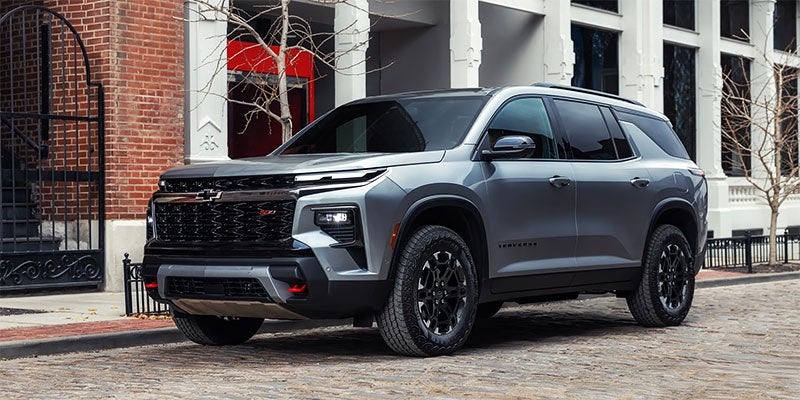
2027 Chevrolet Traverse: Four Trims, One Big Decision for Minnesota Families Choosing a family SUV shouldn't require the negotiating skills of a hostage specialist. Yet the 2027 Chevrolet Traverse offers four trims with enough differences to make things interesting. The LT handles everyday family duties, the Z71 tackles rougher terrain, the RS adds sporting character, and the High Country brings luxury. All share a 2.5L turbocharged engine producing 328 hp and 326 lbs. ft. of torque, paired with an 8-speed automatic transmission. For families in Hibbing, MN, there's a Traverse for nearly every adventure. Traverse LT: The Family Workhorse The LT proves you don't need the fanciest trim to get substantial equipment. A massive 17.7-inch touchscreen sits alongside an 11-inch digital driver display, while wireless phone charging and an AutoSense Power Liftgate add convenience. Seating accommodates 7 passengers with captain's chairs or 8 with the available second-row bench. Front-wheel drive comes standard, with AWD available for Minnesota winters. Available Super Cruise® adds hands-free driving assistance on compatible roads. It's a well-equipped family SUV without unnecessary theatrics. Traverse Z71: When the Road Gets Interesting The Z71 is for families who occasionally discover that the road has turned into gravel, mud, or something resembling a frozen potato field. Its standard twin-clutch AWD system can distribute torque between the rear wheels, improving traction when conditions become challenging. An off-road-tuned suspension, skid plate, Terrain Mode, and Hill Descent Control provide additional capability. The 18-inch wheels wear all-terrain tires, giving the Z71 a tougher stance. It won't replace a dedicated rock crawler, but snowy driveways and rough access roads are comfortably within its intended territory. Traverse RS: Sporty Without Sacrificing Space The RS brings a more aggressive appearance with 22-inch black wheels, dark exterior accents, distinctive badging, and red interior details. A flat-bottom steering wheel adds sporting character, although the engine remains identical to the other trims. Standard Super Cruise® provides hands-free assistance under approved conditions, while ventilated front seats improve comfort. The 2027 model also introduces Cabin Glance, an interior camera that displays rear passengers on the touchscreen. Parents can finally investigate suspicious back-seat silence without performing an awkward neck-twisting maneuver. Traverse High Country: First-Class Family Travel The High Country exchanges the RS's sporty attitude for luxury. Its distinctive grille, 22-inch wheels, and updated badging establish the exterior identity. Inside, Jet Black upholstery with Natural Tan accents, real wood trim, and premium seating details create a more sophisticated cabin. Heated rear outboard seats and ventilated front seats help passengers cope with Minnesota's dramatic temperature changes. Standard Super Cruise® and Cabin Glance add convenience. It's designed for families who spend enough time traveling to appreciate the finer details. Technology That Keeps Everyone Connected The Traverse offers up to 98 cubic feet of cargo space and can tow up to 5,000 lbs. when properly equipped. Available Surround Vision Recorder and Security Recording add camera-based functionality, with compatible USB storage required for saved footage. Super Cruise® can reduce driving workload on compatible roads, although drivers must remain attentive. These features complement the Traverse's generous passenger space and family-oriented design. Which Traverse Should You Choose? The LT delivers versatility, the Z71 adds traction-focused hardware, the RS emphasizes sporty styling, and the High Country prioritizes comfort. None changes the fundamental Traverse formula: strong turbocharged performance, three rows of seating, and substantial cargo capacity. Visit North Country Chevrolet in Hibbing, MN, to compare the 2027 Traverse lineup and explore available equipment. Schedule a test drive online today. The right trim becomes considerably easier to identify once you've experienced it firsthand.

Horsepower vs Torque: What It Means for You

Horsepower vs Torque: What It Means for You

Horsepower vs Torque: What You Need to Know Before Buying Your Next Chevy Shopping for a new vehicle involves comparing endless specifications, and understanding the difference between horsepower and torque makes that process much easier. Knowing how these numbers work on the road helps you choose the right vehicle for your lifestyle. Contact our team at North Country Chevrolet in Hibbing, MN, to get more information and find the right match for your driving needs. What the Numbers Mean Horsepower and torque both measure engine output, yet they perform distinct jobs. Torque measures rotational force, determining how much weight an engine can push or pull. Horsepower measures how quickly the engine sustains that force over time. Simply put, torque gets your vehicle moving from a standstill, while horsepower maintains your speed down the highway. What This Means While You Are Shopping Comparing Chevrolet models at North Country Chevrolet is simpler when you match these ratings to your daily routine. If you regularly haul equipment or pull heavy trailers, prioritize high torque. Models like the 2026 Silverado HD and 2026 Colorado deliver strong low-end pulling power built for demanding jobs. For daily commuting across varying road conditions in Hibbing, MN, a balanced engine output works best. SUVs like the 2027 Equinox and 2026 Blazer provide smooth, responsive power suited for everyday driving. For pure speed and track-inspired capability, the Corvette Stingray and Corvette Z06 feature high-revving engines where horsepower takes center stage. What This Means Behind the Wheel You feel torque the moment you press the accelerator from a complete stop. That immediate surge of pulling power helps a 2026 Silverado 1500 move heavy loads off the line and allows an Equinox to merge onto busy highways. Electric models like the Silverado EV and Equinox EV generate instant torque from electric motors, offering immediate response as soon as you press the pedal. Horsepower takes over as you build speed. Vehicles with higher horsepower ratings feel energetic and responsive during highway passing and spirited drives. Finding the Right Balance for You Every Chevrolet model balances horsepower and torque to fit a specific purpose. Focus on high torque for towing, hauling, or navigating tough terrain. Look for higher horsepower if you want brisk highway acceleration and sporty performance. If your daily routine requires a mix of both, the Chevrolet lineup offers plenty of versatile options. Visit North Country Chevrolet to Explore the Lineup Understanding horsepower and torque gives you a clear advantage as a buyer. Drivers throughout Hibbing, MN, can experience the Chevrolet lineup in person at North Country Chevrolet or by browsing our current inventory. Reach out to our team today to schedule a test drive and feel the difference for yourself.

What Does an Alternator Do in Your Chevy?

What Does an Alternator Do in Your Chevy?

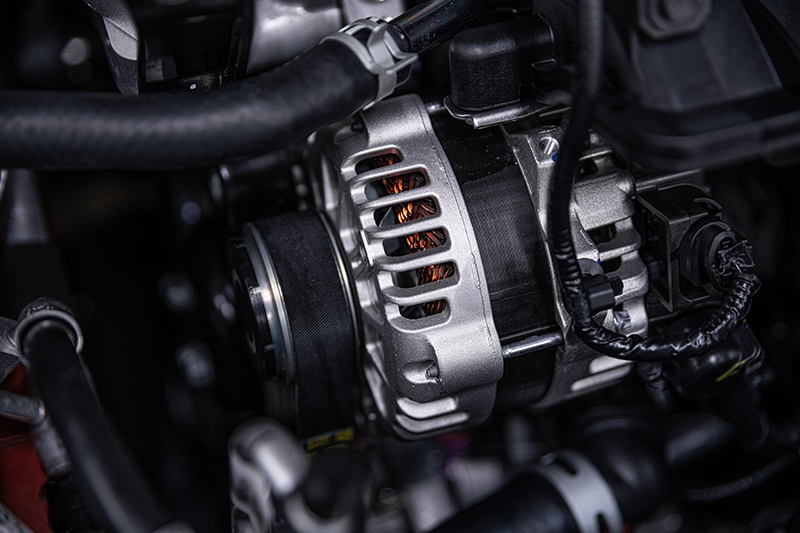
What Does an Alternator Do in Your Chevrolet and When Should You Replace It? Turning the key only to hear a click is a frustrating experience for any driver. Your Chevrolet is built for dependability, but even reliable vehicles have components that need attention over time. One of the most important and often overlooked parts in the engine bay is the alternator. Understanding what this component does helps prevent unexpected breakdowns, and the team at North Country Chevrolet in Hibbing, MN is always available if you want to reach out for more information about your vehicle. What Is an Alternator? The alternator is a generator that converts mechanical energy from your engine into electrical energy. It works continuously while your vehicle runs, recharging your battery and powering your electrical systems. Without a functioning alternator, your Chevy cannot sustain power to the lights, infotainment system, or climate controls. It acts as the heartbeat of your electrical system. What Does the Alternator Actually Power? While your battery handles the initial startup, the alternator takes over immediately after the engine turns over. It supplies power to nearly everything electrical in your vehicle, including the headlights, dashboard displays, power windows, and onboard charging ports. Modern Chevrolet vehicles feature advanced touchscreens and connected services, forcing the alternator to work hard to keep everything running smoothly. A failing alternator disrupts all of these systems simultaneously. Does an Alternator Require Maintenance? Alternators are low-maintenance components, though a few related parts require periodic checks. The serpentine belt connects the alternator to the engine, and a worn, cracked, or loose belt reduces charging performance. Certified technicians can inspect this belt, along with the alternator wiring and connections, for corrosion during routine service visits. Keeping your battery in good condition also prevents unnecessary strain on the alternator and extends its lifespan. How Do You Know When to Repair or Replace an Alternator? Recognizing failing alternator symptoms early helps you avoid getting stranded. A battery-shaped dashboard warning light, dimming headlights while idling, erratic accessories, a burning rubber smell, or a whining noise all point to potential trouble. If a new battery keeps dying, the alternator is likely failing to recharge it. Alternators typically last between 80,000 and 150,000 miles, and harsh winter weather can place extra stress on your electrical system. Take Care of Your Chevy's Electrical Health Your alternator plays a critical role in keeping your Chevrolet running reliably every day. Understanding its function, watching for warning signs, and scheduling regular inspections will help you avoid unexpected roadside trouble. If you have concerns about your electrical system, the certified service team at North Country Chevrolet in Hibbing, MN is ready to help. Schedule your next service appointment through our online portal today.

2026 Chevrolet Silverado 1500 - Which Chevrolet Is Built for Your Trailer? A Towing Guide From Colorado to Silverado HD

Towing with Chevrolet: Best Models for the Job 

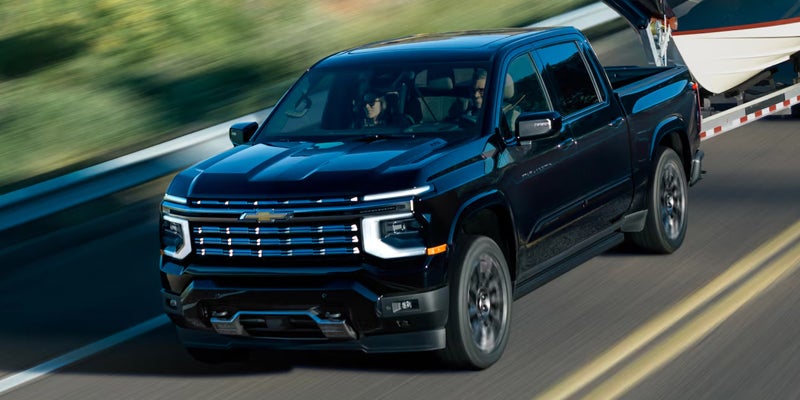
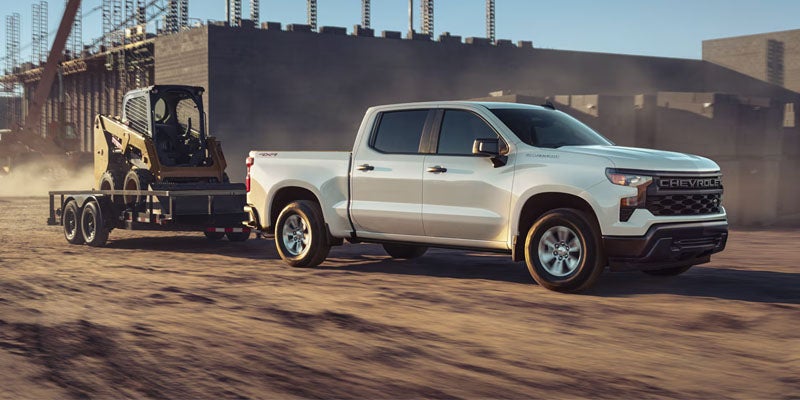
Which Chevrolet Is Built for Your Trailer? A Towing Guide From Colorado to Silverado HD Chevrolet towing capacity covers a huge range. A Colorado can handle a smaller camper or pair of ATVs, while a properly equipped Silverado 3500HD can pull a 36,000-lb. gooseneck or fifth-wheel trailer. Between those extremes are the Silverado 1500, Silverado 2500HD, Tahoe, Suburban, and other Chevrolet models designed for different combinations of passengers, cargo, and trailers. For drivers around Hibbing, MN, choosing the right tow vehicle starts with knowing the loaded weight of the trailer and then matching it to the correct Chevrolet model and configuration. Silverado 1500 Covers a Lot of Ground at 13,300 Lbs. The 2026 Chevrolet Silverado 1500 reaches a maximum available towing capacity of 13,300 lbs. when properly equipped, putting travel trailers, boats, car haulers, and other substantial loads within its range. The available Duramax® 3.0L Turbo-Diesel is one of the powertrain choices available for serious trailering, while the 6.2L V8 provides a gas-engine alternative in applicable configurations. The important detail when comparing Silverado 1500 inventory is that the maximum number doesn't apply to every truck. Engine, cab, bed, drivetrain, axle, and trailering equipment influence the rating, so buyers should compare the Silverado 1500 towing specifications for the exact configuration they're considering instead of shopping by the headline number alone. Silverado HD Is Where the Numbers Get Serious When 13,300 lbs. isn't enough, the Chevrolet Silverado HD lineup moves into another towing category. The 2026 Silverado 2500HD can tow up to 22,500 lbs. when properly equipped, while the Silverado 3500HD reaches 36,000 lbs. with the available 6.6L Duramax® Turbo-Diesel V8 and the appropriate gooseneck/fifth-wheel configuration. Those ratings make Silverado HD worth examining for large campers, livestock trailers, commercial equipment, and other heavy loads. Buyers comparing Silverado 2500HD and 3500HD models should also pay attention to payload and hitch configuration, because trailer pin or tongue weight becomes part of the truck's load. The biggest tow rating on the page isn't automatically the right truck for every trailer. Colorado Brings 7,700 Lbs. to the Midsize Class Not everyone in Hibbing needs an HD pickup sitting in the driveway. The 2026 Chevrolet Colorado offers up to 7,700 lbs. of maximum available towing capacity when properly equipped, giving buyers another option for pop-up campers, utility trailers, ATVs, snowmobiles, personal watercraft, and other lighter recreational loads. Its standard 2.7L TurboMax ™ engine produces 430 lbs. ft. of torque, providing substantial low-end output without moving into a full-size truck. Drivers can also compare Colorado off-road models when reaching campsites, trails, or boat launches requires more capability after the trailer is disconnected. That combination makes the Chevrolet Colorado lineup an important place to look before assuming every towing job requires a Silverado. Tahoe and Suburban Let You Tow with the Family Aboard Chevrolet SUVs add another possibility when passenger capacity is as important as trailer capability. Properly equipped with the Max Trailering Package, the 2026 Chevrolet Tahoe can tow up to 8,400 lbs., while properly equipped Suburban models reach up to 8,200 lbs. These full-size SUVs can accommodate trailers while retaining the cabin space families expect from the Chevrolet Tahoe and Suburban lineup. The Traverse provides an additional option for lighter towing needs, but buyers should still check the rating of the individual configuration before connecting a trailer. If the trip involves people, luggage, and something substantial attached to the hitch, comparing Chevrolet SUV towing capacity can make just as much sense as heading directly to the truck inventory. Start With Trailer Weight, Then Pick the Chevrolet Travel trailers, boats, car haulers, utility trailers, snowmobiles, ATVs, and personal watercraft all place different demands on a tow vehicle. Know the trailer's loaded weight, account for passengers and cargo, and check the vehicle's payload rating along with its maximum towing capacity. Proper hitch equipment matters as well, so owners preparing an existing Chevrolet for towing should consider having the truck inspected through a Chevrolet service center and checking genuine Chevrolet parts and trailering accessories before the season begins. Tires, brakes, fluids, hitch components, and trailer connections deserve attention before a heavy load heads onto Minnesota roads. Compare Chevrolet Tow Vehicles in Hibbing From the 7,700-lb. maximum available towing capacity of the Colorado to the 36,000-lb. maximum of a properly equipped Silverado 3500HD, Chevrolet gives Hibbing drivers several distinct levels of capability. North Country Chevrolet can help shoppers explore new Chevrolet inventory, compare Colorado, Silverado 1500, Silverado HD, Tahoe, and Suburban configurations, and identify the equipment required for their trailer. Owners preparing a current truck for hauling can also schedule Chevrolet service online, while shoppers can schedule a test drive online after narrowing the search to the Chevy built for the load.

2027 Chevrolet Equinox - Adaptive Cruise Control: Technology Is Best When It Knows Its Place

What Is Adaptive Cruise Control? A Driver's Guide

Adaptive Cruise Control: Technology Is Best When It Knows Its Place The most successful technology in a car doesn't demand attention. It removes a small burden and allows the driver to concentrate on the larger task. Adaptive Cruise Control fits that description rather well. Available on select Chevrolet models and configurations, it develops the familiar idea of cruise control by responding to traffic ahead instead of blindly maintaining one speed. For drivers around Hibbing, MN, particularly those spending long periods on highways, it's an excellent example of technology designed around how people use cars rather than technology added simply because it can be. The Basic Idea Is Beautifully Simple Traditional cruise control maintains a speed selected by the driver. Adaptive Cruise Control adds the ability to respond to a vehicle ahead. Using the vehicle's sensing technology, the system monitors traffic in front and can adjust speed to help maintain a selected following gap. If traffic slows, the Chevrolet can reduce its speed; when the road ahead clears, it can accelerate toward the original set speed. The precise capabilities vary by model, equipment, and system, which makes comparing Chevrolet technology and available driver-assistance features worthwhile when exploring new inventory. Good Technology Removes Repetition The difference becomes apparent on a busy highway. Traditional cruise control works perfectly well until another vehicle enters your lane travelling more slowly. Then the driver brakes, cancels the system, waits, accelerates, and sets the speed again. Adaptive Cruise Control is designed to manage much of that repetitive adjustment while the system is active and operating within its limitations. Some versions may provide additional low-speed functionality, depending on the Chevrolet model and equipment. It doesn't transform the car into an autonomous vehicle, nor should it. The driver remains responsible for controlling the vehicle and paying attention to surrounding traffic. The Benefit Is Less Work, Not Less Driving Long journeys contain an extraordinary amount of tiny adjustment. A little more accelerator, a little less, then back to the original speed because someone has changed lanes. None of this is difficult, but repeated for hours it becomes tiring. Adaptive Cruise Control can reduce some of that workload by managing speed relative to traffic ahead. It may also encourage smoother progress because acceleration and deceleration can be handled without constant pedal inputs. The objective isn't to separate the driver from the car. Done properly, the technology removes repetitive work while leaving the important decisions with the person behind the wheel. The Controls Should Be Easy to Understand Operation varies among Chevrolet models and model years, so the owner's manual remains the correct guide for the specific vehicle. Generally, the driver activates cruise control, selects a desired speed, and chooses an available following-gap setting through the steering-wheel controls. The system then adjusts vehicle speed when it detects slower traffic ahead. The driver must remain attentive and prepared to brake or take control whenever conditions require it. If you're considering a Chevrolet equipped with Adaptive Cruise Control, a test drive is far more useful than simply reading its name on a feature list. You'll quickly understand how naturally the system fits your driving style. Not Every Chevrolet Is Equipped in the Same Way Adaptive Cruise Control availability can differ by model, trim, package, and model year, so shoppers shouldn't assume every vehicle on the lot includes identical functionality. This is where comparing Chevrolet trims and driver-assistance packages becomes important. Drivers can review current Chevrolet inventory and identify vehicles equipped with the technology they value instead of paying attention only to screen sizes and lengthy equipment lists. A well-designed vehicle isn't the one containing the most features. It's the one in which the useful features work together coherently. Try the Technology from the Driver's Seat North Country Chevrolet can help Hibbing, MN, shoppers compare new Chevrolet models, available trims, driver-assistance technology, and Adaptive Cruise Control availability. The team can also explain the controls and demonstrate how equipped systems operate before you choose a vehicle. Explore new Chevrolet inventory, compare financing and trade-in options, and find the combination of technology and capability that suits the way you drive. Then experience Adaptive Cruise Control where its design makes the most sense—on the road—and schedule a test drive online now.

Your Chevrolet Extended Warranty Questions Answered 

Your Chevrolet Extended Warranty Questions Answered

If you've ever wondered what happens when something goes wrong with your vehicle after you drive off the lot, you're not the only one. Understanding your extended warranty options is one of the best things you can do as a Chevrolet owner. No matter if you just purchased a new Silverado, or you've driven your Equinox around Hibbing, MN for a few years, knowing what's covered - and what isn't - gives you security. What Is a Manufacturer's Warranty? When you buy a new Chevrolet, it comes with a factory-backed manufacturer's warranty at no extra cost. This is Chevrolet's promise to repair or replace certain parts if they fail due to defects in materials or workmanship. The standard Chevrolet warranty includes a 3-year/36,000-mile bumper-to-bumper warranty and a 5-year/60,000-mile powertrain warranty. These coverages are automatic and apply from the date of purchase. They're a strong starting point, but they do have an expiration date - which is where an extended warranty becomes worth considering. What Types of Warranty Coverage Are Available? Understanding the different categories of Chevrolet warranty protection helps you make a more informed decision. Here's a breakdown of the most common types: Bumper-to-Bumper Coverage handles most components of the vehicle, from electrical systems to air conditioning. It's the most comprehensive factory coverage available. Powertrain Coverage focuses on the engine, transmission, and drivetrain - the components that make your vehicle move. This is often the most costly to repair, so powertrain protection is especially valuable. Corrosion Coverage protects against rust-through on body panels and is included with new Chevrolet vehicles for 3 years/36,000 miles for surface corrosion and 6 years/100,000 miles for perforation. Roadside Assistance is included with new Chevrolet vehicles and covers things like flat tires, towing, and lockouts for 5 years/60,000 miles. What Is a Chevrolet Extended Warranty? Once your factory coverage expires, a Chevrolet extended warranty - also called a Chevrolet Protection Plan - can pick up where the original warranty leaves off. These plans are offered through GM and can be purchased new or while your factory coverage is still active. An extended warranty can cover major mechanical and electrical components depending on the plan level you choose. Options typically range from powertrain-only plans to more comprehensive coverage that mirrors the original bumper-to-bumper protection. A Chevrolet warranty extension through an authorized provider ensures repairs are made with genuine GM parts by certified technicians. What Does an Extended Warranty Cover? Coverage depends on the plan you select, but most extended warranty options for Chevrolet vehicles include some combination of the following: Engine components, transmission parts, drive axles, steering systems, brake components, electrical systems, and air conditioning. Higher-tier plans may also include technology components like the touchscreen, sensors, and driver assistance systems. It's important to read the terms carefully. Most plans exclude regular maintenance items like oil changes, brake pads, and wiper blades. Those are considered normal wear and are your responsibility as the owner. How Do You Make a Warranty Claim? Making a claim under your Chevrolet extended warranty is fairly simple. Bring your vehicle to an authorized Chevrolet dealership - one that can verify your coverage and perform repairs using approved methods and parts. Have your warranty documentation on hand, including your plan number and purchase date. The service team will diagnose the issue, confirm it falls within your coverage terms, and proceed with the repair. In most cases, you'll only be responsible for a deductible, if one applies to your plan. Keeping records of your maintenance history is a good habit, as it can support your claim if questions arise. Visit North Country Chevrolet for Warranty Help So, if you're shopping for a new Chevrolet or trying to understand your current coverage, the team at North Country Chevrolet is here to help. Drivers throughout Hibbing, MN, can count on our knowledgeable staff to walk them through their extended warranty options and find a plan that fits their budget and driving habits. Stop in and see the team at North Country Chevrolet or make an appointment today to learn more.

What Are Spark Plugs and When Should You Replace Them? 

What Are Spark Plugs and When Should You Replace Them?

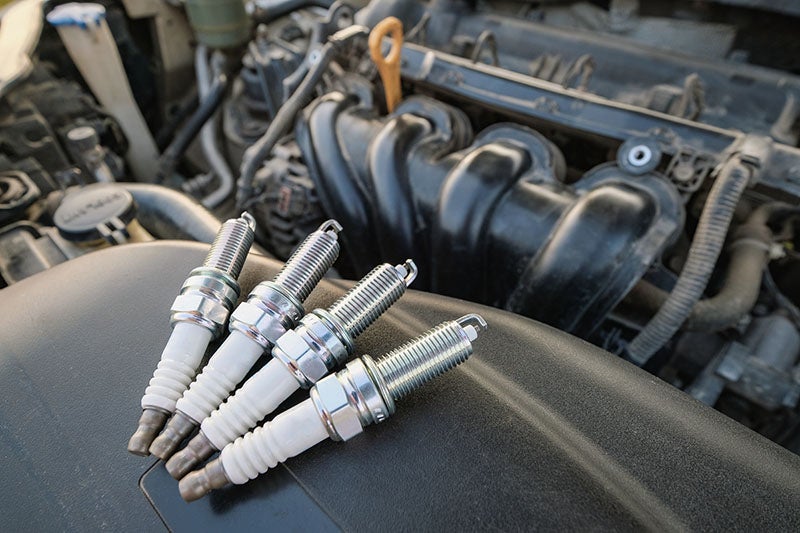
Spark plugs are small but essential components in your engine. Each one generates an electrical spark that ignites the air-fuel mixture inside the combustion chamber, which is what powers your vehicle. Without functioning spark plugs, your engine simply cannot run. Most Chevrolet vehicles use one spark plug per cylinder. A 4-cylinder engine has four, a V6 has six, and a V8 has eight. These parts fire thousands of times per minute, so even minor wear can have a noticeable impact on how your vehicle performs. Also, spark plugs need to be replaced from time to time. Keep reading to know the signs that your plugs need to be replaced and where to get expert service in Hibbing, Minn. How to Tell When Spark Plugs Need to Be Replaced One of the most common warning signs is when your car is hard to start. If you turn the key and the engine hesitates, cranks longer than usual, or struggles to fire up, worn spark plugs may be the cause. Other symptoms include rough idling, engine misfires, reduced acceleration, and lower fuel efficiency. You may also notice your engine feels sluggish during normal driving. In some cases, you might see the check engine light come on. If your car is hard to start on a regular basis and other causes have been ruled out, it is worth having the vehicle inspected right away. How Often Should Spark Plugs Be Replaced? Replacement intervals vary depending on the type of spark plug your vehicle uses. Copper spark plugs typically need to be replaced every 30,000 miles. Platinum and iridium spark plugs can last between 60,000 and 100,000 miles or more. Always refer to your owner's manual for the manufacturer-recommended interval specific to your vehicle. Driving conditions also play a role. Short trips, stop-and-go traffic, and extreme weather can cause spark plugs to wear faster. Drivers who deal with cold winters may find that worn spark plugs make cold-weather starting even more difficult than usual. What Spark Plug Maintenance Looks Like Spark plug maintenance is fairly simple, but it does require the right tools and knowledge to do properly. During an inspection, a technician will remove each plug, check for wear or deposits, and measure the electrode gap. Plugs that are fouled with oil or carbon buildup, cracked, or worn down will need to be replaced. It is also a good idea to inspect the ignition wires and coil packs at the same time, as these components work together with the spark plugs. Catching a problem with any one of them early can prevent more expensive repairs down the road. Visit a Certified Service Center for Spark Plug Replacement When spark plug service is done by trained technicians, you know the job is done correctly with the right parts for your specific vehicle. North Country Chevrolet's Certified Service Center uses OEM-approved components, which helps maintain engine performance and reliability. So, if your car is hard to start or you simply want to stay ahead of routine maintenance, scheduling a service appointment is a smart move. Is It Time to Check Your Spark Plugs? Spark plugs are easy to overlook because they are out of sight, but they have a direct impact on how your vehicle starts, runs, and performs every day. If you have noticed any warning signs - rough idling, reduced power, or a car that is hard to start - do not wait. Stop by North Country Chevrolet or schedule a service visit to get your vehicle inspected and keep your Chevrolet performing at its best.

Air Conditioning and AC Not Working: Common Chevrolet AC Problems and Solutions

Air Conditioning and AC Not Working: Common Chevrolet AC Problems and Solutions

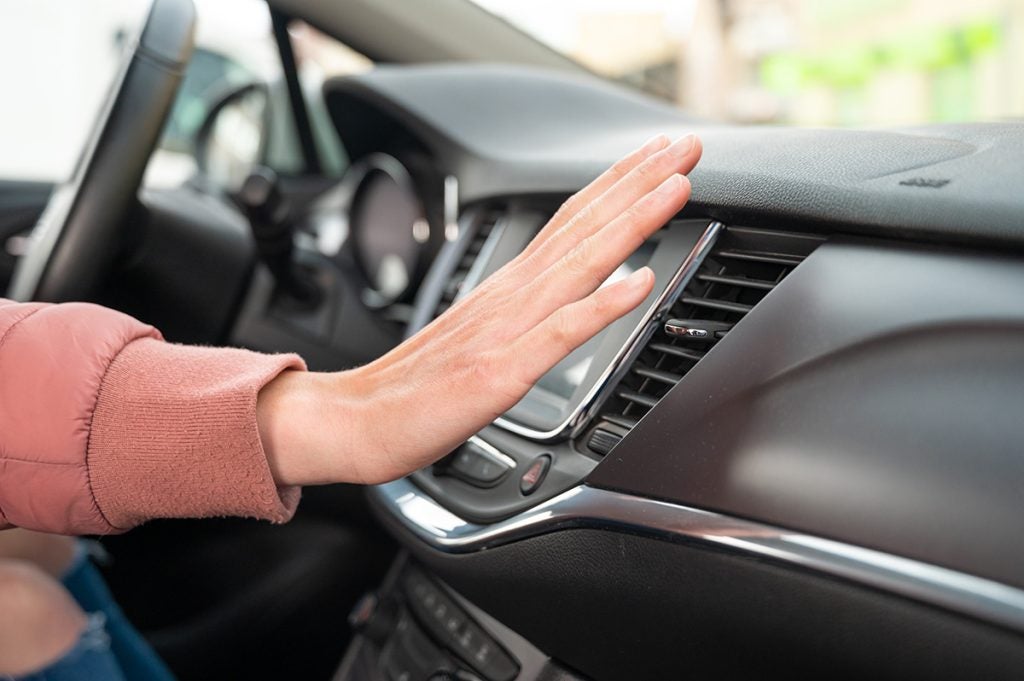
A properly functioning air conditioning system helps keep your Chevrolet comfortable during warm weather and changing seasons. Whether you are commuting, taking a road trip, or handling daily errands, a reliable AC system makes every drive more enjoyable. When your air conditioning stops working or begins blowing warm air, understanding common causes can help you determine when service may be needed. At North Country Chevrolet in Hibbing, MN, we help Chevrolet drivers understand vehicle maintenance concerns, including air conditioning problems and AC system repairs. Whether you drive a Chevrolet Silverado, Equinox, Traverse, Tahoe, or another Chevy model, our service team can help diagnose AC concerns and keep your vehicle ready for every season. How Does Your Chevrolet Air Conditioning System Work? Your Chevrolet’s air conditioning system uses several components that work together to cool and circulate air throughout the cabin. The system removes heat and humidity from the interior before delivering cool air through the vents. Key AC components include: Compressor that circulates refrigerant through the system Condenser that releases heat from refrigerant Evaporator that cools air before it enters the cabin Refrigerant that transfers heat during the cooling process Blower motor that moves air through the vents Cabin air filter that helps maintain air quality When any of these components experience an issue, your Chevrolet AC system may not cool properly. Why Is My Chevrolet Air Conditioning Not Working? There are several reasons why your vehicle’s air conditioning may stop working or fail to produce cold air. Some problems are simple maintenance issues, while others require professional diagnosis. Common causes of AC problems include: Low refrigerant levels A damaged AC compressor Electrical problems A clogged cabin air filter Faulty sensors Condenser damage Blower motor issues Identifying the exact cause requires a proper inspection of the complete air conditioning system. Why Is My Air Conditioning Blowing Warm Air? One of the most common complaints from drivers is an AC system that blows warm air instead of cool air. This issue may occur for several reasons. Possible causes of warm air from your Chevrolet AC include: Low refrigerant caused by a leak Compressor failure Blocked airflow Electrical system concerns Cooling fan problems If your AC begins blowing warm air, scheduling an inspection can help determine whether the issue involves refrigerant, mechanical components, or electrical systems. What Does Refrigerant Do in a Chevrolet AC System? Refrigerant is a fluid that helps your vehicle’s air conditioning system absorb and remove heat from the cabin. It moves through the AC system, changing pressure and temperature as it cycles between components. Low refrigerant levels may cause: Warm air from the vents Reduced cooling performance Longer cooling times AC system strain Refrigerant does not typically disappear during normal operation, so low levels may indicate a leak or another system concern. How Do I Know If My AC Compressor Is Bad? The AC compressor is one of the most important parts of your vehicle’s cooling system. It pressurizes refrigerant and allows the AC system to produce cool air. Signs of a possible AC compressor issue include: Warm air from the vents Unusual noises when AC is turned on AC system cycling incorrectly Reduced cooling performance Visible leaks near AC components Because the compressor is connected to multiple AC components, professional testing can help determine whether it needs repair or replacement. Can a Dirty Cabin Air Filter Affect AC Performance? Yes, a clogged cabin air filter can reduce airflow and affect how well your Chevrolet’s air conditioning system performs. The cabin air filter helps prevent dust, pollen, and debris from entering the interior. A dirty filter may cause: Weak airflow from vents Reduced cooling effectiveness Unpleasant odors inside the vehicle Increased strain on the blower motor Replacing the cabin air filter as recommended helps maintain proper airflow and interior comfort. How Often Should You Service Your Chevrolet AC System? Your Chevrolet AC system should be inspected as part of routine vehicle maintenance, especially if you notice changes in cooling performance. Regular inspections can help identify small issues before they become larger concerns. AC service may include: Checking refrigerant levels Inspecting AC components Testing system performance Checking airflow Evaluating electrical connections Maintaining your air conditioning system helps support dependable performance when temperatures rise. Why Is My AC Making Strange Noises? Unusual sounds from your Chevrolet’s AC system may indicate a component issue. Different noises can point to different concerns. Common AC-related sounds include: Clicking noises when the system turns on Hissing sounds from refrigerant leaks Grinding noises from worn components Rattling caused by loose parts If you hear unusual sounds while using your AC, scheduling a service inspection can help identify the source. How Can I Keep My Chevrolet AC Working Properly? Preventive maintenance can help your air conditioning system operate efficiently throughout the year. Simple habits and regular service appointments can support long-term AC performance. Helpful AC maintenance tips include: Run the AC periodically, even during cooler months Replace the cabin air filter when recommended Schedule inspections if cooling performance changes Keep the front grille area clear of debris Address unusual AC noises quickly Taking care of your AC system helps maintain a comfortable driving environment. Chevrolet AC Service at North Country Chevrolet When your Chevrolet air conditioning system is not working properly, professional service can help restore comfort and confidence behind the wheel. From warm air concerns to airflow problems, trained technicians can inspect the system and identify the right solution. At North Country Chevrolet in Hibbing, MN, our service team provides expert maintenance and repair support for Chevrolet vehicles. Whether your AC is blowing warm air, making unusual noises, or not working at all, we are ready to help diagnose the issue. Schedule your next service appointment with North Country Chevrolet and keep your Chevrolet comfortable throughout every season.

Coolant and Engine Overheating: What Every Chevrolet Driver Should Know

Coolant and Engine Overheating: What Every Chevrolet Driver Should Know

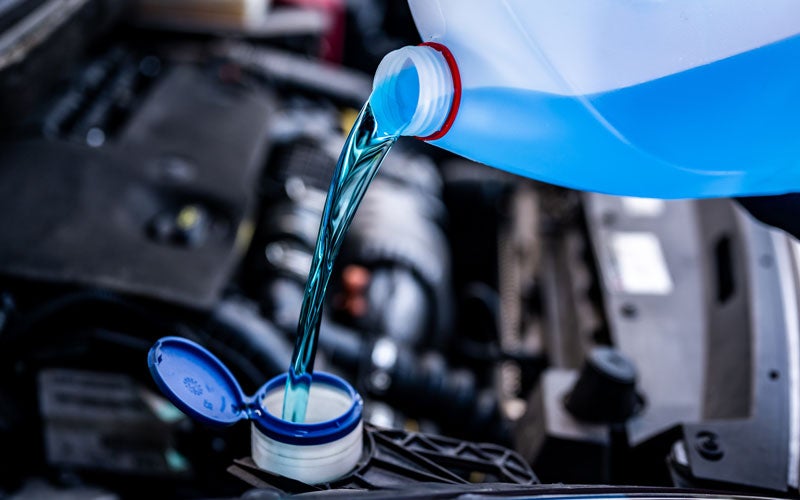
Your Chevrolet’s cooling system plays a critical role in maintaining proper engine temperature and protecting important components. Coolant helps regulate heat produced during combustion, allowing your engine to operate efficiently under different driving conditions. When coolant levels drop or cooling system components develop issues, engine overheating can occur and lead to serious concerns. At North Country Chevrolet in Hibbing, MN, we help drivers understand the importance of coolant maintenance and recognize early signs of engine overheating. Whether you drive a Chevrolet Silverado, Equinox, Traverse, Tahoe, or another Chevy model, keeping your cooling system in good condition supports reliable performance throughout every season. What Is Coolant and Why Does Your Chevrolet Need It? Coolant, also known as antifreeze, is a fluid designed to help regulate engine temperature. It circulates through the engine and radiator, absorbing excess heat before releasing it through the cooling system. Without properly maintained coolant, your engine may not be able to manage the heat created during normal operation. This can cause temperatures to rise beyond safe levels. Coolant helps your Chevrolet by: Regulating engine operating temperature Preventing overheating during demanding driving conditions Protecting against freezing in cold weather Reducing corrosion inside the cooling system Supporting proper engine performance Using the correct coolant recommended for your Chevrolet is essential for maintaining the cooling system’s effectiveness. What Causes an Engine to Overheat? Engine overheating occurs when the cooling system cannot remove enough heat from the engine. Several issues can contribute to rising temperatures, from low coolant levels to mechanical concerns. Common causes of engine overheating include: Low coolant levels Coolant leaks A damaged radiator A failing thermostat A malfunctioning water pump A worn radiator hose Cooling fan problems Identifying the cause early can help prevent additional engine damage and keep repair needs from becoming more extensive. How Do I Know If My Engine Is Overheating? Your Chevrolet may provide several warning signs when the engine temperature becomes too high. Recognizing these signs allows you to respond quickly and protect your vehicle. Signs of engine overheating may include: Temperature gauge rising into the red zone Steam coming from under the hood Coolant warning lights appearing on the dashboard Reduced engine performance A sweet smell from leaking coolant Unusual noises from the engine compartment If you notice these symptoms, safely pull over when possible and allow the engine to cool before attempting any inspection. What Should You Do If Your Chevrolet Overheats? An overheating engine requires immediate attention. Continuing to drive while the engine temperature is too high may cause damage to internal components. If your Chevrolet begins overheating: Safely pull over and turn off the engine Allow the vehicle to cool before checking under the hood Avoid opening the radiator cap while the engine is hot Check coolant levels only after the system has cooled Schedule an inspection if overheating continues The cooling system operates under pressure, so opening components while hot can be dangerous. Allowing proper cooling time is an important safety step. How Often Should You Check Coolant Levels? Checking coolant levels regularly helps ensure your Chevrolet’s cooling system has enough fluid to operate properly. While coolant does not need to be replaced as frequently as engine oil, it still requires periodic inspection. Drivers should check coolant: Before long road trips During routine maintenance visits When dashboard warning lights appear If they notice signs of a possible leak Your Chevrolet owner’s manual provides recommended maintenance intervals based on your specific model and engine. Can Low Coolant Cause Engine Overheating? Yes, low coolant levels are one of the most common reasons an engine may overheat. When there is not enough coolant circulating through the system, the engine cannot effectively transfer heat away from critical components. Low coolant may result from: Normal fluid loss over time Cracked hoses Damaged radiator components Leaking coolant reservoirs Cooling system problems If your coolant level repeatedly drops, it is important to have your vehicle inspected to identify the source of the issue. What Type of Coolant Does My Chevrolet Need? Different Chevrolet models may require specific coolant formulas designed for their engine systems. Using the correct coolant helps maintain proper temperature control and protect internal cooling components. When selecting coolant: Follow Chevrolet manufacturer recommendations Check your owner’s manual specifications Avoid mixing incompatible coolant types Consult a certified technician if you are unsure The right coolant helps your vehicle handle changing temperatures and everyday driving conditions. How Does Cold Weather Affect Your Cooling System? Drivers in Hibbing, MN, experience significant seasonal temperature changes, making proper coolant maintenance especially important. Coolant helps protect your engine from both overheating and freezing conditions. Cold weather preparation includes: Checking coolant levels before winter Inspecting hoses and belts Following recommended maintenance schedules Addressing leaks promptly A properly maintained cooling system helps your Chevrolet remain dependable during challenging weather conditions. Why Regular Cooling System Maintenance Matters Your Chevrolet’s cooling system includes several components that must work together to regulate engine temperature. Routine inspections can help identify worn parts, leaks, or fluid concerns before they affect performance. Cooling system maintenance may include: Coolant level inspections Radiator checks Hose inspections Thermostat evaluations Cooling fan testing Regular service supports long-term engine reliability and helps reduce the risk of unexpected overheating issues. Chevrolet Cooling System Service at North Country Chevrolet Coolant maintenance and engine temperature management are essential parts of keeping your Chevrolet performing properly. Understanding warning signs and maintaining your cooling system can help protect your engine through every season. At North Country Chevrolet in Hibbing, MN, our service team is ready to assist with coolant inspections, cooling system maintenance, and engine service for your Chevrolet. Whether you are experiencing overheating concerns or need routine vehicle care, we provide professional support to help keep your vehicle running smoothly. Schedule your next service appointment with North Country Chevrolet and keep your Chevrolet prepared for the road ahead.

Best Chevrolet Models for Families in Hibbing, MN

Finding the right vehicle for your family is one of the most important decisions you'll make. If you're searching for the best Chevrolet models for families in Hibbing, MN, the good news is that Chevy offers a strong lineup built around dependability, comfort, and versatility. Whether you need room for the kids, cargo space for weekend adventures, or a smooth daily commute, there's a Chevrolet family vehicle that fits your life. Why Chevrolet is a Smart Choice for Families Chevrolet has long been known for building vehicles that balance reliability with everyday practicality. For families in Hibbing, MN, where winters can be demanding and road conditions vary, having a vehicle you can count on matters. Chevrolet family vehicles come equipped with a range of safety features, modern technology, and options for all-wheel drive, making them well-suited for northern Minnesota driving. The 2027 Chevrolet Equinox - A Compact SUV With Big Appeal The 2027 Chevrolet Equinox is one of the best Chevrolet models for families who want a comfortable, right-sized SUV. It offers a practical interior, a user-friendly touchscreen, and available all-wheel drive to help handle changing weather conditions. With seating for five and a welcoming cabin layout, the Equinox is a natural fit for school runs, grocery trips, and weekend outings alike. The 2026 Chevrolet Traverse - Space for Everyone When your family needs more room, the 2026 Chevrolet Traverse delivers. This three-row SUV provides generous passenger space, a large cargo area, and a comfortable ride that makes longer drives feel effortless. It's one of the standout Chevrolet family vehicles in the lineup, offering room for up to eight passengers along with the kind of practicality that growing families appreciate. The Traverse also supports available trailering capability, adding utility when you need to haul gear for camping trips or sports equipment. The 2026 Chevrolet Tahoe - Full-Size Comfort and Capability For families who want maximum space and a commanding presence on the road, the 2026 Chevrolet Tahoe is hard to beat. As one of the best Chevrolet models for families needing serious capacity, the Tahoe seats up to nine passengers and offers a refined interior with available technology features to keep everyone connected and comfortable. Its capable powertrain and available four-wheel drive also make it a reliable choice for Minnesota winters. The 2026 Chevrolet Silverado - When Families Need a Truck Not every family drives an SUV, and the 2026 Chevrolet Silverado proves that a pickup truck can be just as family-friendly. With a spacious crew cab, a comfortable back seat, and strong available powertrains, the Silverado handles everything from daily driving to hauling firewood or a camper. It's a practical choice for families in Hibbing, MN, who need versatility beyond what a traditional SUV can offer. Visit North Country Chevrolet to Find Your Family's Next Vehicle The best Chevrolet models for families in Hibbing, MN are ready to explore at North Country Chevrolet. Whether you're drawn to a spacious SUV like the Traverse or Tahoe, a versatile Equinox, or a capable Silverado, Chevy's lineup has something built for every family's needs. Stop by at North Country Chevrolet or browse online to find the right fit and take the next step toward your family's next great vehicle.

What Is the Head-Up Display in a Chevy and Why Do Drivers Love It? 

What Is the Head-Up Display in a Chevy and Why Do Drivers Love It?

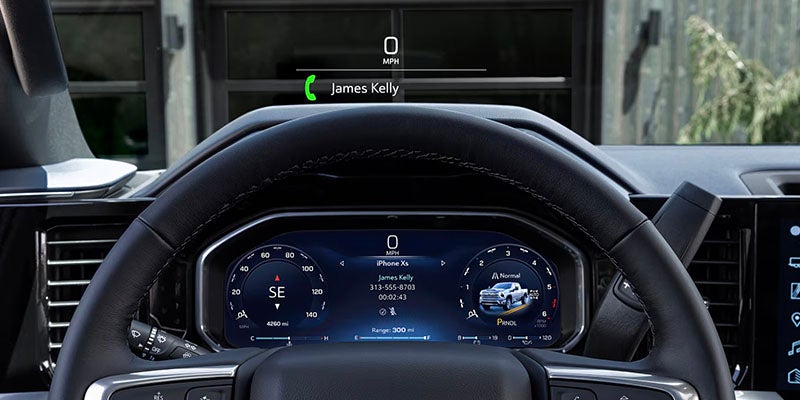
Chevrolet's available Head-Up Display needs to be talked about. It doesn't add horsepower, increase towing capacity, or transform your daily commute. What it does is reduce the number of times you need to glance away from the road, and once you've driven with it for a while, that becomes surprisingly difficult to give up. For drivers in Hibbing, MN, where changing weather conditions and long stretches of highway demand constant attention, the Chevy Head-Up Display is one of those features that quickly becomes part of your everyday routine. Bringing Important Information into Your Line of Sight The idea behind a Head-Up Display is refreshingly simple. Instead of looking down at the instrument cluster to check your speed or navigation directions, key information is projected directly onto the windshield. The display appears just above the hood line, creating the impression that the information is floating ahead of the vehicle rather than sitting on a screen inside it. The image is transparent and positioned carefully so it remains easy to read without interfering with your view of the road. What Can the Chevy Head-Up Display Show? The information displayed varies by vehicle and configuration, but the goal is always the same: provide the details drivers need most without requiring them to look away from traffic. Vehicle speed is typically front and center. Turn-by-turn navigation instructions can also appear when using compatible navigation systems, making it easier to follow directions without constantly checking the center touchscreen. Certain Chevrolet models can also display speed limit information, incoming call notifications, audio information, and select safety alerts connected to driver-assistance systems. Rather than overwhelming the driver with data, the system prioritizes the information that is most useful in the moment. A Feature That Shines on Long Drives The value of a Head-Up Display becomes most apparent during highway driving. At 70 mph, even a brief glance away from the road covers a significant amount of distance. Having your speed, navigation instructions, and important alerts directly within your field of view helps reduce distractions and keeps your attention where it belongs. The feature is equally useful when traveling through unfamiliar areas. Navigation prompts appear naturally within your line of sight, helping you prepare for upcoming turns and exits without shifting focus between multiple displays. For drivers dealing with Minnesota winters, that added awareness can be especially beneficial when visibility is limited and road conditions change quickly. Adjusting the Head-Up Display to Fit You One of the reasons Chevrolet's Head-Up Display works so well is its flexibility. Drivers can adjust the brightness, choose what information appears on the display, and reposition the image vertically so it aligns comfortably with their seating position. If multiple people regularly drive the same vehicle, these adjustments help ensure the display remains easy to see regardless of height or seating preferences. Experience Chevrolet Technology for Yourself The Head-Up Display is one of those features that is difficult to fully appreciate through specifications alone. Once you experience having key driving information presented naturally within your field of view, it quickly feels like something every vehicle should offer. Drivers throughout Hibbing, MN can visit North Country Chevrolet to explore available Chevrolet models equipped with a Head-Up Display and see firsthand how this technology can make daily driving more intuitive and connected.

Contact Us

Fill out this form below and we'll contact you shortly
*Required Fields