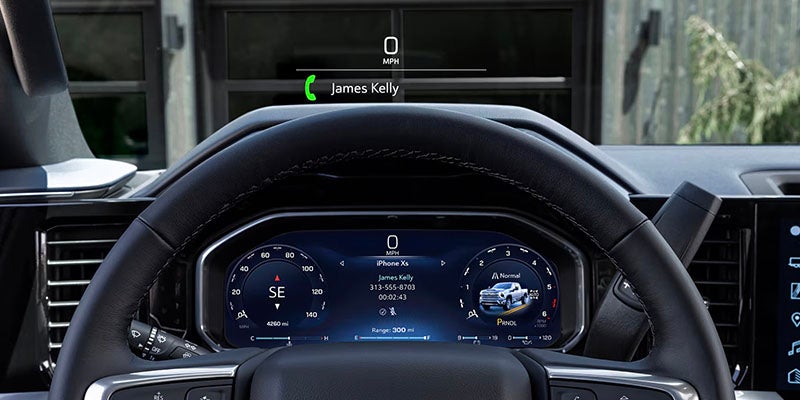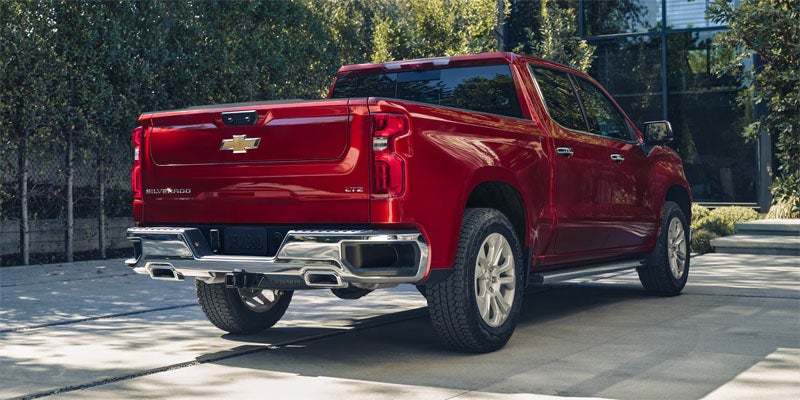





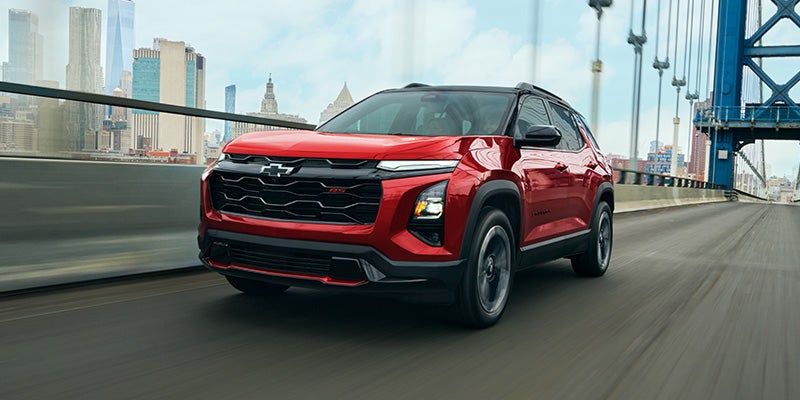
Adaptive Cruise Control: Technology Is Best When It Knows Its Place The most successful technology in a car doesn't demand attention. It removes a small burden and allows the driver to concentrate on the larger task. Adaptive Cruise Control fits that description rather well. Available on select Chevrolet models and configurations, it develops the familiar idea of cruise control by responding to traffic ahead instead of blindly maintaining one speed. For drivers around Hibbing, MN, particularly those spending long periods on highways, it's an excellent example of technology designed around how people use cars rather than technology added simply because it can be. The Basic Idea Is Beautifully Simple Traditional cruise control maintains a speed selected by the driver. Adaptive Cruise Control adds the ability to respond to a vehicle ahead. Using the vehicle's sensing technology, the system monitors traffic in front and can adjust speed to help maintain a selected following gap. If traffic slows, the Chevrolet can reduce its speed; when the road ahead clears, it can accelerate toward the original set speed. The precise capabilities vary by model, equipment, and system, which makes comparing Chevrolet technology and available driver-assistance features worthwhile when exploring new inventory. Good Technology Removes Repetition The difference becomes apparent on a busy highway. Traditional cruise control works perfectly well until another vehicle enters your lane travelling more slowly. Then the driver brakes, cancels the system, waits, accelerates, and sets the speed again. Adaptive Cruise Control is designed to manage much of that repetitive adjustment while the system is active and operating within its limitations. Some versions may provide additional low-speed functionality, depending on the Chevrolet model and equipment. It doesn't transform the car into an autonomous vehicle, nor should it. The driver remains responsible for controlling the vehicle and paying attention to surrounding traffic. The Benefit Is Less Work, Not Less Driving Long journeys contain an extraordinary amount of tiny adjustment. A little more accelerator, a little less, then back to the original speed because someone has changed lanes. None of this is difficult, but repeated for hours it becomes tiring. Adaptive Cruise Control can reduce some of that workload by managing speed relative to traffic ahead. It may also encourage smoother progress because acceleration and deceleration can be handled without constant pedal inputs. The objective isn't to separate the driver from the car. Done properly, the technology removes repetitive work while leaving the important decisions with the person behind the wheel. The Controls Should Be Easy to Understand Operation varies among Chevrolet models and model years, so the owner's manual remains the correct guide for the specific vehicle. Generally, the driver activates cruise control, selects a desired speed, and chooses an available following-gap setting through the steering-wheel controls. The system then adjusts vehicle speed when it detects slower traffic ahead. The driver must remain attentive and prepared to brake or take control whenever conditions require it. If you're considering a Chevrolet equipped with Adaptive Cruise Control, a test drive is far more useful than simply reading its name on a feature list. You'll quickly understand how naturally the system fits your driving style. Not Every Chevrolet Is Equipped in the Same Way Adaptive Cruise Control availability can differ by model, trim, package, and model year, so shoppers shouldn't assume every vehicle on the lot includes identical functionality. This is where comparing Chevrolet trims and driver-assistance packages becomes important. Drivers can review current Chevrolet inventory and identify vehicles equipped with the technology they value instead of paying attention only to screen sizes and lengthy equipment lists. A well-designed vehicle isn't the one containing the most features. It's the one in which the useful features work together coherently. Try the Technology from the Driver's Seat North Country Chevrolet can help Hibbing, MN, shoppers compare new Chevrolet models, available trims, driver-assistance technology, and Adaptive Cruise Control availability. The team can also explain the controls and demonstrate how equipped systems operate before you choose a vehicle. Explore new Chevrolet inventory, compare financing and trade-in options, and find the combination of technology and capability that suits the way you drive. Then experience Adaptive Cruise Control where its design makes the most sense—on the road—and schedule a test drive online now.
Towing with Chevrolet: Best Models for the Job
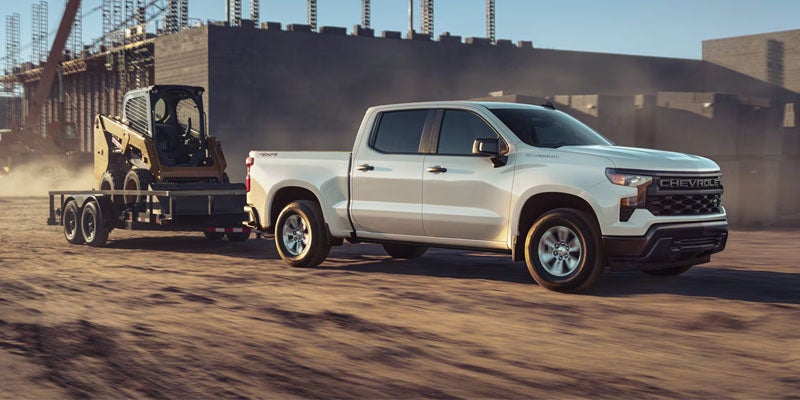
Which Chevrolet Is Built for Your Trailer? A Towing Guide From Colorado to Silverado HD Chevrolet towing capacity covers a huge range. A Colorado can handle a smaller camper or pair of ATVs, while a properly equipped Silverado 3500HD can pull a 36,000-lb. gooseneck or fifth-wheel trailer. Between those extremes are the Silverado 1500, Silverado 2500HD, Tahoe, Suburban, and other Chevrolet models designed for different combinations of passengers, cargo, and trailers. For drivers around Hibbing, MN, choosing the right tow vehicle starts with knowing the loaded weight of the trailer and then matching it to the correct Chevrolet model and configuration. Silverado 1500 Covers a Lot of Ground at 13,300 Lbs. The 2026 Chevrolet Silverado 1500 reaches a maximum available towing capacity of 13,300 lbs. when properly equipped, putting travel trailers, boats, car haulers, and other substantial loads within its range. The available Duramax® 3.0L Turbo-Diesel is one of the powertrain choices available for serious trailering, while the 6.2L V8 provides a gas-engine alternative in applicable configurations. The important detail when comparing Silverado 1500 inventory is that the maximum number doesn't apply to every truck. Engine, cab, bed, drivetrain, axle, and trailering equipment influence the rating, so buyers should compare the Silverado 1500 towing specifications for the exact configuration they're considering instead of shopping by the headline number alone. Silverado HD Is Where the Numbers Get Serious When 13,300 lbs. isn't enough, the Chevrolet Silverado HD lineup moves into another towing category. The 2026 Silverado 2500HD can tow up to 22,500 lbs. when properly equipped, while the Silverado 3500HD reaches 36,000 lbs. with the available 6.6L Duramax® Turbo-Diesel V8 and the appropriate gooseneck/fifth-wheel configuration. Those ratings make Silverado HD worth examining for large campers, livestock trailers, commercial equipment, and other heavy loads. Buyers comparing Silverado 2500HD and 3500HD models should also pay attention to payload and hitch configuration, because trailer pin or tongue weight becomes part of the truck's load. The biggest tow rating on the page isn't automatically the right truck for every trailer. Colorado Brings 7,700 Lbs. to the Midsize Class Not everyone in Hibbing needs an HD pickup sitting in the driveway. The 2026 Chevrolet Colorado offers up to 7,700 lbs. of maximum available towing capacity when properly equipped, giving buyers another option for pop-up campers, utility trailers, ATVs, snowmobiles, personal watercraft, and other lighter recreational loads. Its standard 2.7L TurboMax ™ engine produces 430 lbs. ft. of torque, providing substantial low-end output without moving into a full-size truck. Drivers can also compare Colorado off-road models when reaching campsites, trails, or boat launches requires more capability after the trailer is disconnected. That combination makes the Chevrolet Colorado lineup an important place to look before assuming every towing job requires a Silverado. Tahoe and Suburban Let You Tow with the Family Aboard Chevrolet SUVs add another possibility when passenger capacity is as important as trailer capability. Properly equipped with the Max Trailering Package, the 2026 Chevrolet Tahoe can tow up to 8,400 lbs., while properly equipped Suburban models reach up to 8,200 lbs. These full-size SUVs can accommodate trailers while retaining the cabin space families expect from the Chevrolet Tahoe and Suburban lineup. The Traverse provides an additional option for lighter towing needs, but buyers should still check the rating of the individual configuration before connecting a trailer. If the trip involves people, luggage, and something substantial attached to the hitch, comparing Chevrolet SUV towing capacity can make just as much sense as heading directly to the truck inventory. Start With Trailer Weight, Then Pick the Chevrolet Travel trailers, boats, car haulers, utility trailers, snowmobiles, ATVs, and personal watercraft all place different demands on a tow vehicle. Know the trailer's loaded weight, account for passengers and cargo, and check the vehicle's payload rating along with its maximum towing capacity. Proper hitch equipment matters as well, so owners preparing an existing Chevrolet for towing should consider having the truck inspected through a Chevrolet service center and checking genuine Chevrolet parts and trailering accessories before the season begins. Tires, brakes, fluids, hitch components, and trailer connections deserve attention before a heavy load heads onto Minnesota roads. Compare Chevrolet Tow Vehicles in Hibbing From the 7,700-lb. maximum available towing capacity of the Colorado to the 36,000-lb. maximum of a properly equipped Silverado 3500HD, Chevrolet gives Hibbing drivers several distinct levels of capability. North Country Chevrolet can help shoppers explore new Chevrolet inventory, compare Colorado, Silverado 1500, Silverado HD, Tahoe, and Suburban configurations, and identify the equipment required for their trailer. Owners preparing a current truck for hauling can also schedule Chevrolet service online, while shoppers can schedule a test drive online after narrowing the search to the Chevy built for the load.