




Blog / HIBBING Chevrolet Service

What Does an Alternator Do in Your Chevy?

What Does an Alternator Do in Your Chevy?

What Does an Alternator Do in Your Chevrolet and When Should You Replace It? 

Turning the key only to hear a click is a frustrating experience for any driver. Your Chevrolet is built for dependability, but even reliable vehicles have components that need attention over time. One of the most important and often overlooked parts in the engine bay is the alternator. Understanding what this component does helps prevent unexpected breakdowns, and the team at North Country Chevrolet in Hibbing, MN is always available if you want to reach out for more information about your vehicle. 


What Is an Alternator? 

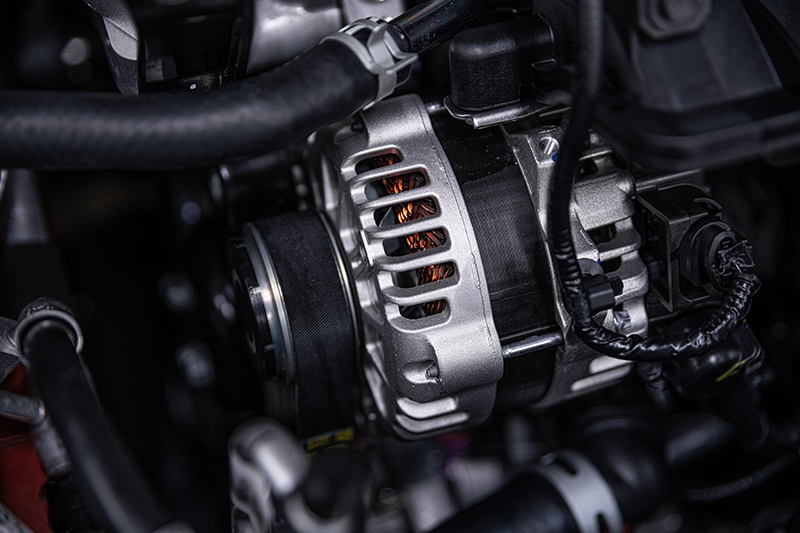
The alternator is a generator that converts mechanical energy from your engine into electrical energy. It works continuously while your vehicle runs, recharging your battery and powering your electrical systems. Without a functioning alternator, your Chevy cannot sustain power to the lights, infotainment system, or climate controls. It acts as the heartbeat of your electrical system. 


What Does the Alternator Actually Power? 

While your battery handles the initial startup, the alternator takes over immediately after the engine turns over. It supplies power to nearly everything electrical in your vehicle, including the headlights, dashboard displays, power windows, and onboard charging ports. Modern Chevrolet vehicles feature advanced touchscreens and connected services, forcing the alternator to work hard to keep everything running smoothly. A failing alternator disrupts all of these systems simultaneously. 


Does an Alternator Require Maintenance? 

Alternators are low-maintenance components, though a few related parts require periodic checks. The serpentine belt connects the alternator to the engine, and a worn, cracked, or loose belt reduces charging performance. Certified technicians can inspect this belt, along with the alternator wiring and connections, for corrosion during routine service visits. Keeping your battery in good condition also prevents unnecessary strain on the alternator and extends its lifespan. 


How Do You Know When to Repair or Replace an Alternator? 

Recognizing failing alternator symptoms early helps you avoid getting stranded. A battery-shaped dashboard warning light, dimming headlights while idling, erratic accessories, a burning rubber smell, or a whining noise all point to potential trouble. If a new battery keeps dying, the alternator is likely failing to recharge it. Alternators typically last between 80,000 and 150,000 miles, and harsh winter weather can place extra stress on your electrical system. 


Take Care of Your Chevy's Electrical Health 

Your alternator plays a critical role in keeping your Chevrolet running reliably every day. Understanding its function, watching for warning signs, and scheduling regular inspections will help you avoid unexpected roadside trouble. If you have concerns about your electrical system, the certified service team at North Country Chevrolet in Hibbing, MN is ready to help. Schedule your next service appointment through our online portal today.
Posted in:

Related Posts

A vehicle tire in the snow - Winter Maintenance

Winter Maintenance: Vehicle Tips for Hibbing, MN

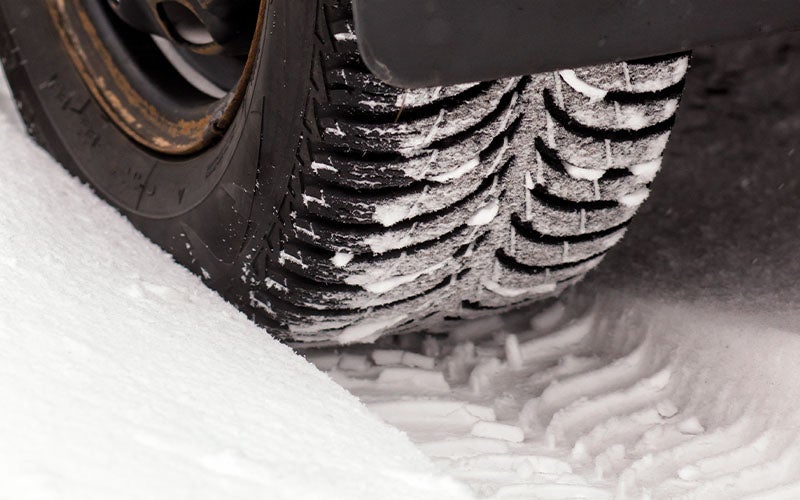
Winter in Hibbing, Minnesota, can be brutal, with heavy snowfall and icy conditions challenging even the most capable vehicles. To keep your car safe and performing at its best, proper winter vehicle maintenance is essential. Ensuring your car is ready for snow and ice not only helps you avoid unexpected breakdowns but also protects you and your passengers during the cold season. Prepare Your Car for Snow and Ice Winterizing your car starts with understanding the challenges posed by snow and ice. The first step in winter vehicle maintenance is inspecting and preparing vital components like your windshield wipers, defrosters, and battery. Cold weather can drain battery life quickly, so testing its charge can prevent inconvenient failures. Additionally, make sure your windshield wiper fluid is rated for freezing temperatures to maintain visibility during snowstorms. Checking your brakes is another critical safety measure, as icy roads demand precise stopping power. Taking these steps will give you confidence as you navigate Hibbing’s snowy streets. Tire Chains and Snow Tires When it comes to handling snow and ice, your tires are your first line of defense. Standard all-season tires may not be enough to grip icy roads effectively. Installing snow tires can significantly improve traction, thanks to their specialized rubber compounds and tread designs. For areas with extreme snowfall, carrying tire chains is a smart move. While they may not be necessary for everyday driving in Hibbing, they can provide the extra grip needed for roads that are steep or not ploughed. Properly maintaining your tires—checking tread depth and ensuring correct tire pressure—is also a crucial part of winter vehicle maintenance. Coolant for Winter Maintenance Your vehicle’s coolant system is vital for keeping your engine from freezing in cold temperatures. Ensuring your coolant-to-water ratio is appropriate for winter (typically 50/50) is one of the easiest ways to winterize your car. It’s also a good idea to have your cooling system inspected for leaks or worn hoses before freezing temperatures set in. Using a quality antifreeze that meets your manufacturer’s specifications will protect your engine and keep it running smoothly, even on the coldest days in Hibbing. What to Keep in the Car in Winter Being prepared for emergencies is a key part of winter vehicle maintenance. Always carry a winter emergency kit in your car, especially when driving in remote areas around Hibbing. Your kit should include: - A snow shovel and ice scraper - Jumper cables or a portable jump starter - A flashlight with extra batteries - Warm blankets and extra clothing - Non-perishable snacks and bottled water Additionally, keeping sand or kitty litter in your trunk can help provide traction if you get stuck on icy surfaces. These items can make a big difference in ensuring your safety during unexpected situations. Schedule Your Winter Maintenance Preparing your car for winter weather doesn’t just protect your vehicle—it keeps you and your family safe during harsh Minnesota winters. By following these winter vehicle maintenance tips and taking the time to winterize your car, you’ll be ready to face snow and ice confidently. For expert assistance and professional winterizing services, visit North Country Chevrolet GMC. Stay safe this winter!

A mechanic checking a vehicles oil - Synthetic Oil vs Natural Oil

Synthetic vs Natural Oil: A Guide

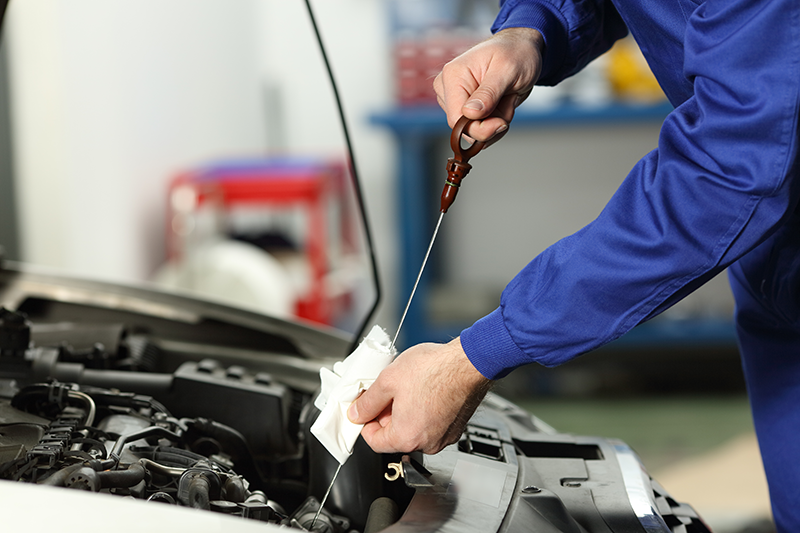
Synthetic vs natural oil, which is best? When it comes to maintaining your vehicle, choosing the right oil is crucial. Whether you're driving through the snowy streets of Hibbing, MN, or taking long road trips, the oil in your engine plays a vital role in ensuring optimal performance. But with so many options on the market, like synthetic oil, natural oil, or blends, knowing which one to choose can feel overwhelming. Frequently asked questions - What is synthetic oil? Synthetic oil is man-made, engineered for optimal performance, and often includes additives for better engine protection under extreme conditions. - What is natural oil? Also known as conventional oil, this type is derived directly from crude oil and is refined for use in engines. - What is a blend? A blend combines synthetic and natural oils, delivering some benefits of both at a more affordable price point compared to full synthetic oil. Understanding these basics is the first step toward selecting the ideal oil for your vehicle. Synthetic vs. Natural vs. Blend The choice between synthetic oil, natural oil, or a blend often depends on factors such as your driving habits, the age of your vehicle, and environmental conditions. Each type has distinct characteristics: - Synthetic Oil: Known for its superior performance, synthetic oil is ideal for extreme temperatures, heavy towing, or high-performance engines. It resists breakdown better than natural oil, providing longer intervals between oil changes. - Natural Oil: A more traditional option, natural oil is suitable for standard vehicles and everyday driving. However, it may require more frequent oil changes and provides less protection under severe driving conditions. - Blended Oil: The middle ground, blends deliver better performance than natural oil and are more cost-effective compared to full synthetic oil. This option works well for drivers who want enhanced protection without the higher price tag of synthetic oil. Considering these differences, many drivers in Hibbing, MN, opt for synthetic oil due to its reliability in harsh winter conditions. How to Decide Which Type Works for You Choosing the right oil for your vehicle doesn't have to be a difficult decision. Here are some tips to guide you: 1. Check Your Owner’s Manual: Manufacturers often recommend a specific type of oil for your vehicle. For many newer models, synthetic oil is the preferred choice. Chevrolet and GMC manuals are both available online. 2. Consider Your Driving Conditions: If you frequently drive in cold weather, tow heavy loads, or take long commutes, synthetic oil may be the best option. For more casual driving around Hibbing, MN, natural oil or a blend could suffice. 3. Think About Your Budget: While synthetic oil typically costs more upfront, its longer lifespan can save money over time. If you're looking for a balance between cost and performance, blended oil might be a smart choice. By considering these factors and consulting with a trusted mechanic, you'll find an oil type that meets your needs and keeps your engine running smoothly. Ready to make the switch to the perfect oil for your vehicle? Visit North Country Chevrolet GMC in Hibbing, MN, or schedule a service appointment through our website. Our expert technicians will help you decide whether synthetic vs natural oil, or a blend is best for your vehicle. Understanding the differences between synthetic oil, natural oil, and blends is key to keeping your engine in peak condition. For drivers in Hibbing, MN, the choice often depends on your specific needs and driving habits. If you're unsure which oil is right for your vehicle, trust the experts at North Country Chevrolet GMC to guide you. Stop by today and keep your engine running smoothly, no matter where your journey takes you!

A man holding a wheel that has been removed for tire rotation

Tire Rotation FAQ: Everything You Need to Know

Drivers in Hibbing, MN often wonder if tire rotation is truly necessary. This simple service plays a major role in extending tire life, maintaining handling stability, and supporting safe driving. Tire rotations help ensure that all four tires wear evenly, which leads to more predictable steering response and better overall performance on the road. This FAQ explains why tire rotations matter, how often they should be performed, and how they benefit your vehicle throughout Minnesota’s challenging driving conditions. Why Should you Rotate Your Tires? Tires wear at different rates due to vehicle weight distribution, drivetrain layout, and the demands placed on specific wheels. Front tires typically experience higher wear because they manage steering input and often carry more load due to engine placement. As a result, tread depth can diminish faster in front positions compared to the rear. Rotating the tires at regular intervals evens out the wear patterns, helping each tire maintain better traction and road contact. This is especially important in Hibbing, MN, where winter weather increases the importance of consistent traction and stable handling. How Often Should I Rotate My Tires? Most industry guidelines recommend tire rotations every 5,000 to 7,500 miles. This interval aligns with general ASE recommendations and the service schedules of many auto manufacturers. The exact interval can vary slightly based on the vehicle’s configuration, tire type, and driving habits. Drivers who frequently encounter gravel roads, uneven terrain, or harsh winter conditions around Hibbing may benefit from more frequent rotations. Checking your owner’s manual provides the most accurate interval for your specific vehicle, and the service team at North Country Chevrolet GMC can offer guidance tailored to your driving environment. What Are the Benefits of Tire Rotation? Regular tire rotations provide multiple long-term benefits and support your vehicle’s overall performance. Evening out tread wear helps extend the usable life of the tires and can improve both ride quality and braking consistency. Rotations also support better fuel efficiency by helping each tire maintain smoother, more uniform rolling resistance. Another advantage of scheduled rotations is early detection of alignment or suspension issues. Uneven wear patterns can signal underlying mechanical concerns, and addressing them early prevents more extensive repairs down the road. This proactive approach is especially valuable in regions like Hibbing, MN, where weather and road conditions accelerate wear. Schedule Your Tire Rotation in Hibbing, MN Tire rotations are essential for preserving safety, improving performance, and maximizing tire longevity. Drivers in Hibbing, MN can rely on North Country Chevrolet GMC for professional tire rotation service and expert maintenance support. Keep your tires performing at their best— schedule your tire rotation today and enjoy greater confidence on every drive.