




Blog

All HIBBING Chevrolet Dealer hibbing gmc dealer HIBBING Chevrolet Service hibbing gmc service North Country Chevrolet GMC Service 2026 north country gmc Service sierra 1500 Chevrolet Technology 2026 Silverado 1500 check engine light sierra 2500 sierra 3500 tire care 2026 Traverse A/C and Heat Best Chevrolet Models Car Oil Type FAQ Chevrolet Trucks Chevrolet vehicles in Hibbing, MN Chevrolet Warranty Coolant Differential engine belts engine overheating HIBBING Used Cars North Country Chevrolet serpentine belt Spark Plugs Synthetic Oil Guide for Drivers in Hibbing, MN timing belt Towing Trims
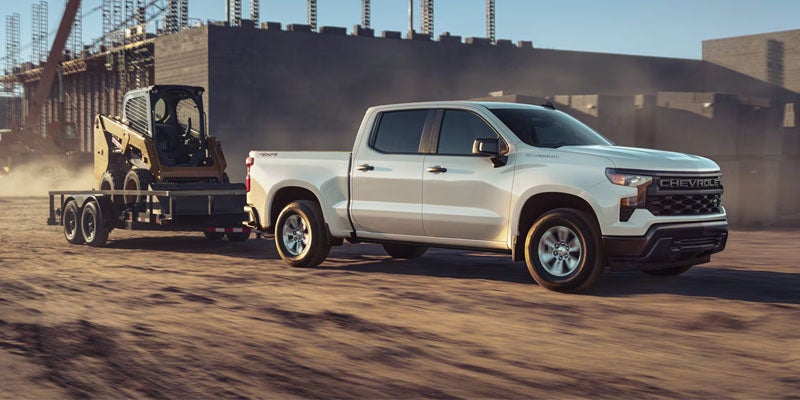
2026 Chevrolet Silverado 1500 - Which Chevrolet Is Built for Your Trailer? A Towing Guide From Colorado to Silverado HD
in Towing

Towing with Chevrolet: Best Models for the Job 

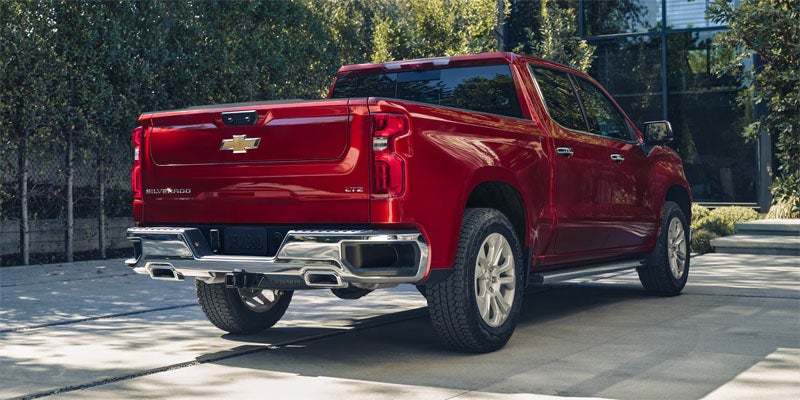
Which Chevrolet Is Built for Your Trailer? A Towing Guide From Colorado to Silverado HD Chevrolet towing capacity covers a huge range. A Colorado can handle a smaller camper or pair of ATVs, while a properly equipped Silverado 3500HD can pull a 36,000-lb. gooseneck or fifth-wheel trailer. Between those extremes are the Silverado 1500, Silverado 2500HD, Tahoe, Suburban, and other Chevrolet models designed for different combinations of passengers, cargo, and trailers. For drivers around Hibbing, MN, choosing the right tow vehicle starts with knowing the loaded weight of the trailer and then matching it to the correct Chevrolet model and configuration. Silverado 1500 Covers a Lot of Ground at 13,300 Lbs. The 2026 Chevrolet Silverado 1500 reaches a maximum available towing capacity of 13,300 lbs. when properly equipped, putting travel trailers, boats, car haulers, and other substantial loads within its range. The available Duramax® 3.0L Turbo-Diesel is one of the powertrain choices available for serious trailering, while the 6.2L V8 provides a gas-engine alternative in applicable configurations. The important detail when comparing Silverado 1500 inventory is that the maximum number doesn't apply to every truck. Engine, cab, bed, drivetrain, axle, and trailering equipment influence the rating, so buyers should compare the Silverado 1500 towing specifications for the exact configuration they're considering instead of shopping by the headline number alone. Silverado HD Is Where the Numbers Get Serious When 13,300 lbs. isn't enough, the Chevrolet Silverado HD lineup moves into another towing category. The 2026 Silverado 2500HD can tow up to 22,500 lbs. when properly equipped, while the Silverado 3500HD reaches 36,000 lbs. with the available 6.6L Duramax® Turbo-Diesel V8 and the appropriate gooseneck/fifth-wheel configuration. Those ratings make Silverado HD worth examining for large campers, livestock trailers, commercial equipment, and other heavy loads. Buyers comparing Silverado 2500HD and 3500HD models should also pay attention to payload and hitch configuration, because trailer pin or tongue weight becomes part of the truck's load. The biggest tow rating on the page isn't automatically the right truck for every trailer. Colorado Brings 7,700 Lbs. to the Midsize Class Not everyone in Hibbing needs an HD pickup sitting in the driveway. The 2026 Chevrolet Colorado offers up to 7,700 lbs. of maximum available towing capacity when properly equipped, giving buyers another option for pop-up campers, utility trailers, ATVs, snowmobiles, personal watercraft, and other lighter recreational loads. Its standard 2.7L TurboMax ™ engine produces 430 lbs. ft. of torque, providing substantial low-end output without moving into a full-size truck. Drivers can also compare Colorado off-road models when reaching campsites, trails, or boat launches requires more capability after the trailer is disconnected. That combination makes the Chevrolet Colorado lineup an important place to look before assuming every towing job requires a Silverado. Tahoe and Suburban Let You Tow with the Family Aboard Chevrolet SUVs add another possibility when passenger capacity is as important as trailer capability. Properly equipped with the Max Trailering Package, the 2026 Chevrolet Tahoe can tow up to 8,400 lbs., while properly equipped Suburban models reach up to 8,200 lbs. These full-size SUVs can accommodate trailers while retaining the cabin space families expect from the Chevrolet Tahoe and Suburban lineup. The Traverse provides an additional option for lighter towing needs, but buyers should still check the rating of the individual configuration before connecting a trailer. If the trip involves people, luggage, and something substantial attached to the hitch, comparing Chevrolet SUV towing capacity can make just as much sense as heading directly to the truck inventory. Start With Trailer Weight, Then Pick the Chevrolet Travel trailers, boats, car haulers, utility trailers, snowmobiles, ATVs, and personal watercraft all place different demands on a tow vehicle. Know the trailer's loaded weight, account for passengers and cargo, and check the vehicle's payload rating along with its maximum towing capacity. Proper hitch equipment matters as well, so owners preparing an existing Chevrolet for towing should consider having the truck inspected through a Chevrolet service center and checking genuine Chevrolet parts and trailering accessories before the season begins. Tires, brakes, fluids, hitch components, and trailer connections deserve attention before a heavy load heads onto Minnesota roads. Compare Chevrolet Tow Vehicles in Hibbing From the 7,700-lb. maximum available towing capacity of the Colorado to the 36,000-lb. maximum of a properly equipped Silverado 3500HD, Chevrolet gives Hibbing drivers several distinct levels of capability. North Country Chevrolet can help shoppers explore new Chevrolet inventory, compare Colorado, Silverado 1500, Silverado HD, Tahoe, and Suburban configurations, and identify the equipment required for their trailer. Owners preparing a current truck for hauling can also schedule Chevrolet service online, while shoppers can schedule a test drive online after narrowing the search to the Chevy built for the load.

Read More
2027 Chevrolet Equinox - Adaptive Cruise Control: Technology Is Best When It Knows Its Place

What Is Adaptive Cruise Control? A Driver's Guide

Adaptive Cruise Control: Technology Is Best When It Knows Its Place The most successful technology in a car doesn't demand attention. It removes a small burden and allows the driver to concentrate on the larger task. Adaptive Cruise Control fits that description rather well. Available on select Chevrolet models and configurations, it develops the familiar idea of cruise control by responding to traffic ahead instead of blindly maintaining one speed. For drivers around Hibbing, MN, particularly those spending long periods on highways, it's an excellent example of technology designed around how people use cars rather than technology added simply because it can be. The Basic Idea Is Beautifully Simple Traditional cruise control maintains a speed selected by the driver. Adaptive Cruise Control adds the ability to respond to a vehicle ahead. Using the vehicle's sensing technology, the system monitors traffic in front and can adjust speed to help maintain a selected following gap. If traffic slows, the Chevrolet can reduce its speed; when the road ahead clears, it can accelerate toward the original set speed. The precise capabilities vary by model, equipment, and system, which makes comparing Chevrolet technology and available driver-assistance features worthwhile when exploring new inventory. Good Technology Removes Repetition The difference becomes apparent on a busy highway. Traditional cruise control works perfectly well until another vehicle enters your lane travelling more slowly. Then the driver brakes, cancels the system, waits, accelerates, and sets the speed again. Adaptive Cruise Control is designed to manage much of that repetitive adjustment while the system is active and operating within its limitations. Some versions may provide additional low-speed functionality, depending on the Chevrolet model and equipment. It doesn't transform the car into an autonomous vehicle, nor should it. The driver remains responsible for controlling the vehicle and paying attention to surrounding traffic. The Benefit Is Less Work, Not Less Driving Long journeys contain an extraordinary amount of tiny adjustment. A little more accelerator, a little less, then back to the original speed because someone has changed lanes. None of this is difficult, but repeated for hours it becomes tiring. Adaptive Cruise Control can reduce some of that workload by managing speed relative to traffic ahead. It may also encourage smoother progress because acceleration and deceleration can be handled without constant pedal inputs. The objective isn't to separate the driver from the car. Done properly, the technology removes repetitive work while leaving the important decisions with the person behind the wheel. The Controls Should Be Easy to Understand Operation varies among Chevrolet models and model years, so the owner's manual remains the correct guide for the specific vehicle. Generally, the driver activates cruise control, selects a desired speed, and chooses an available following-gap setting through the steering-wheel controls. The system then adjusts vehicle speed when it detects slower traffic ahead. The driver must remain attentive and prepared to brake or take control whenever conditions require it. If you're considering a Chevrolet equipped with Adaptive Cruise Control, a test drive is far more useful than simply reading its name on a feature list. You'll quickly understand how naturally the system fits your driving style. Not Every Chevrolet Is Equipped in the Same Way Adaptive Cruise Control availability can differ by model, trim, package, and model year, so shoppers shouldn't assume every vehicle on the lot includes identical functionality. This is where comparing Chevrolet trims and driver-assistance packages becomes important. Drivers can review current Chevrolet inventory and identify vehicles equipped with the technology they value instead of paying attention only to screen sizes and lengthy equipment lists. A well-designed vehicle isn't the one containing the most features. It's the one in which the useful features work together coherently. Try the Technology from the Driver's Seat North Country Chevrolet can help Hibbing, MN, shoppers compare new Chevrolet models, available trims, driver-assistance technology, and Adaptive Cruise Control availability. The team can also explain the controls and demonstrate how equipped systems operate before you choose a vehicle. Explore new Chevrolet inventory, compare financing and trade-in options, and find the combination of technology and capability that suits the way you drive. Then experience Adaptive Cruise Control where its design makes the most sense—on the road—and schedule a test drive online now.
Your Chevrolet Extended Warranty Questions Answered 

Your Chevrolet Extended Warranty Questions Answered

If you've ever wondered what happens when something goes wrong with your vehicle after you drive off the lot, you're not the only one. Understanding your extended warranty options is one of the best things you can do as a Chevrolet owner. No matter if you just purchased a new Silverado, or you've driven your Equinox around Hibbing, MN for a few years, knowing what's covered - and what isn't - gives you security. What Is a Manufacturer's Warranty? When you buy a new Chevrolet, it comes with a factory-backed manufacturer's warranty at no extra cost. This is Chevrolet's promise to repair or replace certain parts if they fail due to defects in materials or workmanship. The standard Chevrolet warranty includes a 3-year/36,000-mile bumper-to-bumper warranty and a 5-year/60,000-mile powertrain warranty. These coverages are automatic and apply from the date of purchase. They're a strong starting point, but they do have an expiration date - which is where an extended warranty becomes worth considering. What Types of Warranty Coverage Are Available? Understanding the different categories of Chevrolet warranty protection helps you make a more informed decision. Here's a breakdown of the most common types: Bumper-to-Bumper Coverage handles most components of the vehicle, from electrical systems to air conditioning. It's the most comprehensive factory coverage available. Powertrain Coverage focuses on the engine, transmission, and drivetrain - the components that make your vehicle move. This is often the most costly to repair, so powertrain protection is especially valuable. Corrosion Coverage protects against rust-through on body panels and is included with new Chevrolet vehicles for 3 years/36,000 miles for surface corrosion and 6 years/100,000 miles for perforation. Roadside Assistance is included with new Chevrolet vehicles and covers things like flat tires, towing, and lockouts for 5 years/60,000 miles. What Is a Chevrolet Extended Warranty? Once your factory coverage expires, a Chevrolet extended warranty - also called a Chevrolet Protection Plan - can pick up where the original warranty leaves off. These plans are offered through GM and can be purchased new or while your factory coverage is still active. An extended warranty can cover major mechanical and electrical components depending on the plan level you choose. Options typically range from powertrain-only plans to more comprehensive coverage that mirrors the original bumper-to-bumper protection. A Chevrolet warranty extension through an authorized provider ensures repairs are made with genuine GM parts by certified technicians. What Does an Extended Warranty Cover? Coverage depends on the plan you select, but most extended warranty options for Chevrolet vehicles include some combination of the following: Engine components, transmission parts, drive axles, steering systems, brake components, electrical systems, and air conditioning. Higher-tier plans may also include technology components like the touchscreen, sensors, and driver assistance systems. It's important to read the terms carefully. Most plans exclude regular maintenance items like oil changes, brake pads, and wiper blades. Those are considered normal wear and are your responsibility as the owner. How Do You Make a Warranty Claim? Making a claim under your Chevrolet extended warranty is fairly simple. Bring your vehicle to an authorized Chevrolet dealership - one that can verify your coverage and perform repairs using approved methods and parts. Have your warranty documentation on hand, including your plan number and purchase date. The service team will diagnose the issue, confirm it falls within your coverage terms, and proceed with the repair. In most cases, you'll only be responsible for a deductible, if one applies to your plan. Keeping records of your maintenance history is a good habit, as it can support your claim if questions arise. Visit North Country Chevrolet for Warranty Help So, if you're shopping for a new Chevrolet or trying to understand your current coverage, the team at North Country Chevrolet is here to help. Drivers throughout Hibbing, MN, can count on our knowledgeable staff to walk them through their extended warranty options and find a plan that fits their budget and driving habits. Stop in and see the team at North Country Chevrolet or make an appointment today to learn more.

What Are Spark Plugs and When Should You Replace Them? 

What Are Spark Plugs and When Should You Replace Them?

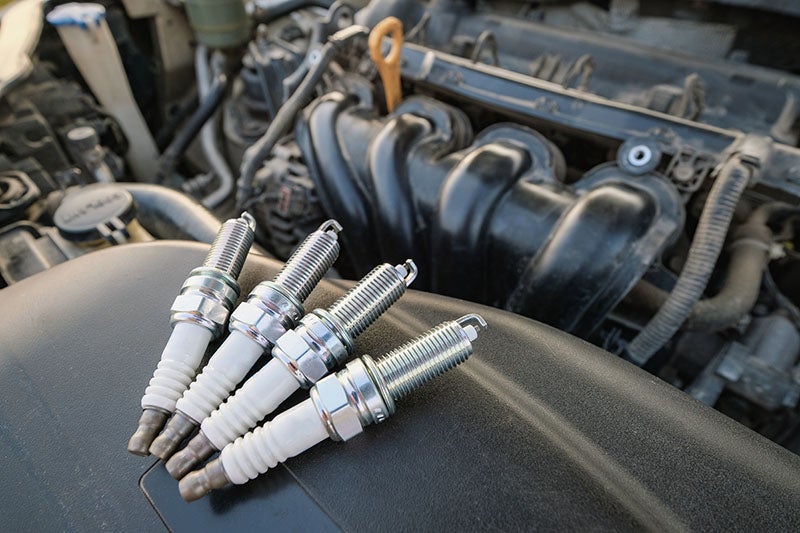
Spark plugs are small but essential components in your engine. Each one generates an electrical spark that ignites the air-fuel mixture inside the combustion chamber, which is what powers your vehicle. Without functioning spark plugs, your engine simply cannot run. Most Chevrolet vehicles use one spark plug per cylinder. A 4-cylinder engine has four, a V6 has six, and a V8 has eight. These parts fire thousands of times per minute, so even minor wear can have a noticeable impact on how your vehicle performs. Also, spark plugs need to be replaced from time to time. Keep reading to know the signs that your plugs need to be replaced and where to get expert service in Hibbing, Minn. How to Tell When Spark Plugs Need to Be Replaced One of the most common warning signs is when your car is hard to start. If you turn the key and the engine hesitates, cranks longer than usual, or struggles to fire up, worn spark plugs may be the cause. Other symptoms include rough idling, engine misfires, reduced acceleration, and lower fuel efficiency. You may also notice your engine feels sluggish during normal driving. In some cases, you might see the check engine light come on. If your car is hard to start on a regular basis and other causes have been ruled out, it is worth having the vehicle inspected right away. How Often Should Spark Plugs Be Replaced? Replacement intervals vary depending on the type of spark plug your vehicle uses. Copper spark plugs typically need to be replaced every 30,000 miles. Platinum and iridium spark plugs can last between 60,000 and 100,000 miles or more. Always refer to your owner's manual for the manufacturer-recommended interval specific to your vehicle. Driving conditions also play a role. Short trips, stop-and-go traffic, and extreme weather can cause spark plugs to wear faster. Drivers who deal with cold winters may find that worn spark plugs make cold-weather starting even more difficult than usual. What Spark Plug Maintenance Looks Like Spark plug maintenance is fairly simple, but it does require the right tools and knowledge to do properly. During an inspection, a technician will remove each plug, check for wear or deposits, and measure the electrode gap. Plugs that are fouled with oil or carbon buildup, cracked, or worn down will need to be replaced. It is also a good idea to inspect the ignition wires and coil packs at the same time, as these components work together with the spark plugs. Catching a problem with any one of them early can prevent more expensive repairs down the road. Visit a Certified Service Center for Spark Plug Replacement When spark plug service is done by trained technicians, you know the job is done correctly with the right parts for your specific vehicle. North Country Chevrolet's Certified Service Center uses OEM-approved components, which helps maintain engine performance and reliability. So, if your car is hard to start or you simply want to stay ahead of routine maintenance, scheduling a service appointment is a smart move. Is It Time to Check Your Spark Plugs? Spark plugs are easy to overlook because they are out of sight, but they have a direct impact on how your vehicle starts, runs, and performs every day. If you have noticed any warning signs - rough idling, reduced power, or a car that is hard to start - do not wait. Stop by North Country Chevrolet or schedule a service visit to get your vehicle inspected and keep your Chevrolet performing at its best.

Air Conditioning and AC Not Working: Common Chevrolet AC Problems and Solutions

Air Conditioning and AC Not Working: Common Chevrolet AC Problems and Solutions

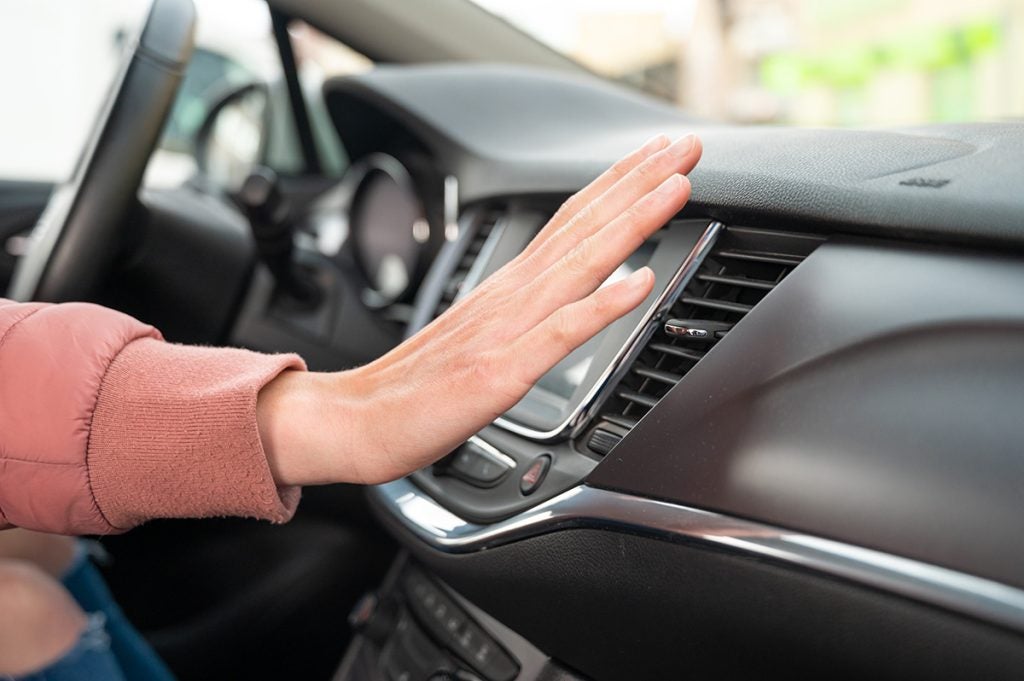
A properly functioning air conditioning system helps keep your Chevrolet comfortable during warm weather and changing seasons. Whether you are commuting, taking a road trip, or handling daily errands, a reliable AC system makes every drive more enjoyable. When your air conditioning stops working or begins blowing warm air, understanding common causes can help you determine when service may be needed. At North Country Chevrolet in Hibbing, MN, we help Chevrolet drivers understand vehicle maintenance concerns, including air conditioning problems and AC system repairs. Whether you drive a Chevrolet Silverado, Equinox, Traverse, Tahoe, or another Chevy model, our service team can help diagnose AC concerns and keep your vehicle ready for every season. How Does Your Chevrolet Air Conditioning System Work? Your Chevrolet’s air conditioning system uses several components that work together to cool and circulate air throughout the cabin. The system removes heat and humidity from the interior before delivering cool air through the vents. Key AC components include: Compressor that circulates refrigerant through the system Condenser that releases heat from refrigerant Evaporator that cools air before it enters the cabin Refrigerant that transfers heat during the cooling process Blower motor that moves air through the vents Cabin air filter that helps maintain air quality When any of these components experience an issue, your Chevrolet AC system may not cool properly. Why Is My Chevrolet Air Conditioning Not Working? There are several reasons why your vehicle’s air conditioning may stop working or fail to produce cold air. Some problems are simple maintenance issues, while others require professional diagnosis. Common causes of AC problems include: Low refrigerant levels A damaged AC compressor Electrical problems A clogged cabin air filter Faulty sensors Condenser damage Blower motor issues Identifying the exact cause requires a proper inspection of the complete air conditioning system. Why Is My Air Conditioning Blowing Warm Air? One of the most common complaints from drivers is an AC system that blows warm air instead of cool air. This issue may occur for several reasons. Possible causes of warm air from your Chevrolet AC include: Low refrigerant caused by a leak Compressor failure Blocked airflow Electrical system concerns Cooling fan problems If your AC begins blowing warm air, scheduling an inspection can help determine whether the issue involves refrigerant, mechanical components, or electrical systems. What Does Refrigerant Do in a Chevrolet AC System? Refrigerant is a fluid that helps your vehicle’s air conditioning system absorb and remove heat from the cabin. It moves through the AC system, changing pressure and temperature as it cycles between components. Low refrigerant levels may cause: Warm air from the vents Reduced cooling performance Longer cooling times AC system strain Refrigerant does not typically disappear during normal operation, so low levels may indicate a leak or another system concern. How Do I Know If My AC Compressor Is Bad? The AC compressor is one of the most important parts of your vehicle’s cooling system. It pressurizes refrigerant and allows the AC system to produce cool air. Signs of a possible AC compressor issue include: Warm air from the vents Unusual noises when AC is turned on AC system cycling incorrectly Reduced cooling performance Visible leaks near AC components Because the compressor is connected to multiple AC components, professional testing can help determine whether it needs repair or replacement. Can a Dirty Cabin Air Filter Affect AC Performance? Yes, a clogged cabin air filter can reduce airflow and affect how well your Chevrolet’s air conditioning system performs. The cabin air filter helps prevent dust, pollen, and debris from entering the interior. A dirty filter may cause: Weak airflow from vents Reduced cooling effectiveness Unpleasant odors inside the vehicle Increased strain on the blower motor Replacing the cabin air filter as recommended helps maintain proper airflow and interior comfort. How Often Should You Service Your Chevrolet AC System? Your Chevrolet AC system should be inspected as part of routine vehicle maintenance, especially if you notice changes in cooling performance. Regular inspections can help identify small issues before they become larger concerns. AC service may include: Checking refrigerant levels Inspecting AC components Testing system performance Checking airflow Evaluating electrical connections Maintaining your air conditioning system helps support dependable performance when temperatures rise. Why Is My AC Making Strange Noises? Unusual sounds from your Chevrolet’s AC system may indicate a component issue. Different noises can point to different concerns. Common AC-related sounds include: Clicking noises when the system turns on Hissing sounds from refrigerant leaks Grinding noises from worn components Rattling caused by loose parts If you hear unusual sounds while using your AC, scheduling a service inspection can help identify the source. How Can I Keep My Chevrolet AC Working Properly? Preventive maintenance can help your air conditioning system operate efficiently throughout the year. Simple habits and regular service appointments can support long-term AC performance. Helpful AC maintenance tips include: Run the AC periodically, even during cooler months Replace the cabin air filter when recommended Schedule inspections if cooling performance changes Keep the front grille area clear of debris Address unusual AC noises quickly Taking care of your AC system helps maintain a comfortable driving environment. Chevrolet AC Service at North Country Chevrolet When your Chevrolet air conditioning system is not working properly, professional service can help restore comfort and confidence behind the wheel. From warm air concerns to airflow problems, trained technicians can inspect the system and identify the right solution. At North Country Chevrolet in Hibbing, MN, our service team provides expert maintenance and repair support for Chevrolet vehicles. Whether your AC is blowing warm air, making unusual noises, or not working at all, we are ready to help diagnose the issue. Schedule your next service appointment with North Country Chevrolet and keep your Chevrolet comfortable throughout every season.

Coolant and Engine Overheating: What Every Chevrolet Driver Should Know

Coolant and Engine Overheating: What Every Chevrolet Driver Should Know

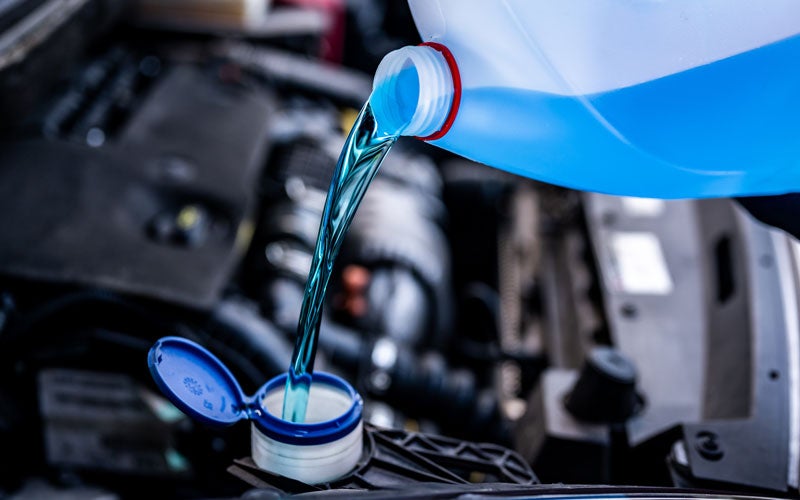
Your Chevrolet’s cooling system plays a critical role in maintaining proper engine temperature and protecting important components. Coolant helps regulate heat produced during combustion, allowing your engine to operate efficiently under different driving conditions. When coolant levels drop or cooling system components develop issues, engine overheating can occur and lead to serious concerns. At North Country Chevrolet in Hibbing, MN, we help drivers understand the importance of coolant maintenance and recognize early signs of engine overheating. Whether you drive a Chevrolet Silverado, Equinox, Traverse, Tahoe, or another Chevy model, keeping your cooling system in good condition supports reliable performance throughout every season. What Is Coolant and Why Does Your Chevrolet Need It? Coolant, also known as antifreeze, is a fluid designed to help regulate engine temperature. It circulates through the engine and radiator, absorbing excess heat before releasing it through the cooling system. Without properly maintained coolant, your engine may not be able to manage the heat created during normal operation. This can cause temperatures to rise beyond safe levels. Coolant helps your Chevrolet by: Regulating engine operating temperature Preventing overheating during demanding driving conditions Protecting against freezing in cold weather Reducing corrosion inside the cooling system Supporting proper engine performance Using the correct coolant recommended for your Chevrolet is essential for maintaining the cooling system’s effectiveness. What Causes an Engine to Overheat? Engine overheating occurs when the cooling system cannot remove enough heat from the engine. Several issues can contribute to rising temperatures, from low coolant levels to mechanical concerns. Common causes of engine overheating include: Low coolant levels Coolant leaks A damaged radiator A failing thermostat A malfunctioning water pump A worn radiator hose Cooling fan problems Identifying the cause early can help prevent additional engine damage and keep repair needs from becoming more extensive. How Do I Know If My Engine Is Overheating? Your Chevrolet may provide several warning signs when the engine temperature becomes too high. Recognizing these signs allows you to respond quickly and protect your vehicle. Signs of engine overheating may include: Temperature gauge rising into the red zone Steam coming from under the hood Coolant warning lights appearing on the dashboard Reduced engine performance A sweet smell from leaking coolant Unusual noises from the engine compartment If you notice these symptoms, safely pull over when possible and allow the engine to cool before attempting any inspection. What Should You Do If Your Chevrolet Overheats? An overheating engine requires immediate attention. Continuing to drive while the engine temperature is too high may cause damage to internal components. If your Chevrolet begins overheating: Safely pull over and turn off the engine Allow the vehicle to cool before checking under the hood Avoid opening the radiator cap while the engine is hot Check coolant levels only after the system has cooled Schedule an inspection if overheating continues The cooling system operates under pressure, so opening components while hot can be dangerous. Allowing proper cooling time is an important safety step. How Often Should You Check Coolant Levels? Checking coolant levels regularly helps ensure your Chevrolet’s cooling system has enough fluid to operate properly. While coolant does not need to be replaced as frequently as engine oil, it still requires periodic inspection. Drivers should check coolant: Before long road trips During routine maintenance visits When dashboard warning lights appear If they notice signs of a possible leak Your Chevrolet owner’s manual provides recommended maintenance intervals based on your specific model and engine. Can Low Coolant Cause Engine Overheating? Yes, low coolant levels are one of the most common reasons an engine may overheat. When there is not enough coolant circulating through the system, the engine cannot effectively transfer heat away from critical components. Low coolant may result from: Normal fluid loss over time Cracked hoses Damaged radiator components Leaking coolant reservoirs Cooling system problems If your coolant level repeatedly drops, it is important to have your vehicle inspected to identify the source of the issue. What Type of Coolant Does My Chevrolet Need? Different Chevrolet models may require specific coolant formulas designed for their engine systems. Using the correct coolant helps maintain proper temperature control and protect internal cooling components. When selecting coolant: Follow Chevrolet manufacturer recommendations Check your owner’s manual specifications Avoid mixing incompatible coolant types Consult a certified technician if you are unsure The right coolant helps your vehicle handle changing temperatures and everyday driving conditions. How Does Cold Weather Affect Your Cooling System? Drivers in Hibbing, MN, experience significant seasonal temperature changes, making proper coolant maintenance especially important. Coolant helps protect your engine from both overheating and freezing conditions. Cold weather preparation includes: Checking coolant levels before winter Inspecting hoses and belts Following recommended maintenance schedules Addressing leaks promptly A properly maintained cooling system helps your Chevrolet remain dependable during challenging weather conditions. Why Regular Cooling System Maintenance Matters Your Chevrolet’s cooling system includes several components that must work together to regulate engine temperature. Routine inspections can help identify worn parts, leaks, or fluid concerns before they affect performance. Cooling system maintenance may include: Coolant level inspections Radiator checks Hose inspections Thermostat evaluations Cooling fan testing Regular service supports long-term engine reliability and helps reduce the risk of unexpected overheating issues. Chevrolet Cooling System Service at North Country Chevrolet Coolant maintenance and engine temperature management are essential parts of keeping your Chevrolet performing properly. Understanding warning signs and maintaining your cooling system can help protect your engine through every season. At North Country Chevrolet in Hibbing, MN, our service team is ready to assist with coolant inspections, cooling system maintenance, and engine service for your Chevrolet. Whether you are experiencing overheating concerns or need routine vehicle care, we provide professional support to help keep your vehicle running smoothly. Schedule your next service appointment with North Country Chevrolet and keep your Chevrolet prepared for the road ahead.

Best Chevrolet Models for Families in Hibbing, MN

Finding the right vehicle for your family is one of the most important decisions you'll make. If you're searching for the best Chevrolet models for families in Hibbing, MN, the good news is that Chevy offers a strong lineup built around dependability, comfort, and versatility. Whether you need room for the kids, cargo space for weekend adventures, or a smooth daily commute, there's a Chevrolet family vehicle that fits your life. Why Chevrolet is a Smart Choice for Families Chevrolet has long been known for building vehicles that balance reliability with everyday practicality. For families in Hibbing, MN, where winters can be demanding and road conditions vary, having a vehicle you can count on matters. Chevrolet family vehicles come equipped with a range of safety features, modern technology, and options for all-wheel drive, making them well-suited for northern Minnesota driving. The 2027 Chevrolet Equinox - A Compact SUV With Big Appeal The 2027 Chevrolet Equinox is one of the best Chevrolet models for families who want a comfortable, right-sized SUV. It offers a practical interior, a user-friendly touchscreen, and available all-wheel drive to help handle changing weather conditions. With seating for five and a welcoming cabin layout, the Equinox is a natural fit for school runs, grocery trips, and weekend outings alike. The 2026 Chevrolet Traverse - Space for Everyone When your family needs more room, the 2026 Chevrolet Traverse delivers. This three-row SUV provides generous passenger space, a large cargo area, and a comfortable ride that makes longer drives feel effortless. It's one of the standout Chevrolet family vehicles in the lineup, offering room for up to eight passengers along with the kind of practicality that growing families appreciate. The Traverse also supports available trailering capability, adding utility when you need to haul gear for camping trips or sports equipment. The 2026 Chevrolet Tahoe - Full-Size Comfort and Capability For families who want maximum space and a commanding presence on the road, the 2026 Chevrolet Tahoe is hard to beat. As one of the best Chevrolet models for families needing serious capacity, the Tahoe seats up to nine passengers and offers a refined interior with available technology features to keep everyone connected and comfortable. Its capable powertrain and available four-wheel drive also make it a reliable choice for Minnesota winters. The 2026 Chevrolet Silverado - When Families Need a Truck Not every family drives an SUV, and the 2026 Chevrolet Silverado proves that a pickup truck can be just as family-friendly. With a spacious crew cab, a comfortable back seat, and strong available powertrains, the Silverado handles everything from daily driving to hauling firewood or a camper. It's a practical choice for families in Hibbing, MN, who need versatility beyond what a traditional SUV can offer. Visit North Country Chevrolet to Find Your Family's Next Vehicle The best Chevrolet models for families in Hibbing, MN are ready to explore at North Country Chevrolet. Whether you're drawn to a spacious SUV like the Traverse or Tahoe, a versatile Equinox, or a capable Silverado, Chevy's lineup has something built for every family's needs. Stop by at North Country Chevrolet or browse online to find the right fit and take the next step toward your family's next great vehicle.

What Is the Head-Up Display in a Chevy and Why Do Drivers Love It? 

What Is the Head-Up Display in a Chevy and Why Do Drivers Love It?

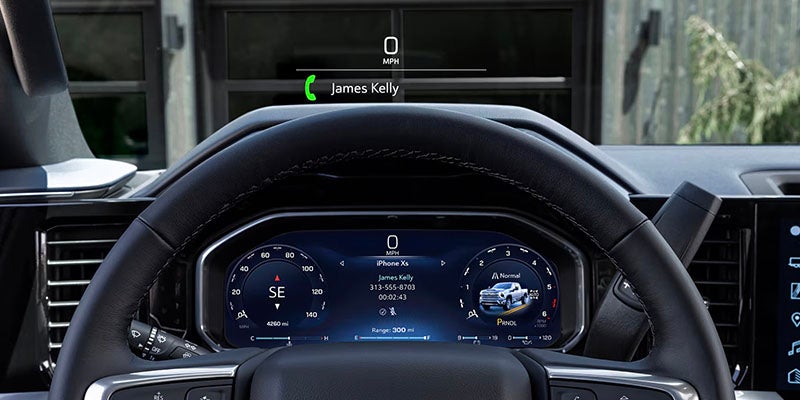
Chevrolet's available Head-Up Display needs to be talked about. It doesn't add horsepower, increase towing capacity, or transform your daily commute. What it does is reduce the number of times you need to glance away from the road, and once you've driven with it for a while, that becomes surprisingly difficult to give up. For drivers in Hibbing, MN, where changing weather conditions and long stretches of highway demand constant attention, the Chevy Head-Up Display is one of those features that quickly becomes part of your everyday routine. Bringing Important Information into Your Line of Sight The idea behind a Head-Up Display is refreshingly simple. Instead of looking down at the instrument cluster to check your speed or navigation directions, key information is projected directly onto the windshield. The display appears just above the hood line, creating the impression that the information is floating ahead of the vehicle rather than sitting on a screen inside it. The image is transparent and positioned carefully so it remains easy to read without interfering with your view of the road. What Can the Chevy Head-Up Display Show? The information displayed varies by vehicle and configuration, but the goal is always the same: provide the details drivers need most without requiring them to look away from traffic. Vehicle speed is typically front and center. Turn-by-turn navigation instructions can also appear when using compatible navigation systems, making it easier to follow directions without constantly checking the center touchscreen. Certain Chevrolet models can also display speed limit information, incoming call notifications, audio information, and select safety alerts connected to driver-assistance systems. Rather than overwhelming the driver with data, the system prioritizes the information that is most useful in the moment. A Feature That Shines on Long Drives The value of a Head-Up Display becomes most apparent during highway driving. At 70 mph, even a brief glance away from the road covers a significant amount of distance. Having your speed, navigation instructions, and important alerts directly within your field of view helps reduce distractions and keeps your attention where it belongs. The feature is equally useful when traveling through unfamiliar areas. Navigation prompts appear naturally within your line of sight, helping you prepare for upcoming turns and exits without shifting focus between multiple displays. For drivers dealing with Minnesota winters, that added awareness can be especially beneficial when visibility is limited and road conditions change quickly. Adjusting the Head-Up Display to Fit You One of the reasons Chevrolet's Head-Up Display works so well is its flexibility. Drivers can adjust the brightness, choose what information appears on the display, and reposition the image vertically so it aligns comfortably with their seating position. If multiple people regularly drive the same vehicle, these adjustments help ensure the display remains easy to see regardless of height or seating preferences. Experience Chevrolet Technology for Yourself The Head-Up Display is one of those features that is difficult to fully appreciate through specifications alone. Once you experience having key driving information presented naturally within your field of view, it quickly feels like something every vehicle should offer. Drivers throughout Hibbing, MN can visit North Country Chevrolet to explore available Chevrolet models equipped with a Head-Up Display and see firsthand how this technology can make daily driving more intuitive and connected.

Signs of a Bad Differential: What Every Driver Should Know 

Signs of a Bad Differential: What Every Driver Should Know

Strange noises from your vehicle can indicate a mechanical issue. North Country Chevrolet in Hibbing, MN provides service to identify these problems. If your car makes a grinding sound, the differential might be failing. Knowing the signs of a bad differential helps you avoid large repair costs. Drivers in Hibbing, MN should contact our team for assistance. What Is a Differential and What Does It Do? The differential is a mechanical part in every vehicle with wheels. Its job is to let the wheels on 1 axle spin at different speeds. This is necessary for safety. When a vehicle turns a corner, the outer wheel travels a longer distance than the inner wheel. The differential manages this speed difference. Rear wheel drive cars have 1 unit. All wheel drive cars have 2 units and a transfer case. How Does a Differential Work? The differential uses gears to move torque from the driveshaft to the wheels. When you drive straight, both wheels get equal power. When you turn, the part adjusts the power flow. This allows each wheel to spin at the correct speed. The gears are inside a metal case. They are covered in a thick fluid. This fluid stops heat and friction. Over time, the fluid gets dirty. This is why a fluid change is needed for maintenance. Common Signs of a Bad Differential A whining or humming sound is a common sign. This sound often changes when you change speed. It may get louder when you turn. Worn gears or low fluid levels cause these noises. You might feel a vibration or a shudder. This happens during acceleration or turns. A clunking noise when shifting is a red flag. Fluid leaks near the axle are also a sign of a problem. Differential fluid is thick and dark. If you see a leak, the parts are not lubricated. Schedule Your Service Today Drivers should have the unit checked if they notice these signs. Early detection of a failing seal or worn bearings saves money. A fluid change is often the 1st step in the process. North Country Chevrolet in Hibbing, MN can inspect your vehicle and provide repairs. Keeping up with maintenance helps your car stay on the road. You can visit our website or call our office to book an appointment.

Everything You'll Love About the 2026 Chevrolet Traverse 

Everything You'll Love About the 2026 Chevrolet Traverse

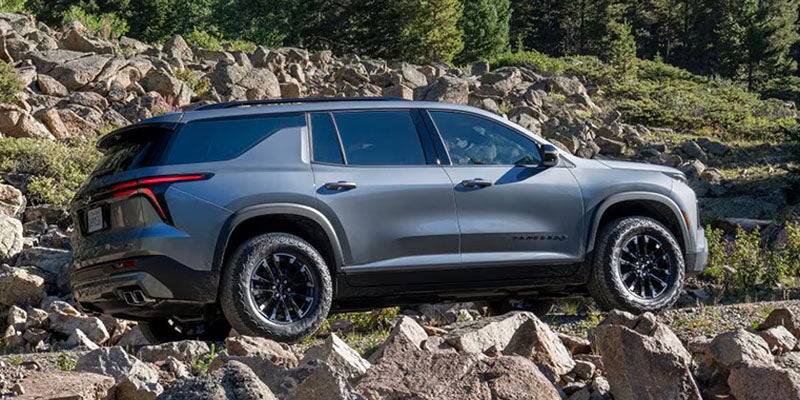
A New Model for Families The 2026 Chevrolet Traverse is a vehicle choice for families, and it is available at North Country Chevrolet in Hibbing, MN. This SUV provides space for passengers and cargo for daily use. People who want to learn more can contact the team at North Country Chevrolet for details. Changes for the 2026 Chevrolet Traverse The 2026 Chevrolet Traverse has a 2.5 L turbocharged engine. This engine replaces the previous V6 and offers 328 hp and 326 lb-ft of torque. It uses an 8-speed automatic transmission to move the vehicle. The interior has a standard 17.7" touchscreen display. This screen works with Google Assistant®, Google Maps®, and Google Play®. These tools are built into the system for easier use. It also connects to Apple CarPlay® and Android Auto®. Capability and Performance This SUV can tow up to 5,000 lbs when it has the correct trailering equipment. This capacity is useful for pulling boats or trailers. All-wheel drive is an option on all 4 trims to help with driving in snow or rain. The vehicle uses an 11" Driver Information Center to show data to the driver. The 2.5 L engine provides enough power for highway driving and passing other cars. 2026 Chevrolet Traverse Trim Options The 2026 Chevrolet Traverse has 4 trim levels. These levels are LT, Z71, RS, and High Country. The LT trim has the 17.7" screen and can seat 7 or 8 people, and it uses Smart Slide seats to make the 3rd row easy to reach. The Z71 trim is for driving on dirt or gravel. It has 18" wheels and all-terrain tires. It also has a skid plate and special suspension to handle bumps. This trim uses a twin-clutch all-wheel drive system for better grip. The RS trim has a sporty look with 22" black wheels. The High Country trim is the top model with 22" wheels and more features. Both the RS and High Country include Super Cruise® for hands-free driving on compatible roads. Interior Space and Safety The Traverse has 98 cubic feet of cargo space when the seats are down. There is 56.6 cubic feet of space behind the 2nd row and 22.9 cubic feet behind the 3rd row. An AutoSense Power Liftgate opens when it detects the key near the back of the car. Standard safety features include Automatic Emergency Braking and Lane Keep Assist. The vehicle also has Rear Cross Traffic Braking and Blind Zone Steering Assist. These systems help the driver stay safe on the road. The 2026 Chevrolet Traverse is a functional SUV for various needs. It offers a 2.5 L engine and a large 17.7" screen. You can see the different trims at North Country Chevrolet in Hibbing, MN. Contact the dealership to schedule a time to see the vehicle.

2026 Silverado 1500 LTZ - Exploring Silverado Trims for the 2026 Chevrolet Silverado

Exploring Silverado Trims for the 2026 Chevrolet Silverado

When picking Silverado trims, you are not choosing a truck. You are choosing how you plan to use your time. Some trims wake up early and go straight to work. Others lean into comfort, long drives, and a quiet cabin. A few exist for people who see a dirt trail and think, good. In Hibbing, MN, that range of Silverado trims matters. WT Trim and Everyday Jobsite Output The WT starts with purpose. The TurboMax™ engine delivers 310 hp and 430 lbs. ft. of torque. It pulls clean and steady. The Durabed gives you best-in-class standard cargo volume and 12 tie-downs that hold real weight. This is the truck that shows up, does the work, and leaves without asking for attention. Chevy Safety Assist comes standard, so the basics are covered while you focus on the job. Custom Trim and Practical Upgrades That Matter Custom adds a layer of usability. 20-inch aluminum wheels change the stance. A standard trailering package brings immediate towing readiness. Inside, a 10-way power driver seat and under-seat storage solve small problems you deal with every day. Nothing flashy. Just useful decisions made in the right places. Custom Trail Boss and Lifted Off Road Intent This is where the Silverado starts to get interesting. A 2-inch factory lift changes how the truck stands and how it moves off pavement. The Z71 Off-Road Package adds skid plates and an automatic locking rear differential. Goodyear® Wrangler Territory MT tires grip when surfaces stop cooperating. The look matches the hardware. Black wheels. Raised hood. No confusion about what it is built to do. LT Trim and Daily Driving Intelligence LT brings structure to the cabin. A 13.4-inch touchscreen sits clean across the dash. A 12.3-inch driver display gives you clear information without distraction. You also gain access to more safety and comfort options. Bucket seats, upgraded driver assistance, and a layout that works on a commute or a long drive out of Hibbing. RST Trim and Street Focused Presence RST shifts the tone. Body color bumpers and trim give it a cleaner, more direct look. It feels less industrial, more intentional. Engine choice expands here, including the 6.2L V8 with 420 hp and 460 lbs. ft. of torque. It moves with authority. Not loud. Not dramatic. Just strong when you press the pedal. LT Trail Boss and Balanced Off Road Control LT Trail Boss takes the off-road setup and adds refinement. You still get the 2-inch lift and Z71 hardware, but with more interior comfort and tech. Autotrac® 2-speed transfer case helps you adapt to changing terrain without overthinking it. It is the trim that handles work during the week and trails on the weekend without needing adjustments. LTZ Trim and Interior Detail with Real Function LTZ focuses on the cabin. Leather seating, a refined layout, and an available 14-camera system that gives you multiple trailer and surround views. This is where towing becomes easier to manage. You see more. You react faster. The truck works with you instead of asking you to figure it out. High Country Trim and Long-Distance Comfort Design High Country shifts toward comfort without losing capability. Premium leather, open-pore wood, and available Super Cruise® change how long drives feel. It stays quiet. It stays composed. You cover distance without fatigue building up in the background. ZR2 Trim and Maximum Terrain Capability ZR2 is built for terrain that stops most trucks. Multimatic DSSV® dampers control movement at speed. Front and rear electronic locking differentials keep traction consistent. 33-inch Goodyear® Wrangler Territory MT tires and a high clearance front bumper improve approach angles. It goes where the road ends and keeps going. Distinct Edition Packages and Visual Identity Options Midnight Edition brings a full blacked-out look. Redline Edition adds contrast with red accents. Stars and Steel Edition introduce a unique visual theme. ZR2 Bison adds AEV® upgrades for more serious off-road use. Stand in front of each of the Silverado trims and the differences become obvious. Stop by North Country Chevrolet in Hibbing, MN and see which version lines up with how you use a truck.

A man looking at his engine and talking on the phone - Diagnosing Engine Overheating Issues 

Diagnosing Engine Overheating Issues

Engine overheating is not subtle. The temperature gauge climbs, performance fades, and the engine begins to protest in ways that suggest something fundamental has gone wrong. Leave it long enough, and you move from inconvenience to mechanical failure—warped components, compromised seals, and repair bills that escalate quickly. Common Causes of Engine Overheating Overheating rarely happens without reason. The system is designed with redundancy and margin. When it fails, something within that system has already degraded. Coolant Leaks Coolant is the system’s working fluid. Lose it, and the entire process collapses. Leaks typically appear at predictable points—radiator seams, aging hoses, or weakened reservoir tanks. Even a minor seep reduces system pressure and lowers the coolant’s boiling point, which accelerates overheating under load. Visible residue, damp connections, or a sweet odor after a drive are early indicators. Ignore them, and the problem becomes far less subtle. Malfunctioning Vehicle Thermostat The thermostat governs coolant flow with simple mechanical logic. When it sticks closed, circulation stops. Heat builds rapidly, and the temperature spike is immediate. When it fails open, the engine struggles to reach operating temperature, which affects efficiency but rarely causes overheating directly. Failure tends to be binary. It works, or it doesn’t. Replacement is straightforward and often resolves the issue entirely. Key Components to Inspect Effective diagnosis requires knowledge. Each component must be considered in sequence. Water Pump Issues The water pump maintains circulation. Without flow, heat cannot be transferred or dissipated. A failing pump may present with bearing noise, coolant traces near the housing, or, in more advanced cases, complete loss of circulation. At that point, overheating is inevitable. Replacement is not optional. Radiator and Cooling Fans The radiator’s role is heat exchange. Airflow passes through its fins, removing heat from the coolant before it returns to the engine. If those fins are obstructed—road debris, corrosion, or internal blockage—efficiency drops. Cooling fans compensate at low speeds or idle. If they fail, temperature rises quickly in traffic or stationary conditions. This is a common pattern: stable at speed, unstable at a stop. Hoses and Connections Hoses carry coolant under pressure and temperature. Over time, they harden, crack, or loosen at connection points. The result is either leakage or restricted flow, both of which compromise system performance. Inspect and any sign of deterioration justifies replacement. Advanced Diagnostic Considerations When the obvious faults are eliminated, attention turns to less forgiving failures. Head Gasket Failure A compromised head gasket introduces cross-contamination. Coolant enters combustion chambers, or exhaust gases enter the cooling system. The result is erratic temperature behavior, pressure anomalies, and visible symptoms such as white exhaust smoke or oil contamination. Repair is complex and labor-intensive. There is no partial solution. Air Pockets in the Cooling System Air within the system disrupts circulation and creates localized hot spots. This typically follows improper coolant refilling or incomplete system bleeding. The fix is procedural—purge the air, restore flow, and reestablish consistent temperature control. It sounds minor. Left unresolved, it is not. Keep Your Engine From Overheating Overheating is not something to monitor casually. It is a signal that the system has already failed in some capacity. Acting early limits damage and simplifies repair. At North Country Chevrolet GMC in Hibbing, MN, technicians approach cooling system diagnostics with the precision it demands. From identifying small coolant losses to resolving complex internal faults, the goal is straightforward: restore stability before minor faults become major repairs.

Why Engine Belts Matter More Than You Think in Hibbing, MN 

Why Engine Belts Matter More Than You Think in Hibbing, MN

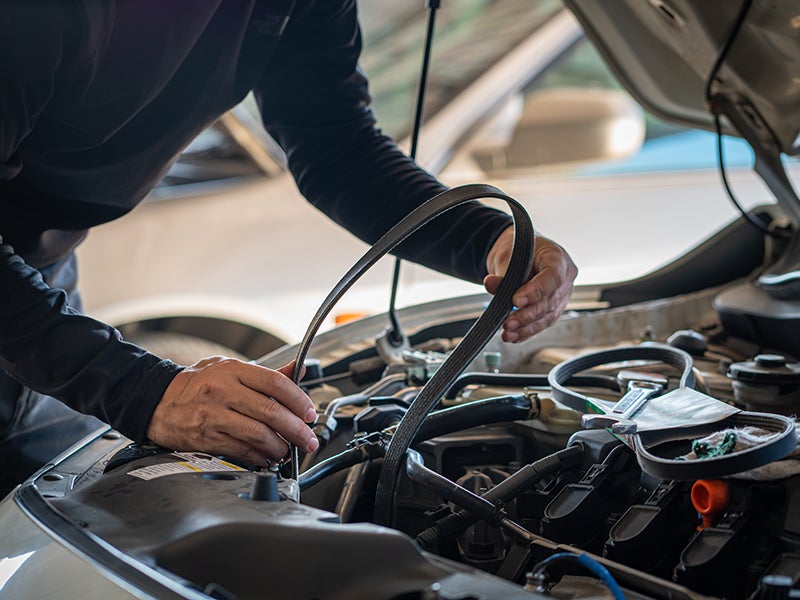
Let’s start with a brutal truth. Your engine may have hundreds of moving parts, gallons of fuel, clever electronics, and enough computing power to launch a small satellite… and yet it can all be brought to its knees by a rubber band. A glorified elastic strap. That, ladies and gentlemen, is the magnificent absurdity of engine belts. Around Hibbing, MN, where winter mornings can feel like mechanical torture tests, understanding these humble components can mean the difference between driving heroically into the sunrise or waiting miserably for a tow truck. Serpentine Belts: Power and Sudden Catastrophic Failure Potential The serpentine belt is essentially the overworked intern of your engine bay. It spins the alternator, helps run the power steering pump, drives the air conditioning compressor, and in some cases even keeps coolant circulating. It snakes its way around pulleys like a caffeinated python, doing all the grunt work without applause. When it fails, everything stops. The steering becomes heavier than a medieval drawbridge. The battery stops charging. Cabin comfort evaporates. What was once a refined machine becomes an immobile monument to poor maintenance decisions. Timing Belt Precision Engineering and Expensive Consequences Now we move inside the engine, where the timing belt operates like a Swiss watchmaker with anger issues. Its sole responsibility is synchronizing crankshaft and camshaft rotation so valves open and close at precisely the right moments. Get this wrong and the engine effectively punches itself in the face. Timing belt failure is not dramatic in a cinematic sense. There is no fireball. Instead there is silence. Expensive, soul-crushing silence. That is why replacement intervals exist. Ignoring them is a bit like ignoring the expiration date on milk and then acting surprised when disaster unfolds. Legacy Drive Belts and Old-School Mechanical Character Older vehicles often relied on multiple V-belts, each powering a specific accessory. This arrangement looked like a spaghetti factory had exploded in the engine bay. While less efficient than modern serpentine systems, these belts offered a certain mechanical charm. They also squealed like startled wildlife when worn, providing an audible reminder that maintenance was overdue. Routine Belt Inspection and Practical Ownership Wisdom Checking belts is not glamorous. It will not impress your neighbors. It will not earn admiration at social gatherings. What it will do is prevent inconvenient breakdowns during freezing mornings when you would rather be inside drinking coffee than standing beside a lifeless vehicle contemplating life choices. Listen for squealing. Look for cracks. Replace components at recommended mileage intervals. These simple steps help maintain engine reliability and avoid repair bills that feel like financial ambushes. Drivers in Hibbing, MN who want to keep their vehicles running smoothly can benefit from professional belt inspections and timely replacement services. Experiencing proper maintenance firsthand often reveals how something as small as an engine belt can have a remarkably large influence on the road ahead.

Contact Us

Fill out this form below and we'll contact you shortly
*Required Fields