




Blog / engine belts

Why Engine Belts Matter More Than You Think in Hibbing, MN

Why Engine Belts Matter More Than You Think in Hibbing, MN 

Let’s start with a brutal truth. Your engine may have hundreds of moving parts, gallons of fuel, clever electronics, and enough computing power to launch a small satellite… and yet it can all be brought to its knees by a rubber band. A glorified elastic strap. That, ladies and gentlemen, is the magnificent absurdity of engine belts. Around Hibbing, MN, where winter mornings can feel like mechanical torture tests, understanding these humble components can mean the difference between driving heroically into the sunrise or waiting miserably for a tow truck. 

Serpentine Belts: Power and Sudden Catastrophic Failure Potential 

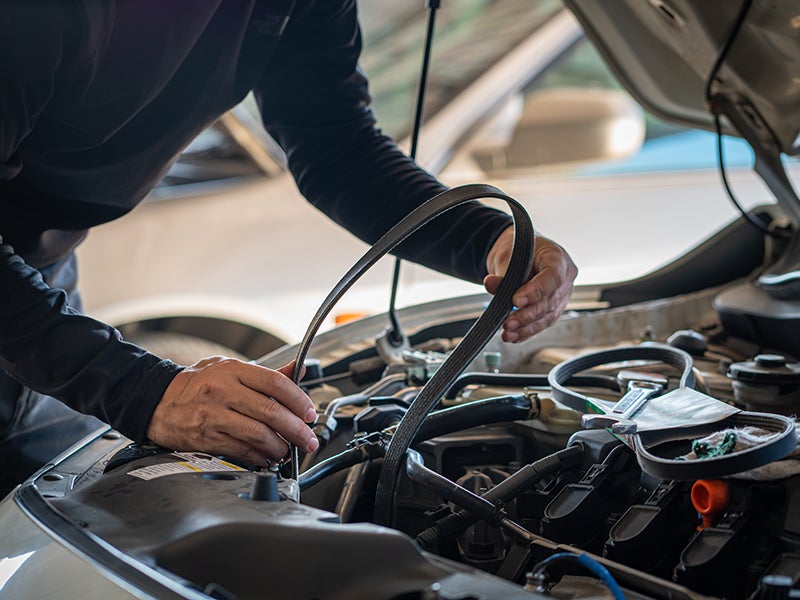
The serpentine belt is essentially the overworked intern of your engine bay. It spins the alternator, helps run the power steering pump, drives the air conditioning compressor, and in some cases even keeps coolant circulating. It snakes its way around pulleys like a caffeinated python, doing all the grunt work without applause. 

When it fails, everything stops. The steering becomes heavier than a medieval drawbridge. The battery stops charging. Cabin comfort evaporates. What was once a refined machine becomes an immobile monument to poor maintenance decisions. 

Timing Belt Precision Engineering and Expensive Consequences 

Now we move inside the engine, where the timing belt operates like a Swiss watchmaker with anger issues. Its sole responsibility is synchronizing crankshaft and camshaft rotation so valves open and close at precisely the right moments. Get this wrong and the engine effectively punches itself in the face. 

Timing belt failure is not dramatic in a cinematic sense. There is no fireball. Instead there is silence. Expensive, soul-crushing silence. That is why replacement intervals exist. Ignoring them is a bit like ignoring the expiration date on milk and then acting surprised when disaster unfolds. 

Legacy Drive Belts and Old-School Mechanical Character 

Older vehicles often relied on multiple V-belts, each powering a specific accessory. This arrangement looked like a spaghetti factory had exploded in the engine bay. While less efficient than modern serpentine systems, these belts offered a certain mechanical charm. They also squealed like startled wildlife when worn, providing an audible reminder that maintenance was overdue. 

Routine Belt Inspection and Practical Ownership Wisdom 

Checking belts is not glamorous. It will not impress your neighbors. It will not earn admiration at social gatherings. What it will do is prevent inconvenient breakdowns during freezing mornings when you would rather be inside drinking coffee than standing beside a lifeless vehicle contemplating life choices. 

Listen for squealing. Look for cracks. Replace components at recommended mileage intervals. These simple steps help maintain engine reliability and avoid repair bills that feel like financial ambushes. 

Drivers in Hibbing, MN who want to keep their vehicles running smoothly can benefit from professional belt inspections and timely replacement services. Experiencing proper maintenance firsthand often reveals how something as small as an engine belt can have a remarkably large influence on the road ahead. 

Posted in:

Related Posts

What Are Spark Plugs and When Should You Replace Them? 

What Are Spark Plugs and When Should You Replace Them?

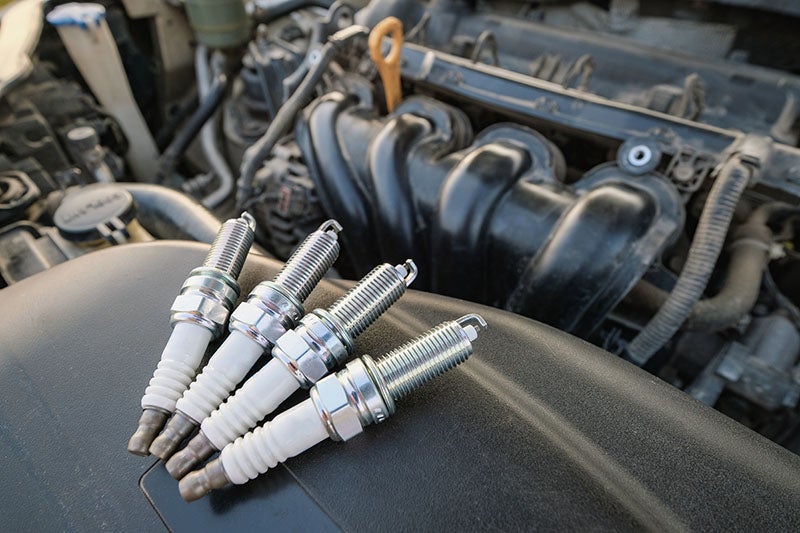
Spark plugs are small but essential components in your engine. Each one generates an electrical spark that ignites the air-fuel mixture inside the combustion chamber, which is what powers your vehicle. Without functioning spark plugs, your engine simply cannot run. Most Chevrolet vehicles use one spark plug per cylinder. A 4-cylinder engine has four, a V6 has six, and a V8 has eight. These parts fire thousands of times per minute, so even minor wear can have a noticeable impact on how your vehicle performs. Also, spark plugs need to be replaced from time to time. Keep reading to know the signs that your plugs need to be replaced and where to get expert service in Hibbing, Minn. How to Tell When Spark Plugs Need to Be Replaced One of the most common warning signs is when your car is hard to start. If you turn the key and the engine hesitates, cranks longer than usual, or struggles to fire up, worn spark plugs may be the cause. Other symptoms include rough idling, engine misfires, reduced acceleration, and lower fuel efficiency. more You may also notice your engine feels sluggish during normal driving. In some cases, you might see the check engine light come on. If your car is hard to start on a regular basis and other causes have been ruled out, it is worth having the vehicle inspected right away. How Often Should Spark Plugs Be Replaced? Replacement intervals vary depending on the type of spark plug your vehicle uses. Copper spark plugs typically need to be replaced every 30,000 miles. Platinum and iridium spark plugs can last between 60,000 and 100,000 miles or more. Always refer to your owner's manual for the manufacturer-recommended interval specific to your vehicle. Driving conditions also play a role. Short trips, stop-and-go traffic, and extreme weather can cause spark plugs to wear faster. Drivers who deal with cold winters may find that worn spark plugs make cold-weather starting even more difficult than usual. What Spark Plug Maintenance Looks Like Spark plug maintenance is fairly simple, but it does require the right tools and knowledge to do properly. During an inspection, a technician will remove each plug, check for wear or deposits, and measure the electrode gap. Plugs that are fouled with oil or carbon buildup, cracked, or worn down will need to be replaced. It is also a good idea to inspect the ignition wires and coil packs at the same time, as these components work together with the spark plugs. Catching a problem with any one of them early can prevent more expensive repairs down the road. Visit a Certified Service Center for Spark Plug Replacement When spark plug service is done by trained technicians, you know the job is done correctly with the right parts for your specific vehicle. North Country Chevrolet's Certified Service Center uses OEM-approved components, which helps maintain engine performance and reliability. So, if your car is hard to start or you simply want to stay ahead of routine maintenance, scheduling a service appointment is a smart move. Is It Time to Check Your Spark Plugs? Spark plugs are easy to overlook because they are out of sight, but they have a direct impact on how your vehicle starts, runs, and performs every day. If you have noticed any warning signs - rough idling, reduced power, or a car that is hard to start - do not wait. Stop by North Country Chevrolet or schedule a service visit to get your vehicle inspected and keep your Chevrolet performing at its best.

Air Conditioning and AC Not Working: Common Chevrolet AC Problems and Solutions

Air Conditioning and AC Not Working: Common Chevrolet AC Problems and Solutions

A properly functioning air conditioning system helps keep your Chevrolet comfortable during warm weather and changing seasons. Whether you are commuting, taking a road trip, or handling daily errands, a reliable AC system makes every drive more enjoyable. When your air conditioning stops working or begins blowing warm air, understanding common causes can help you determine when service may be needed. At North Country Chevrolet in Hibbing, MN, we help Chevrolet drivers understand vehicle maintenance concerns, including air conditioning problems and AC system repairs. Whether you drive a Chevrolet Silverado, Equinox, Traverse, Tahoe, or another Chevy model, our service team can help diagnose AC concerns and keep your vehicle ready for every season. How Does Your Chevrolet Air Conditioning System Work? Your Chevrolet’s air conditioning system uses several components that work together to cool and circulate air throughout the cabin. The system removes heat and humidity from the interior before delivering cool air through the vents. more Key AC components include: Compressor that circulates refrigerant through the system Condenser that releases heat from refrigerant Evaporator that cools air before it enters the cabin Refrigerant that transfers heat during the cooling process Blower motor that moves air through the vents Cabin air filter that helps maintain air quality When any of these components experience an issue, your Chevrolet AC system may not cool properly. Why Is My Chevrolet Air Conditioning Not Working? There are several reasons why your vehicle’s air conditioning may stop working or fail to produce cold air. Some problems are simple maintenance issues, while others require professional diagnosis. Common causes of AC problems include: Low refrigerant levels A damaged AC compressor Electrical problems A clogged cabin air filter Faulty sensors Condenser damage Blower motor issues Identifying the exact cause requires a proper inspection of the complete air conditioning system. Why Is My Air Conditioning Blowing Warm Air? One of the most common complaints from drivers is an AC system that blows warm air instead of cool air. This issue may occur for several reasons. Possible causes of warm air from your Chevrolet AC include: Low refrigerant caused by a leak Compressor failure Blocked airflow Electrical system concerns Cooling fan problems If your AC begins blowing warm air, scheduling an inspection can help determine whether the issue involves refrigerant, mechanical components, or electrical systems. What Does Refrigerant Do in a Chevrolet AC System? Refrigerant is a fluid that helps your vehicle’s air conditioning system absorb and remove heat from the cabin. It moves through the AC system, changing pressure and temperature as it cycles between components. Low refrigerant levels may cause: Warm air from the vents Reduced cooling performance Longer cooling times AC system strain Refrigerant does not typically disappear during normal operation, so low levels may indicate a leak or another system concern. How Do I Know If My AC Compressor Is Bad? The AC compressor is one of the most important parts of your vehicle’s cooling system. It pressurizes refrigerant and allows the AC system to produce cool air. Signs of a possible AC compressor issue include: Warm air from the vents Unusual noises when AC is turned on AC system cycling incorrectly Reduced cooling performance Visible leaks near AC components Because the compressor is connected to multiple AC components, professional testing can help determine whether it needs repair or replacement. Can a Dirty Cabin Air Filter Affect AC Performance? Yes, a clogged cabin air filter can reduce airflow and affect how well your Chevrolet’s air conditioning system performs. The cabin air filter helps prevent dust, pollen, and debris from entering the interior. A dirty filter may cause: Weak airflow from vents Reduced cooling effectiveness Unpleasant odors inside the vehicle Increased strain on the blower motor Replacing the cabin air filter as recommended helps maintain proper airflow and interior comfort. How Often Should You Service Your Chevrolet AC System? Your Chevrolet AC system should be inspected as part of routine vehicle maintenance, especially if you notice changes in cooling performance. Regular inspections can help identify small issues before they become larger concerns. AC service may include: Checking refrigerant levels Inspecting AC components Testing system performance Checking airflow Evaluating electrical connections Maintaining your air conditioning system helps support dependable performance when temperatures rise. Why Is My AC Making Strange Noises? Unusual sounds from your Chevrolet’s AC system may indicate a component issue. Different noises can point to different concerns. Common AC-related sounds include: Clicking noises when the system turns on Hissing sounds from refrigerant leaks Grinding noises from worn components Rattling caused by loose parts If you hear unusual sounds while using your AC, scheduling a service inspection can help identify the source. How Can I Keep My Chevrolet AC Working Properly? Preventive maintenance can help your air conditioning system operate efficiently throughout the year. Simple habits and regular service appointments can support long-term AC performance. Helpful AC maintenance tips include: Run the AC periodically, even during cooler months Replace the cabin air filter when recommended Schedule inspections if cooling performance changes Keep the front grille area clear of debris Address unusual AC noises quickly Taking care of your AC system helps maintain a comfortable driving environment. Chevrolet AC Service at North Country Chevrolet When your Chevrolet air conditioning system is not working properly, professional service can help restore comfort and confidence behind the wheel. From warm air concerns to airflow problems, trained technicians can inspect the system and identify the right solution. At North Country Chevrolet in Hibbing, MN, our service team provides expert maintenance and repair support for Chevrolet vehicles. Whether your AC is blowing warm air, making unusual noises, or not working at all, we are ready to help diagnose the issue. Schedule your next service appointment with North Country Chevrolet and keep your Chevrolet comfortable throughout every season.

Coolant and Engine Overheating: What Every Chevrolet Driver Should Know

Coolant and Engine Overheating: What Every Chevrolet Driver Should Know

Your Chevrolet’s cooling system plays a critical role in maintaining proper engine temperature and protecting important components. Coolant helps regulate heat produced during combustion, allowing your engine to operate efficiently under different driving conditions. When coolant levels drop or cooling system components develop issues, engine overheating can occur and lead to serious concerns. At North Country Chevrolet in Hibbing, MN, we help drivers understand the importance of coolant maintenance and recognize early signs of engine overheating. Whether you drive a Chevrolet Silverado, Equinox, Traverse, Tahoe, or another Chevy model, keeping your cooling system in good condition supports reliable performance throughout every season. What Is Coolant and Why Does Your Chevrolet Need It? Coolant, also known as antifreeze, is a fluid designed to help regulate engine temperature. It circulates through the engine and radiator, absorbing excess heat before releasing it through the cooling system. more Without properly maintained coolant, your engine may not be able to manage the heat created during normal operation. This can cause temperatures to rise beyond safe levels. Coolant helps your Chevrolet by: Regulating engine operating temperature Preventing overheating during demanding driving conditions Protecting against freezing in cold weather Reducing corrosion inside the cooling system Supporting proper engine performance Using the correct coolant recommended for your Chevrolet is essential for maintaining the cooling system’s effectiveness. What Causes an Engine to Overheat? Engine overheating occurs when the cooling system cannot remove enough heat from the engine. Several issues can contribute to rising temperatures, from low coolant levels to mechanical concerns. Common causes of engine overheating include: Low coolant levels Coolant leaks A damaged radiator A failing thermostat A malfunctioning water pump A worn radiator hose Cooling fan problems Identifying the cause early can help prevent additional engine damage and keep repair needs from becoming more extensive. How Do I Know If My Engine Is Overheating? Your Chevrolet may provide several warning signs when the engine temperature becomes too high. Recognizing these signs allows you to respond quickly and protect your vehicle. Signs of engine overheating may include: Temperature gauge rising into the red zone Steam coming from under the hood Coolant warning lights appearing on the dashboard Reduced engine performance A sweet smell from leaking coolant Unusual noises from the engine compartment If you notice these symptoms, safely pull over when possible and allow the engine to cool before attempting any inspection. What Should You Do If Your Chevrolet Overheats? An overheating engine requires immediate attention. Continuing to drive while the engine temperature is too high may cause damage to internal components. If your Chevrolet begins overheating: Safely pull over and turn off the engine Allow the vehicle to cool before checking under the hood Avoid opening the radiator cap while the engine is hot Check coolant levels only after the system has cooled Schedule an inspection if overheating continues The cooling system operates under pressure, so opening components while hot can be dangerous. Allowing proper cooling time is an important safety step. How Often Should You Check Coolant Levels? Checking coolant levels regularly helps ensure your Chevrolet’s cooling system has enough fluid to operate properly. While coolant does not need to be replaced as frequently as engine oil, it still requires periodic inspection. Drivers should check coolant: Before long road trips During routine maintenance visits When dashboard warning lights appear If they notice signs of a possible leak Your Chevrolet owner’s manual provides recommended maintenance intervals based on your specific model and engine. Can Low Coolant Cause Engine Overheating? Yes, low coolant levels are one of the most common reasons an engine may overheat. When there is not enough coolant circulating through the system, the engine cannot effectively transfer heat away from critical components. Low coolant may result from: Normal fluid loss over time Cracked hoses Damaged radiator components Leaking coolant reservoirs Cooling system problems If your coolant level repeatedly drops, it is important to have your vehicle inspected to identify the source of the issue. What Type of Coolant Does My Chevrolet Need? Different Chevrolet models may require specific coolant formulas designed for their engine systems. Using the correct coolant helps maintain proper temperature control and protect internal cooling components. When selecting coolant: Follow Chevrolet manufacturer recommendations Check your owner’s manual specifications Avoid mixing incompatible coolant types Consult a certified technician if you are unsure The right coolant helps your vehicle handle changing temperatures and everyday driving conditions. How Does Cold Weather Affect Your Cooling System? Drivers in Hibbing, MN, experience significant seasonal temperature changes, making proper coolant maintenance especially important. Coolant helps protect your engine from both overheating and freezing conditions. Cold weather preparation includes: Checking coolant levels before winter Inspecting hoses and belts Following recommended maintenance schedules Addressing leaks promptly A properly maintained cooling system helps your Chevrolet remain dependable during challenging weather conditions. Why Regular Cooling System Maintenance Matters Your Chevrolet’s cooling system includes several components that must work together to regulate engine temperature. Routine inspections can help identify worn parts, leaks, or fluid concerns before they affect performance. Cooling system maintenance may include: Coolant level inspections Radiator checks Hose inspections Thermostat evaluations Cooling fan testing Regular service supports long-term engine reliability and helps reduce the risk of unexpected overheating issues. Chevrolet Cooling System Service at North Country Chevrolet Coolant maintenance and engine temperature management are essential parts of keeping your Chevrolet performing properly. Understanding warning signs and maintaining your cooling system can help protect your engine through every season. At North Country Chevrolet in Hibbing, MN, our service team is ready to assist with coolant inspections, cooling system maintenance, and engine service for your Chevrolet. Whether you are experiencing overheating concerns or need routine vehicle care, we provide professional support to help keep your vehicle running smoothly. Schedule your next service appointment with North Country Chevrolet and keep your Chevrolet prepared for the road ahead.