





Your Chevrolet’s cooling system plays a critical role in maintaining proper engine temperature and protecting important components. Coolant helps regulate heat produced during combustion, allowing your engine to operate efficiently under different driving conditions. When coolant levels drop or cooling system components develop issues, engine overheating can occur and lead to serious concerns.
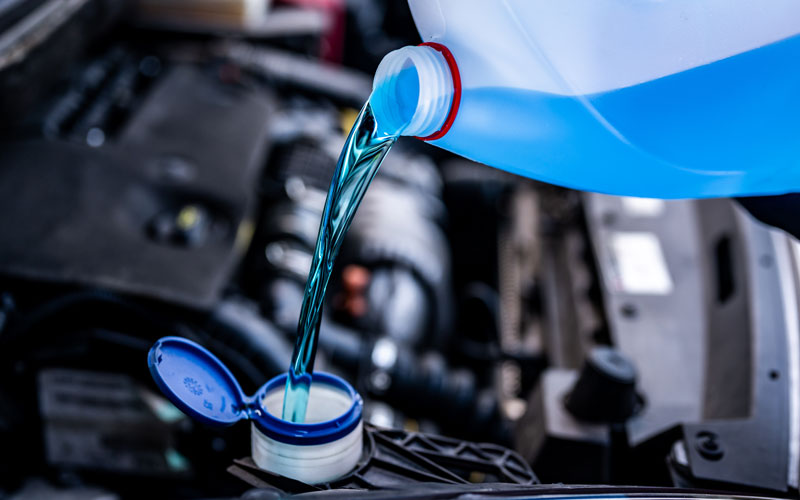
At North Country Chevrolet in Hibbing, MN, we help drivers understand the importance of coolant maintenance and recognize early signs of engine overheating. Whether you drive a Chevrolet Silverado, Equinox, Traverse, Tahoe, or another Chevy model, keeping your cooling system in good condition supports reliable performance throughout every season.
What Is Coolant and Why Does Your Chevrolet Need It?
Coolant, also known as antifreeze, is a fluid designed to help regulate engine temperature. It circulates through the engine and radiator, absorbing excess heat before releasing it through the cooling system.
Without properly maintained coolant, your engine may not be able to manage the heat created during normal operation. This can cause temperatures to rise beyond safe levels.
Coolant helps your Chevrolet by:
- Regulating engine operating temperature
- Preventing overheating during demanding driving conditions
- Protecting against freezing in cold weather
- Reducing corrosion inside the cooling system
- Supporting proper engine performance
Using the correct coolant recommended for your Chevrolet is essential for maintaining the cooling system’s effectiveness.
What Causes an Engine to Overheat?
Engine overheating occurs when the cooling system cannot remove enough heat from the engine. Several issues can contribute to rising temperatures, from low coolant levels to mechanical concerns.
Common causes of engine overheating include:
- Low coolant levels
- Coolant leaks
- A damaged radiator
- A failing thermostat
- A malfunctioning water pump
- A worn radiator hose
- Cooling fan problems
Identifying the cause early can help prevent additional engine damage and keep repair needs from becoming more extensive.
How Do I Know If My Engine Is Overheating?
Your Chevrolet may provide several warning signs when the engine temperature becomes too high. Recognizing these signs allows you to respond quickly and protect your vehicle.
Signs of engine overheating may include:
- Temperature gauge rising into the red zone
- Steam coming from under the hood
- Coolant warning lights appearing on the dashboard
- Reduced engine performance
- A sweet smell from leaking coolant
- Unusual noises from the engine compartment
If you notice these symptoms, safely pull over when possible and allow the engine to cool before attempting any inspection.
What Should You Do If Your Chevrolet Overheats?
An overheating engine requires immediate attention. Continuing to drive while the engine temperature is too high may cause damage to internal components.
If your Chevrolet begins overheating:
- Safely pull over and turn off the engine
- Allow the vehicle to cool before checking under the hood
- Avoid opening the radiator cap while the engine is hot
- Check coolant levels only after the system has cooled
- Schedule an inspection if overheating continues
The cooling system operates under pressure, so opening components while hot can be dangerous. Allowing proper cooling time is an important safety step.
How Often Should You Check Coolant Levels?
Checking coolant levels regularly helps ensure your Chevrolet’s cooling system has enough fluid to operate properly. While coolant does not need to be replaced as frequently as engine oil, it still requires periodic inspection.
Drivers should check coolant:
- Before long road trips
- During routine maintenance visits
- When dashboard warning lights appear
- If they notice signs of a possible leak
Your Chevrolet owner’s manual provides recommended maintenance intervals based on your specific model and engine.
Can Low Coolant Cause Engine Overheating?
Yes, low coolant levels are one of the most common reasons an engine may overheat. When there is not enough coolant circulating through the system, the engine cannot effectively transfer heat away from critical components.
Low coolant may result from:
- Normal fluid loss over time
- Cracked hoses
- Damaged radiator components
- Leaking coolant reservoirs
- Cooling system problems
If your coolant level repeatedly drops, it is important to have your vehicle inspected to identify the source of the issue.
What Type of Coolant Does My Chevrolet Need?
Different Chevrolet models may require specific coolant formulas designed for their engine systems. Using the correct coolant helps maintain proper temperature control and protect internal cooling components.
When selecting coolant:
- Follow Chevrolet manufacturer recommendations
- Check your owner’s manual specifications
- Avoid mixing incompatible coolant types
- Consult a certified technician if you are unsure
The right coolant helps your vehicle handle changing temperatures and everyday driving conditions.
How Does Cold Weather Affect Your Cooling System?
Drivers in Hibbing, MN, experience significant seasonal temperature changes, making proper coolant maintenance especially important. Coolant helps protect your engine from both overheating and freezing conditions.
Cold weather preparation includes:
- Checking coolant levels before winter
- Inspecting hoses and belts
- Following recommended maintenance schedules
- Addressing leaks promptly
A properly maintained cooling system helps your Chevrolet remain dependable during challenging weather conditions.
Why Regular Cooling System Maintenance Matters
Your Chevrolet’s cooling system includes several components that must work together to regulate engine temperature. Routine inspections can help identify worn parts, leaks, or fluid concerns before they affect performance.
Cooling system maintenance may include:
- Coolant level inspections
- Radiator checks
- Hose inspections
- Thermostat evaluations
- Cooling fan testing
Regular service supports long-term engine reliability and helps reduce the risk of unexpected overheating issues.
Chevrolet Cooling System Service at North Country Chevrolet
Coolant maintenance and engine temperature management are essential parts of keeping your Chevrolet performing properly. Understanding warning signs and maintaining your cooling system can help protect your engine through every season.
At North Country Chevrolet in Hibbing, MN, our service team is ready to assist with coolant inspections, cooling system maintenance, and engine service for your Chevrolet. Whether you are experiencing overheating concerns or need routine vehicle care, we provide professional support to help keep your vehicle running smoothly.
Schedule your next service appointment with North Country Chevrolet and keep your Chevrolet prepared for the road ahead.
Connect with us

- 2026
- 2026 Silverado 1500
- 2026 Traverse
- A/C and Heat
- check engine light
- Chevrolet Technology
- Chevrolet Warranty
- Coolant
- differential
- engine belts
- engine overheating
- HIBBING Chevrolet Dealer
- HIBBING Chevrolet Service
- hibbing gmc dealer
- hibbing gmc service
- HIBBING Used Cars
- North Country Chevrolet GMC Service
- north country gmc
- serpentine belt
- Service
- sierra 1500
- sierra 2500
- sierra 3500
- Spark Plugs
- timing belt
- tire care
- Trims